/images/ppid_59c68470-image-17757525314652723.webp)

/images/ppid_59c68470-image-177567507260858689.webp)
What is the story about?
US President Donald Trump may be willing to accept a temporary pause in Iran’s nuclear enrichment programme as a credible exit route from the ongoing West Asia conflict, Eurasia Group's Pramit Pal Chaudhary said in an interview with CNBC-TV18, even as tensions persist despite a fragile ceasefire.
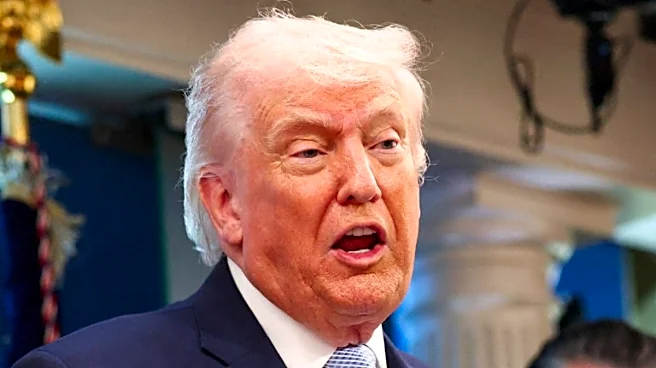
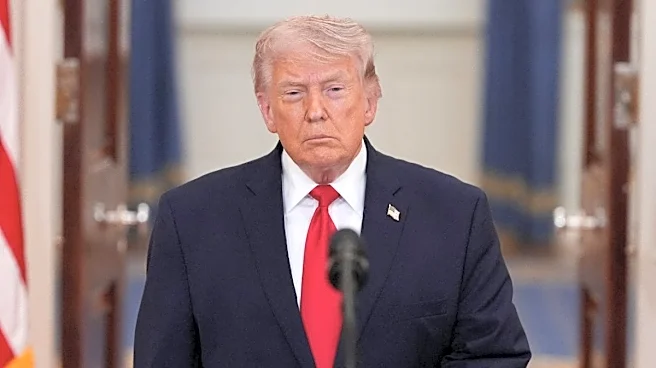
Chaudhary noted that while key differences remain between Washington and Tehran, there is still scope for a tactical compromise. “If Trump, who seems to be looking for an off-ramp out of this war—a credible one—would possibly seize on that and say that is good enough and declare victory,” he said, referring to the possibility of Iran agreeing to halt enrichment for a limited period.
His comments come at a time when the ceasefire between the US and Iran is holding only partially. Chaudhary pointed out that “85% of the ceasefire is actually holding”, particularly the pause in missile and drone exchanges across the Persian Gulf, signalling that both sides may still be inclined to avoid a full-scale escalation.
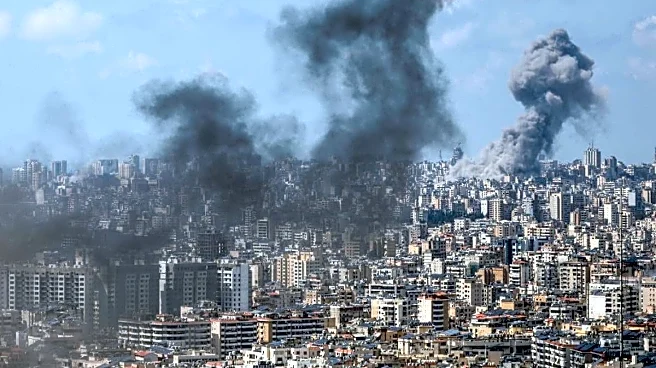
However, several fault lines continue to threaten the truce. The most immediate flashpoint remains Lebanon, where Israeli strikes have intensified, drawing sharp criticism from Tehran. Iran has argued that the attacks violate the understanding of the ceasefire, while the US maintains that operations against Hezbollah were never part of the agreement. The disagreement has already had tangible consequences, with Iran once again restricting movement through the Strait of Hormuz, a critical artery for global oil shipments.
Alongside nuclear concerns, questions over security guarantees and strategic intent continue to loom large. Geo-security expert Anju Gupta said Iran’s position has hardened following the recent escalation, making any broader agreement more difficult. “I think the Iranian position will be much more hardened… they will not do it so easily now,” she said, adding that Tehran’s priority remains preserving its strategic leverage rather than securing formal guarantees.
Gupta also indicated that the ongoing tensions around Lebanon are unlikely to be incidental. “My assessment is that this issue of Iran and Lebanon is deliberate,” she said, suggesting that Tehran may use the situation to exert pressure in negotiations or even reconsider participation in talks if hostilities persist.
Also Read | Iran's nuclear agency chief says its right to enrich uranium is necessary' for US talks
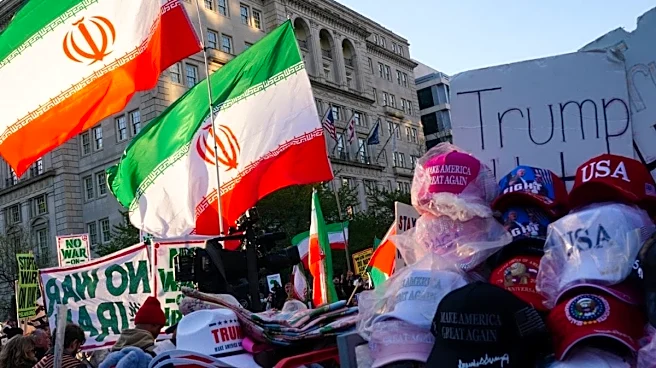
The geopolitical backdrop remains tense. Trump has warned Tehran of potential military action if the ceasefire is not honoured, stating that US forces will remain in position until compliance is ensured. Meanwhile, international pressure is mounting on Israel to halt its offensive in Lebanon, with the Antonio Guterres cautioning that continued strikes could derail the fragile truce.
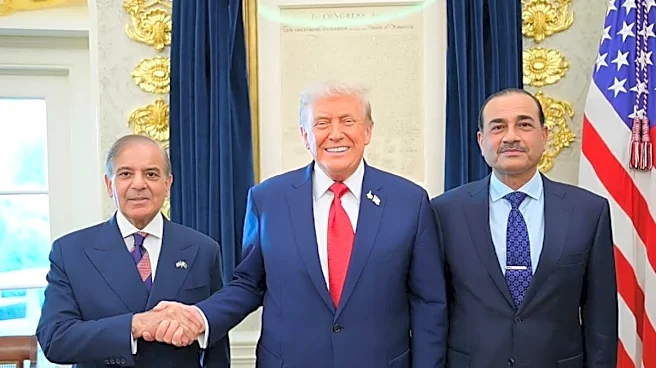
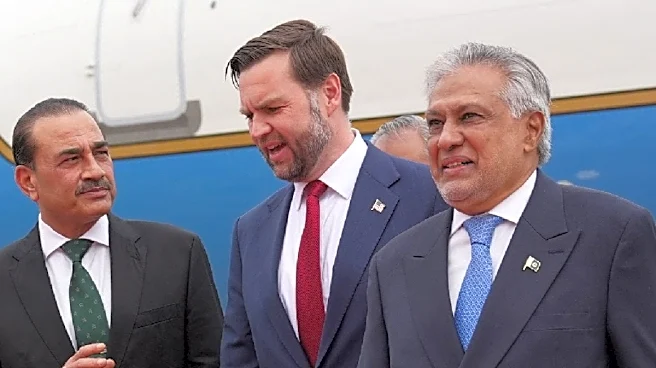
Diplomatic efforts are now centred on upcoming talks in Islamabad, where delegations from both sides are expected to engage over the weekend. While the negotiations are likely to proceed, analysts caution that their success will depend on whether immediate flashpoints—particularly Lebanon and maritime access through the Strait of Hormuz—can be stabilised long enough to build momentum towards a broader agreement.
Chaudhary noted that while key differences remain between Washington and Tehran, there is still scope for a tactical compromise. “If Trump, who seems to be looking for an off-ramp out of this war—a credible one—would possibly seize on that and say that is good enough and declare victory,” he said, referring to the possibility of Iran agreeing to halt enrichment for a limited period.
His comments come at a time when the ceasefire between the US and Iran is holding only partially. Chaudhary pointed out that “85% of the ceasefire is actually holding”, particularly the pause in missile and drone exchanges across the Persian Gulf, signalling that both sides may still be inclined to avoid a full-scale escalation.
However, several fault lines continue to threaten the truce. The most immediate flashpoint remains Lebanon, where Israeli strikes have intensified, drawing sharp criticism from Tehran. Iran has argued that the attacks violate the understanding of the ceasefire, while the US maintains that operations against Hezbollah were never part of the agreement. The disagreement has already had tangible consequences, with Iran once again restricting movement through the Strait of Hormuz, a critical artery for global oil shipments.
Alongside nuclear concerns, questions over security guarantees and strategic intent continue to loom large. Geo-security expert Anju Gupta said Iran’s position has hardened following the recent escalation, making any broader agreement more difficult. “I think the Iranian position will be much more hardened… they will not do it so easily now,” she said, adding that Tehran’s priority remains preserving its strategic leverage rather than securing formal guarantees.
Gupta also indicated that the ongoing tensions around Lebanon are unlikely to be incidental. “My assessment is that this issue of Iran and Lebanon is deliberate,” she said, suggesting that Tehran may use the situation to exert pressure in negotiations or even reconsider participation in talks if hostilities persist.
Also Read | Iran's nuclear agency chief says its right to enrich uranium is necessary' for US talks
The geopolitical backdrop remains tense. Trump has warned Tehran of potential military action if the ceasefire is not honoured, stating that US forces will remain in position until compliance is ensured. Meanwhile, international pressure is mounting on Israel to halt its offensive in Lebanon, with the Antonio Guterres cautioning that continued strikes could derail the fragile truce.
Diplomatic efforts are now centred on upcoming talks in Islamabad, where delegations from both sides are expected to engage over the weekend. While the negotiations are likely to proceed, analysts caution that their success will depend on whether immediate flashpoints—particularly Lebanon and maritime access through the Strait of Hormuz—can be stabilised long enough to build momentum towards a broader agreement.

/images/ppid_59c68470-image-177584505670191727.webp)
/images/ppid_59c68470-image-177587253574223106.webp)
/images/ppid_59c68470-image-177583756539625775.webp)
/images/ppid_59c68470-image-177565753563236458.webp)