/images/ppid_59c68470-image-179068255997928786.webp)


/images/ppid_59c68470-image-179066253749543312.webp)
/images/ppid_59c68470-image-179070506628538037.webp)
What is the story about?
Iran’s rial has fallen to a fresh record low of more than 2.5 million to the US dollar, highlighting the mounting economic pressure on Tehran as the war continues.
The latest fall came just 27 days after the currency touched its previous record low of around 2.2 million rials per dollar on September 2, according to an Associated Press report.
The currency’s decline comes as inflation remains sharply elevated. Iran’s Statistical Centre reported year-on-year inflation of 84.4% in August, while the annual average inflation rate was around 65%.
The weaker rial makes imported goods and other expenses linked to the dollar more expensive, further squeezing households and businesses. The Guardian reported that households have been responding to the loss of purchasing power by cutting back on purchases.
Focus shifts to Strait of Hormuz
The currency crisis comes as Iran and the US continue indirect discussions over a possible reopening of the Strait of Hormuz, one of the world's most important oil-shipping routes.
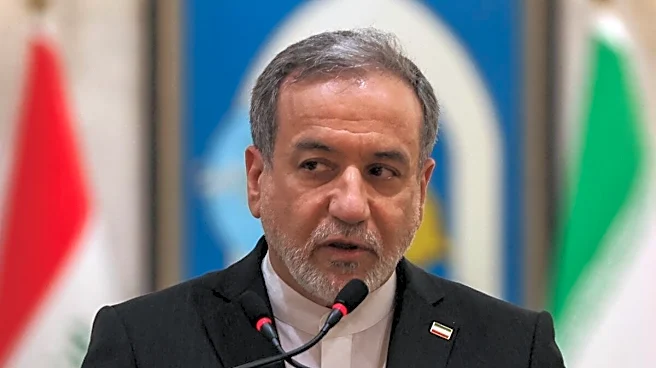
Iranian Foreign Minister Abbas Araghchi said the talks had taken on a more serious form, with Qatari mediators expected to convey Iran's position to Washington and bring back any response to Tehran.
Regional and US officials have also said mediators are working with both sides on a possible agreement to end the fighting and reopen the strait, although major differences remain.
Iran had proposed reopening the strait within seven days if the US lifted its naval blockade of Iranian ports, eased sanctions on Iranian oil sales and observed a ceasefire that would include Lebanon.
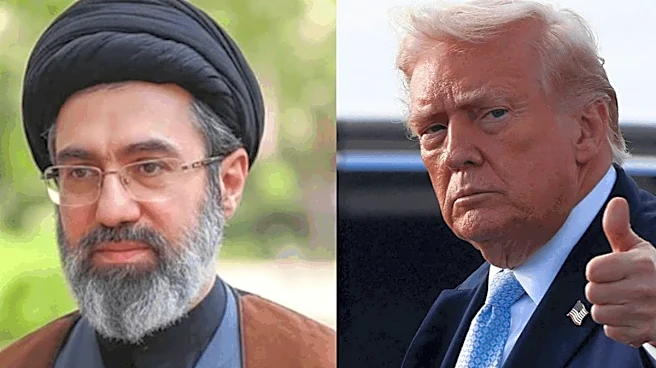
US President Donald Trump rejected that proposal, while indirect discussions have continued through mediators.
Iran and US remain divided
The talks come as both sides remain far apart over the terms of any settlement.
Iranian Revolutionary Guard Corps spokesman Hossein Mohebbi on Tuesday called Trump a “big liar”, accusing him of misleading Americans about Iran's nuclear programme and the effectiveness of Iran's restrictions on Gulf energy shipments, Reuters reported.
Mohebbi said Iran was not seeking nuclear weapons and argued that Washington's dispute with Tehran went beyond its nuclear programme.
Trump and senior US officials, meanwhile, have continued to argue that Iran is under growing economic pressure and that the conflict cannot be sustained indefinitely.
For now, the sharp fall in the rial underlines the economic strain facing Iran even as diplomatic efforts over the Strait of Hormuz continue.
Also Read: Iran's Revolutionary Guards call Trump a 'big liar'
The latest fall came just 27 days after the currency touched its previous record low of around 2.2 million rials per dollar on September 2, according to an Associated Press report.
The currency’s decline comes as inflation remains sharply elevated. Iran’s Statistical Centre reported year-on-year inflation of 84.4% in August, while the annual average inflation rate was around 65%.
The weaker rial makes imported goods and other expenses linked to the dollar more expensive, further squeezing households and businesses. The Guardian reported that households have been responding to the loss of purchasing power by cutting back on purchases.
Focus shifts to Strait of Hormuz
The currency crisis comes as Iran and the US continue indirect discussions over a possible reopening of the Strait of Hormuz, one of the world's most important oil-shipping routes.
Iranian Foreign Minister Abbas Araghchi said the talks had taken on a more serious form, with Qatari mediators expected to convey Iran's position to Washington and bring back any response to Tehran.
Regional and US officials have also said mediators are working with both sides on a possible agreement to end the fighting and reopen the strait, although major differences remain.
Iran had proposed reopening the strait within seven days if the US lifted its naval blockade of Iranian ports, eased sanctions on Iranian oil sales and observed a ceasefire that would include Lebanon.
US President Donald Trump rejected that proposal, while indirect discussions have continued through mediators.
Iran and US remain divided
The talks come as both sides remain far apart over the terms of any settlement.
Iranian Revolutionary Guard Corps spokesman Hossein Mohebbi on Tuesday called Trump a “big liar”, accusing him of misleading Americans about Iran's nuclear programme and the effectiveness of Iran's restrictions on Gulf energy shipments, Reuters reported.
Mohebbi said Iran was not seeking nuclear weapons and argued that Washington's dispute with Tehran went beyond its nuclear programme.
Trump and senior US officials, meanwhile, have continued to argue that Iran is under growing economic pressure and that the conflict cannot be sustained indefinitely.
For now, the sharp fall in the rial underlines the economic strain facing Iran even as diplomatic efforts over the Strait of Hormuz continue.
Also Read: Iran's Revolutionary Guards call Trump a 'big liar'

/images/ppid_59c68470-image-179077003345770941.webp)


/images/ppid_59c68470-image-179074002395889853.webp)


/images/ppid_59c68470-image-179064759405164899.webp)