/images/ppid_59c68470-image-177911502674525655.webp)

/images/ppid_59c68470-image-177884752893939989.webp)
What is the story about?
The standoff between the United States and Iran appears to be nearing a “breaking point”, former Indian diplomat Ashok Sajjanhar told CNBC-TV18, after US President Donald Trump warned Tehran that the “clock is ticking” to reach a peace deal.
Trump’s remarks came amid reports of renewed military planning in Washington and escalating tensions across West Asia following drone strikes near the UAE’s Barakah nuclear facility and fresh threats around the Strait of Hormuz.
“What I feel is that we are coming close to the precipice,” Sajjanhar said in an interview with CNBC-TV18. “Mr Donald Trump has been launching all these threats, and at times people start thinking of it like the young boy crying wolf.”
The former diplomat said Trump may now feel compelled to take a tougher stand after failing to secure Chinese support during his recent visit to Beijing. “I think Trump is also wanting very much to do something so that he can demonstrate to the world that he is still in control, still in authority, and a man of his own word,” he said.
Trump had warned Iran earlier that if it did not move quickly towards a deal, “there won’t be anything left of them.” The US President reportedly spoke with Israeli Prime Minister Benjamin Netanyahu amid speculation over a possible revival of military action against Iran. Reports also suggest Trump could meet senior security advisers to discuss the next steps on Iran.
Iran, however, has maintained that talks with Washington are continuing through Pakistan as a mediator. According to a Reuters report, Pakistan has shared a revised Iranian proposal with the US aimed at ending the conflict.
Sajjanhar said Tehran may be “overplaying its hand” by delaying meaningful commitments on the nuclear issue while using the Strait of Hormuz as leverage. “It seems to be playing along with the United States by dangling the carrot of reopening the Strait of Hormuz,” he said.
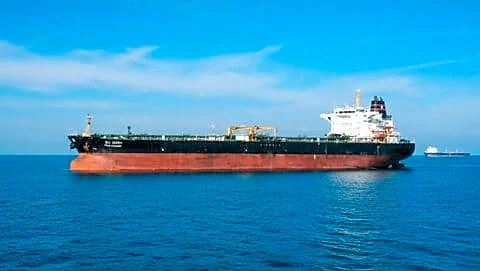
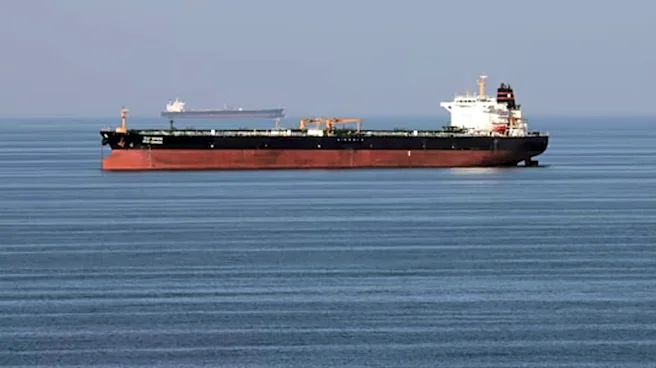
The geopolitical tensions have sharply increased concerns over energy supplies and global trade routes. Brent crude prices have climbed above $110 per barrel amid fears that any disruption in the Strait of Hormuz could impact nearly a fifth of global oil flows.
Anju Gupta, geo-security expert, said the US may struggle to secure a breakthrough with Iran without support from both China and Russia.
“It is my assessment that without Russia and China, the US may not be able to get a good deal from Iran on the nuclear programme,” Gupta said. She added that expectations from Trump’s recent China visit had not materialised. “People were expecting that something important would come out regarding the Strait of Hormuz… It does not appear to have had any impact.”
Gupta also noted that Washington’s attempts to use economic and naval pressure on Iran had yielded limited results so far. “This naval blockade by the US was expected by Trump to become a good leverage point in striking the deals he wanted. But that also has not happened,” she said.
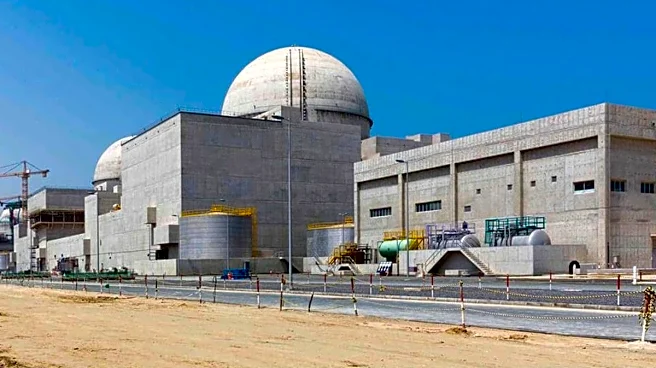
The regional situation worsened after the UAE defence ministry said three drones entered the country from its western border. Two were intercepted, while the third struck a generator facility near the Barakah Nuclear Power Plant in Abu Dhabi, causing a fire. The UAE described the incident as a “dangerous escalation” and blamed Iran or Iran-backed proxies for the strike.
India condemned the attack and called for restraint.
Zeidon Alkinani, Middle East political analyst and founding director of the Arab Perspectives Institute, said the strikes reflected a dangerous shift in the conflict.
“I think Iran is trying to send direct messages to Israel via its attacks against the UAE,” Alkinani said, adding that Tehran views the UAE as part of growing Israeli influence in the Gulf.
He warned that attacks near nuclear-linked infrastructure could trigger wider regional instability. “If they continue to play with the existential security of nations in the region in the same direction they are currently heading, then this could lead to devastating consequences,” he said.
Alkinani added that even after weeks of confrontation, all sides appeared determined to avoid backing down because of domestic political pressures and regional power calculations.
Also Read | Trump says ISIS second in command Abu-Bilal al-Minuki eliminated
The crisis has also exposed divisions within the Gulf region. While the UAE has publicly taken a sharper position against Iran, countries such as Qatar and Kuwait have adopted a more cautious approach, even as they condemned recent drone attacks on Saudi Arabia.
Meanwhile, Iran announced the formation of a new body — the Persian Gulf Strait Authority — to oversee a new “transit mechanism” at the Strait of Hormuz in coordination with Oman. The authority is expected to provide real-time updates through social media platform X.
With military threats intensifying, oil markets on edge, and diplomatic efforts showing little progress, analysts warned that the coming days could prove critical for both the region and the global economy.
Trump’s remarks came amid reports of renewed military planning in Washington and escalating tensions across West Asia following drone strikes near the UAE’s Barakah nuclear facility and fresh threats around the Strait of Hormuz.
“What I feel is that we are coming close to the precipice,” Sajjanhar said in an interview with CNBC-TV18. “Mr Donald Trump has been launching all these threats, and at times people start thinking of it like the young boy crying wolf.”
The former diplomat said Trump may now feel compelled to take a tougher stand after failing to secure Chinese support during his recent visit to Beijing. “I think Trump is also wanting very much to do something so that he can demonstrate to the world that he is still in control, still in authority, and a man of his own word,” he said.
Trump had warned Iran earlier that if it did not move quickly towards a deal, “there won’t be anything left of them.” The US President reportedly spoke with Israeli Prime Minister Benjamin Netanyahu amid speculation over a possible revival of military action against Iran. Reports also suggest Trump could meet senior security advisers to discuss the next steps on Iran.
Iran, however, has maintained that talks with Washington are continuing through Pakistan as a mediator. According to a Reuters report, Pakistan has shared a revised Iranian proposal with the US aimed at ending the conflict.
Sajjanhar said Tehran may be “overplaying its hand” by delaying meaningful commitments on the nuclear issue while using the Strait of Hormuz as leverage. “It seems to be playing along with the United States by dangling the carrot of reopening the Strait of Hormuz,” he said.
The geopolitical tensions have sharply increased concerns over energy supplies and global trade routes. Brent crude prices have climbed above $110 per barrel amid fears that any disruption in the Strait of Hormuz could impact nearly a fifth of global oil flows.
Anju Gupta, geo-security expert, said the US may struggle to secure a breakthrough with Iran without support from both China and Russia.
“It is my assessment that without Russia and China, the US may not be able to get a good deal from Iran on the nuclear programme,” Gupta said. She added that expectations from Trump’s recent China visit had not materialised. “People were expecting that something important would come out regarding the Strait of Hormuz… It does not appear to have had any impact.”
Gupta also noted that Washington’s attempts to use economic and naval pressure on Iran had yielded limited results so far. “This naval blockade by the US was expected by Trump to become a good leverage point in striking the deals he wanted. But that also has not happened,” she said.
The regional situation worsened after the UAE defence ministry said three drones entered the country from its western border. Two were intercepted, while the third struck a generator facility near the Barakah Nuclear Power Plant in Abu Dhabi, causing a fire. The UAE described the incident as a “dangerous escalation” and blamed Iran or Iran-backed proxies for the strike.
India condemned the attack and called for restraint.
Zeidon Alkinani, Middle East political analyst and founding director of the Arab Perspectives Institute, said the strikes reflected a dangerous shift in the conflict.
“I think Iran is trying to send direct messages to Israel via its attacks against the UAE,” Alkinani said, adding that Tehran views the UAE as part of growing Israeli influence in the Gulf.
He warned that attacks near nuclear-linked infrastructure could trigger wider regional instability. “If they continue to play with the existential security of nations in the region in the same direction they are currently heading, then this could lead to devastating consequences,” he said.
Alkinani added that even after weeks of confrontation, all sides appeared determined to avoid backing down because of domestic political pressures and regional power calculations.
Also Read | Trump says ISIS second in command Abu-Bilal al-Minuki eliminated
The crisis has also exposed divisions within the Gulf region. While the UAE has publicly taken a sharper position against Iran, countries such as Qatar and Kuwait have adopted a more cautious approach, even as they condemned recent drone attacks on Saudi Arabia.
Meanwhile, Iran announced the formation of a new body — the Persian Gulf Strait Authority — to oversee a new “transit mechanism” at the Strait of Hormuz in coordination with Oman. The authority is expected to provide real-time updates through social media platform X.
With military threats intensifying, oil markets on edge, and diplomatic efforts showing little progress, analysts warned that the coming days could prove critical for both the region and the global economy.

/images/ppid_a911dc6a-image-177906562777217641.webp)

/images/ppid_59c68470-image-177910752877260544.webp)
/images/ppid_59c68470-image-177908505434630201.webp)
/images/ppid_59c68470-image-1779090061881631.webp)
/images/ppid_59c68470-image-177908752560724982.webp)
/images/ppid_59c68470-image-177906758868418466.webp)
