/images/ppid_59c68470-image-178353752880556171.webp)

/images/ppid_59c68470-image-178330253042980281.webp)
/images/ppid_59c68470-image-178327252647413298.webp)


What is the story about?
The fragile understanding between the United States and Iran has unravelled once again, raising fears of a fresh military confrontation in the Gulf. US President Donald Trump has declared that the ceasefire memorandum of understanding (MOU) is effectively over and warned that Washington could launch fresh strikes on Iran. The renewed hostilities have already rattled global energy markets, with crude oil prices climbing sharply.
Beyond the immediate military exchange, the bigger question for the global economy is whether Iran could retaliate by disrupting shipping through the Strait of Hormuz — the world's most important oil transit chokepoint.
According to geo-economic analyst Ahmad Salehi, that possibility remains Iran's biggest source of leverage if Washington further tightens sanctions on its oil exports.
Why is the Strait of Hormuz so important?
The Strait of Hormuz is a narrow waterway connecting the Persian Gulf with the Gulf of Oman and the Arabian Sea. It serves as the main export route for crude oil and liquefied natural gas produced by Gulf countries including Saudi Arabia, Iraq, Kuwait, the UAE and Qatar.
Any disruption to shipping through the strait immediately raises concerns over global oil supplies, freight costs and energy prices. Even the perception of heightened risk often pushes crude prices higher as traders factor in the possibility of supply disruptions.
That explains why every escalation between Washington and Tehran puts the Strait of Hormuz back in focus.
Why does Iran view the Strait as its strongest bargaining chip?
Following the latest exchange of strikes, the US revoked a temporary sanctions waiver that had allowed Iran to continue limited oil exports.
Salehi argued that if Iran loses the ability to export its own oil by sea, it may choose to deny the same privilege to everyone else.
"Whether Iran is exporting oil or not, no other country would be able to do so either."
He said Iran does not necessarily need to sink ships or inflict widespread damage to make its threat credible.
"When Iran's policy is to manage the Strait of Hormuz, it means that they do not need to fire hundreds of missiles or cause extensive damage," Salehi said. "They just need to make this threat credible."
That strategy relies more on creating uncertainty than causing large-scale destruction, making shipping companies, insurers and energy traders reluctant to operate in the area.
Can sanctions completely isolate Iran?
Salehi believes a total economic blockade would be difficult.
Iran shares land borders with 15 neighbouring countries, giving it multiple trade routes even if maritime exports become more difficult.
"A country with this many neighbours cannot be completely blockaded."
However, he acknowledged that land trade cannot replace oil exports transported by sea. Oil remains Iran's primary source of foreign exchange earnings, making maritime access economically critical.
Could the US sustain a prolonged conflict?
Salehi also questioned whether Washington would be willing to enter a prolonged military campaign.
He argued that US strategic petroleum reserves are significantly lower than they were when the earlier understanding with Iran was reached, reducing America's room to absorb a prolonged disruption to global oil supplies.
He also pointed to President Trump's own earlier comments suggesting that a longer conflict could have severely affected oil availability, arguing that current market conditions make a full-scale war less likely than political rhetoric suggests.
Why are markets reacting so sharply?
Former Indian Ambassador Rajiv Dogra believes the biggest risk for financial markets is uncertainty rather than military action alone.
He argued that conflicting statements from Washington have made it difficult for investors to assess where the situation is headed.
On the one hand, Trump has indicated that negotiations with Iran could continue. On the other, he announced the withdrawal of Iran's oil export waiver while simultaneously warning of fresh military action.
"So what is the market supposed to make of that?" Dogra asked.
"Should oil be priced at X dollars, X plus $10, X minus $10, or somewhere in between?"
According to Dogra, this unpredictability is likely to affect not only crude prices but also inflation, transport costs and industrial planning across the world.
Could the conflict spiral further?
Dogra warned that once military exchanges begin, escalation becomes increasingly difficult to control.
He said wars rarely follow predictable paths and can quickly expand beyond their original objectives through retaliation and counter-retaliation.
"War is a dangerous business. It cannot be controlled by simply switching a light on and off."
While he expressed hope that diplomacy could resume, he cautioned that fresh strikes would make negotiations significantly harder.
How did the latest crisis unfold?
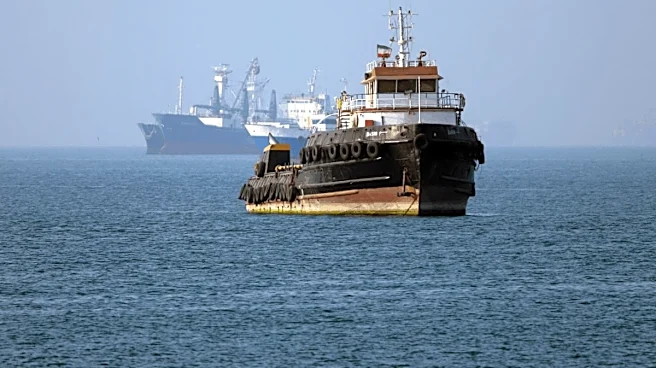
The latest tensions escalated after the US accused Iran of attacking three vessels near the Strait of Hormuz, including a Qatari-flagged LNG tanker. Iran neither confirmed nor denied the allegations.
In response, the US military said it struck more than 80 Iranian targets, including air defence systems, command centres and vessels belonging to the Islamic Revolutionary Guard Corps operating near the Strait.
Washington also revoked Tehran's temporary oil export waiver.
Iran subsequently retaliated by launching attacks targeting Bahrain and Kuwait. Kuwaiti authorities said they intercepted two ballistic missiles and 13 drones without any casualties or significant damage.
What happens next?
Whether Iran actually attempts to disrupt shipping through the Strait of Hormuz remains uncertain. Such a move would carry significant economic and geopolitical risks, not only for the US but also for Gulf producers that depend on the route for energy exports.
However, the latest escalation has once again highlighted why the Strait remains one of the world's most strategically sensitive waterways. As long as sanctions, military action and diplomatic efforts continue to overlap, even the possibility of disruption is likely to keep oil markets on edge.
Beyond the immediate military exchange, the bigger question for the global economy is whether Iran could retaliate by disrupting shipping through the Strait of Hormuz — the world's most important oil transit chokepoint.
According to geo-economic analyst Ahmad Salehi, that possibility remains Iran's biggest source of leverage if Washington further tightens sanctions on its oil exports.
Why is the Strait of Hormuz so important?
The Strait of Hormuz is a narrow waterway connecting the Persian Gulf with the Gulf of Oman and the Arabian Sea. It serves as the main export route for crude oil and liquefied natural gas produced by Gulf countries including Saudi Arabia, Iraq, Kuwait, the UAE and Qatar.
Any disruption to shipping through the strait immediately raises concerns over global oil supplies, freight costs and energy prices. Even the perception of heightened risk often pushes crude prices higher as traders factor in the possibility of supply disruptions.
That explains why every escalation between Washington and Tehran puts the Strait of Hormuz back in focus.
Why does Iran view the Strait as its strongest bargaining chip?
Following the latest exchange of strikes, the US revoked a temporary sanctions waiver that had allowed Iran to continue limited oil exports.
Salehi argued that if Iran loses the ability to export its own oil by sea, it may choose to deny the same privilege to everyone else.
"Whether Iran is exporting oil or not, no other country would be able to do so either."
He said Iran does not necessarily need to sink ships or inflict widespread damage to make its threat credible.
"When Iran's policy is to manage the Strait of Hormuz, it means that they do not need to fire hundreds of missiles or cause extensive damage," Salehi said. "They just need to make this threat credible."
That strategy relies more on creating uncertainty than causing large-scale destruction, making shipping companies, insurers and energy traders reluctant to operate in the area.
Can sanctions completely isolate Iran?
Salehi believes a total economic blockade would be difficult.
Iran shares land borders with 15 neighbouring countries, giving it multiple trade routes even if maritime exports become more difficult.
"A country with this many neighbours cannot be completely blockaded."
However, he acknowledged that land trade cannot replace oil exports transported by sea. Oil remains Iran's primary source of foreign exchange earnings, making maritime access economically critical.
Could the US sustain a prolonged conflict?
Salehi also questioned whether Washington would be willing to enter a prolonged military campaign.
He argued that US strategic petroleum reserves are significantly lower than they were when the earlier understanding with Iran was reached, reducing America's room to absorb a prolonged disruption to global oil supplies.
He also pointed to President Trump's own earlier comments suggesting that a longer conflict could have severely affected oil availability, arguing that current market conditions make a full-scale war less likely than political rhetoric suggests.
Why are markets reacting so sharply?
Former Indian Ambassador Rajiv Dogra believes the biggest risk for financial markets is uncertainty rather than military action alone.
He argued that conflicting statements from Washington have made it difficult for investors to assess where the situation is headed.
On the one hand, Trump has indicated that negotiations with Iran could continue. On the other, he announced the withdrawal of Iran's oil export waiver while simultaneously warning of fresh military action.
"So what is the market supposed to make of that?" Dogra asked.
"Should oil be priced at X dollars, X plus $10, X minus $10, or somewhere in between?"
According to Dogra, this unpredictability is likely to affect not only crude prices but also inflation, transport costs and industrial planning across the world.
Could the conflict spiral further?
Dogra warned that once military exchanges begin, escalation becomes increasingly difficult to control.
He said wars rarely follow predictable paths and can quickly expand beyond their original objectives through retaliation and counter-retaliation.
"War is a dangerous business. It cannot be controlled by simply switching a light on and off."
While he expressed hope that diplomacy could resume, he cautioned that fresh strikes would make negotiations significantly harder.
How did the latest crisis unfold?
The latest tensions escalated after the US accused Iran of attacking three vessels near the Strait of Hormuz, including a Qatari-flagged LNG tanker. Iran neither confirmed nor denied the allegations.
In response, the US military said it struck more than 80 Iranian targets, including air defence systems, command centres and vessels belonging to the Islamic Revolutionary Guard Corps operating near the Strait.
Washington also revoked Tehran's temporary oil export waiver.
Iran subsequently retaliated by launching attacks targeting Bahrain and Kuwait. Kuwaiti authorities said they intercepted two ballistic missiles and 13 drones without any casualties or significant damage.
What happens next?
Whether Iran actually attempts to disrupt shipping through the Strait of Hormuz remains uncertain. Such a move would carry significant economic and geopolitical risks, not only for the US but also for Gulf producers that depend on the route for energy exports.
However, the latest escalation has once again highlighted why the Strait remains one of the world's most strategically sensitive waterways. As long as sanctions, military action and diplomatic efforts continue to overlap, even the possibility of disruption is likely to keep oil markets on edge.
/images/ppid_59c68470-image-178343502388375164.webp)
/images/ppid_59c68470-image-17834875265603670.webp)


/images/ppid_59c68470-image-178350006101535331.webp)
/images/ppid_59c68470-image-178348503083162804.webp)
/images/ppid_a911dc6a-image-178349602190397961.webp)