/images/ppid_59c68470-image-178834002543314395.webp)


/images/ppid_59c68470-image-178826256589492916.webp)
What is the story about?
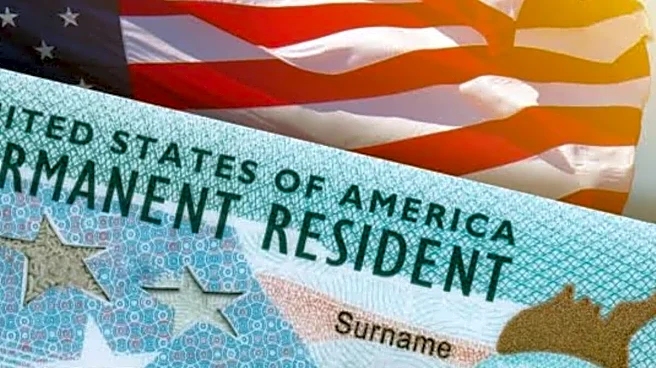
Indian professionals waiting for a US green card may face a wait of up to 179 years, according to a new assessment by the National Foundation for American Policy (NFAP).
The long wait is because of the huge number of people applying for employment-basedgreen cards and limits set by US immigration rules. The estimate is for applicants whose labour certification application or employment-based immigrant petition was filed in January 2026 or later.
According to the NFAP assessment, the employment-based immigration backlog had crossed 1.2 million applicants as of December 2025. Nearly 1 million of them were from India, meaning Indian workers and their family members accounted for about 79% of the total pending backlog.
How long do Indians have to wait?
The wait depends on the employment-based visa category. For an Indian applicant, NFAP estimates a wait of around:
EB-1: 4 to 5 years
EB-2: 179 years
EB-3: 38 years
EB-1 is meant for priority workers, including people with extraordinary ability and certain senior executives and managers. EB-2 generally covers professionals with advanced degrees or exceptional ability and EB-3 covers skilled workers and other professionals.
Waiting period for China and Philippines
For Chinese nationals, NFAP estimates the waiting period at around five years for EB-1, 25 years for EB-2 and seven years for EB-3. Applicants from the Philippines face much shorter waits. The estimated EB-2 wait is around 0.3 years, or only a few months, while EB-3 is estimated at around six years.
Reason for green card limit
One major reason is the US limit onemployment-based green cards. The US has a yearly limit of about 140,000 employment-based green cards. The limit was set by Congress in 1990. There is also a 7% per-country limit. This means a country generally cannot receive more than 7% of the employment-based green cards available in a year.
In FY 2016, the US approved applications covering an estimated 98,594 Indian workers and their dependents under EB-2. But only 4,407 people actually received permanent residence that year. More than 94,000 people were likely added to the waiting queue in that year alone.
In FY 2017, an estimated 84,928 Indians were approved, while only 3,328 received green cards. Around 81,600 people were therefore added to the queue. In FY 2018, an estimated 80,999 Indians were approved, but only 4,527 received permanent residence. This potentially added another 76,472 people to the backlog.
The NFAP estimates that there were around 731,566 Indians in the EB-2 backlog as of December 2025.
The long wait is because of the huge number of people applying for employment-basedgreen cards and limits set by US immigration rules. The estimate is for applicants whose labour certification application or employment-based immigrant petition was filed in January 2026 or later.
According to the NFAP assessment, the employment-based immigration backlog had crossed 1.2 million applicants as of December 2025. Nearly 1 million of them were from India, meaning Indian workers and their family members accounted for about 79% of the total pending backlog.
How long do Indians have to wait?
The wait depends on the employment-based visa category. For an Indian applicant, NFAP estimates a wait of around:
EB-1: 4 to 5 years
EB-2: 179 years
EB-3: 38 years
EB-1 is meant for priority workers, including people with extraordinary ability and certain senior executives and managers. EB-2 generally covers professionals with advanced degrees or exceptional ability and EB-3 covers skilled workers and other professionals.
Waiting period for China and Philippines
For Chinese nationals, NFAP estimates the waiting period at around five years for EB-1, 25 years for EB-2 and seven years for EB-3. Applicants from the Philippines face much shorter waits. The estimated EB-2 wait is around 0.3 years, or only a few months, while EB-3 is estimated at around six years.
Reason for green card limit
One major reason is the US limit onemployment-based green cards. The US has a yearly limit of about 140,000 employment-based green cards. The limit was set by Congress in 1990. There is also a 7% per-country limit. This means a country generally cannot receive more than 7% of the employment-based green cards available in a year.
In FY 2016, the US approved applications covering an estimated 98,594 Indian workers and their dependents under EB-2. But only 4,407 people actually received permanent residence that year. More than 94,000 people were likely added to the waiting queue in that year alone.
In FY 2017, an estimated 84,928 Indians were approved, while only 3,328 received green cards. Around 81,600 people were therefore added to the queue. In FY 2018, an estimated 80,999 Indians were approved, but only 4,527 received permanent residence. This potentially added another 76,472 people to the backlog.
The NFAP estimates that there were around 731,566 Indians in the EB-2 backlog as of December 2025.


/images/ppid_59c68470-image-178826003094981611.webp)