/images/ppid_59c68470-image-177816503533460222.webp)



/images/ppid_a911dc6a-image-177796926164088979.webp)
The head of the World Health Organization (WHO) on Thursday said the public risk from hantavirus remains low, even as global health agencies scramble to contain fears around a rare but deadly outbreak linked to a cruise ship near the Cape Verde Islands.
Dr. Tedros Adhanom Ghebreyesus, Director-General of the WHO, delivered the agency’s first dedicated briefing on the outbreak since it was confirmed earlier this week. He said eight suspected cases have been identified aboard the vessel, including five
confirmed infections. Three people have died so far, while one person remains critically ill.
The outbreak has triggered an international health response, with authorities tracing infections, probing possible transmission routes, and attempting to calm concerns among travellers after passengers from more than 20 countries were left stranded offshore.
The cases were linked to the MV Hondius, a Dutch-flagged expedition cruise ship that was quarantined near the remote island of St. Helena after multiple passengers reported fever, gastrointestinal symptoms, and severe respiratory distress.
WHO officials said the first infected passenger may have contracted the virus before boarding the vessel, though investigations are still underway. The initial case was first reported on April 6.
The ship was carrying 147 passengers and crew members from 23 countries, including four Canadians. However, Global Affairs Canada said no Canadians were directly impacted by the infections.
The vessel is currently en route to Spain’s Canary Islands, where it is expected to dock in the coming days.
Meanwhile, the ship’s operator, Oceanwide Expeditions, said in a statement on Thursday that 30 passengers had disembarked at Saint Helena in the Atlantic Ocean on April 24 before the outbreak was officially reported. Two Canadians were among those passengers.
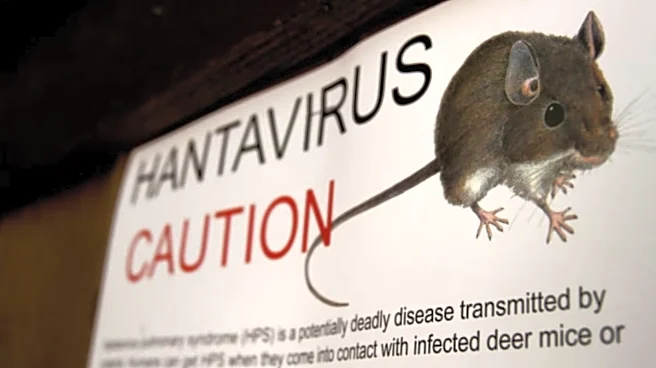
Hantavirus is a rodent-borne virus that can cause severe illness in humans and is primarily transmitted through exposure to infected rodent urine, saliva, or droppings. People are typically infected after inhaling contaminated airborne particles, especially in enclosed spaces.
The virus can trigger serious respiratory and kidney-related illnesses. Early symptoms often resemble the flu, including fever, fatigue, muscle pain, and abdominal discomfort, before rapidly progressing into breathing complications due to fluid buildup in the lungs.
There is currently no specific antiviral treatment for hantavirus infections, with patients primarily receiving supportive care such as oxygen therapy and fluids. However, recovery from the infection is believed to provide long-term immunity.



/images/ppid_59c68470-image-177806756255519502.webp)

/images/ppid_59c68470-image-177798757692680191.webp)
/images/ppid_a911dc6a-image-177812322923178262.webp)

/images/ppid_59c68470-image-177815506000998685.webp)
/images/ppid_a911dc6a-image-177799166720211539.webp)