/images/ppid_59c68470-image-177043504059081661.webp)

/images/ppid_59c68470-image-177021504482551335.webp)
/images/ppid_59c68470-image-177031003782448539.webp)
What is the story about?
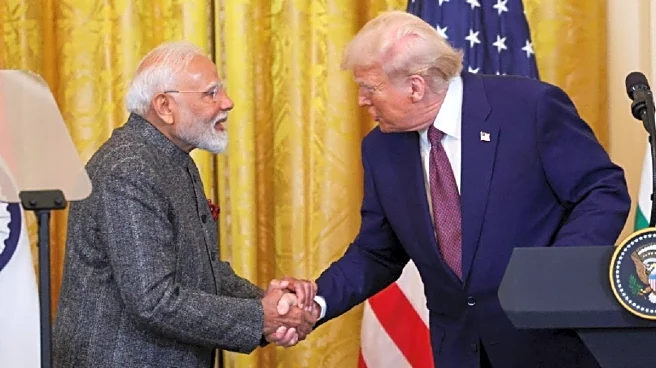
Even as India and the US issue a joint statement on the interim trade agreement, which would bring down the tariff on Indian exports to 18%, the US has left a window open for revision.
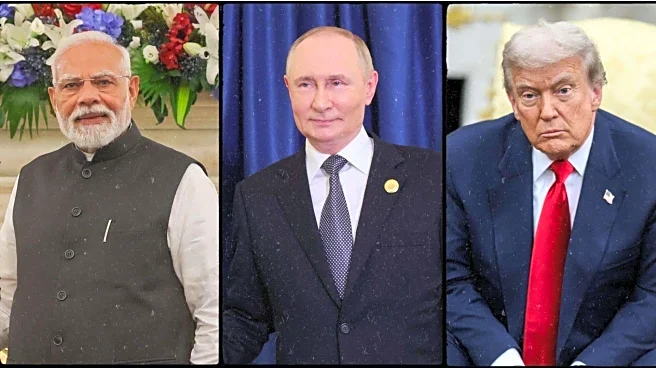
The Donald Trump administration had imposed a 25% additional tariff on Indian goods as a penalty for the South Asian country's continued oil purchases from Russia, sanctioned by the West for invading Ukraine.
Here's what a White House statement said:
"...the Secretary of Commerce deems appropriate, shall monitor whether India resumes directly or indirectly importing Russian Federation oil, as defined in section 7 of Executive Order 14329. If the Secretary of Commerce finds that India has resumed directly or indirectly importing Russian Federation oil, the Secretary of State, in consultation with the Secretary of the Treasury, the Secretary of Commerce, the Secretary of Homeland Security, the United States Trade Representative, the Assistant to the President for National Security Affairs, the Assistant to the President for Economic Policy, and the Assistant to the President and Senior Counselor for Trade and Manufacturing, shall recommend whether and to what extent I should take additional action as to India, including whether I should reimpose the additional ad valorem rate of duty of 25 percent on imports of articles of India."
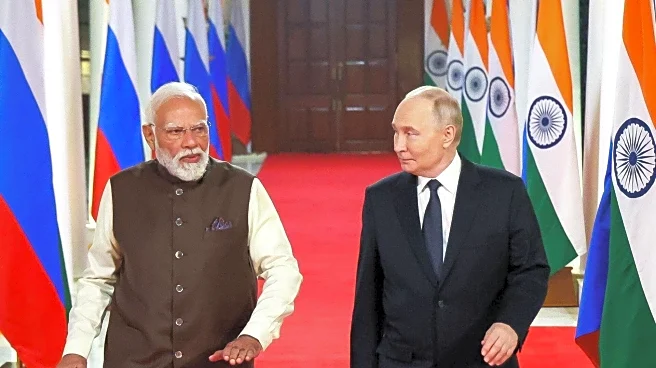
The latest trade pact has been enabled by India scaling down its oil imports, as demanded by the US President looking to bring the war in Ukraine to an end by squeezing Russia's oil revenues.
Russian crude deliveries to India slipped to about 1.12 million barrels a day, down from 1.2 million in December and the lowest level since November 2022, according to vessel-tracking data compiled by Bloomberg.
Meanwhile, India's oil imports from the US increased 31% to $569.3 million in December 2025 compared to a year earlier.
On Feb 5, India’s Ministry of External Affairs (MEA) reiterated that New Delhi remains open to exploring the commercial merits of any new crude supply options, including from Venezuela, as part of its broader strategy to diversify energy sources and secure supplies for 1.4 billion people.
Read more: India-US interim trade agreement: Top highlights
The Donald Trump administration had imposed a 25% additional tariff on Indian goods as a penalty for the South Asian country's continued oil purchases from Russia, sanctioned by the West for invading Ukraine.
Here's what a White House statement said:
"...the Secretary of Commerce deems appropriate, shall monitor whether India resumes directly or indirectly importing Russian Federation oil, as defined in section 7 of Executive Order 14329. If the Secretary of Commerce finds that India has resumed directly or indirectly importing Russian Federation oil, the Secretary of State, in consultation with the Secretary of the Treasury, the Secretary of Commerce, the Secretary of Homeland Security, the United States Trade Representative, the Assistant to the President for National Security Affairs, the Assistant to the President for Economic Policy, and the Assistant to the President and Senior Counselor for Trade and Manufacturing, shall recommend whether and to what extent I should take additional action as to India, including whether I should reimpose the additional ad valorem rate of duty of 25 percent on imports of articles of India."
The latest trade pact has been enabled by India scaling down its oil imports, as demanded by the US President looking to bring the war in Ukraine to an end by squeezing Russia's oil revenues.
Russian crude deliveries to India slipped to about 1.12 million barrels a day, down from 1.2 million in December and the lowest level since November 2022, according to vessel-tracking data compiled by Bloomberg.
Meanwhile, India's oil imports from the US increased 31% to $569.3 million in December 2025 compared to a year earlier.
On Feb 5, India’s Ministry of External Affairs (MEA) reiterated that New Delhi remains open to exploring the commercial merits of any new crude supply options, including from Venezuela, as part of its broader strategy to diversify energy sources and secure supplies for 1.4 billion people.
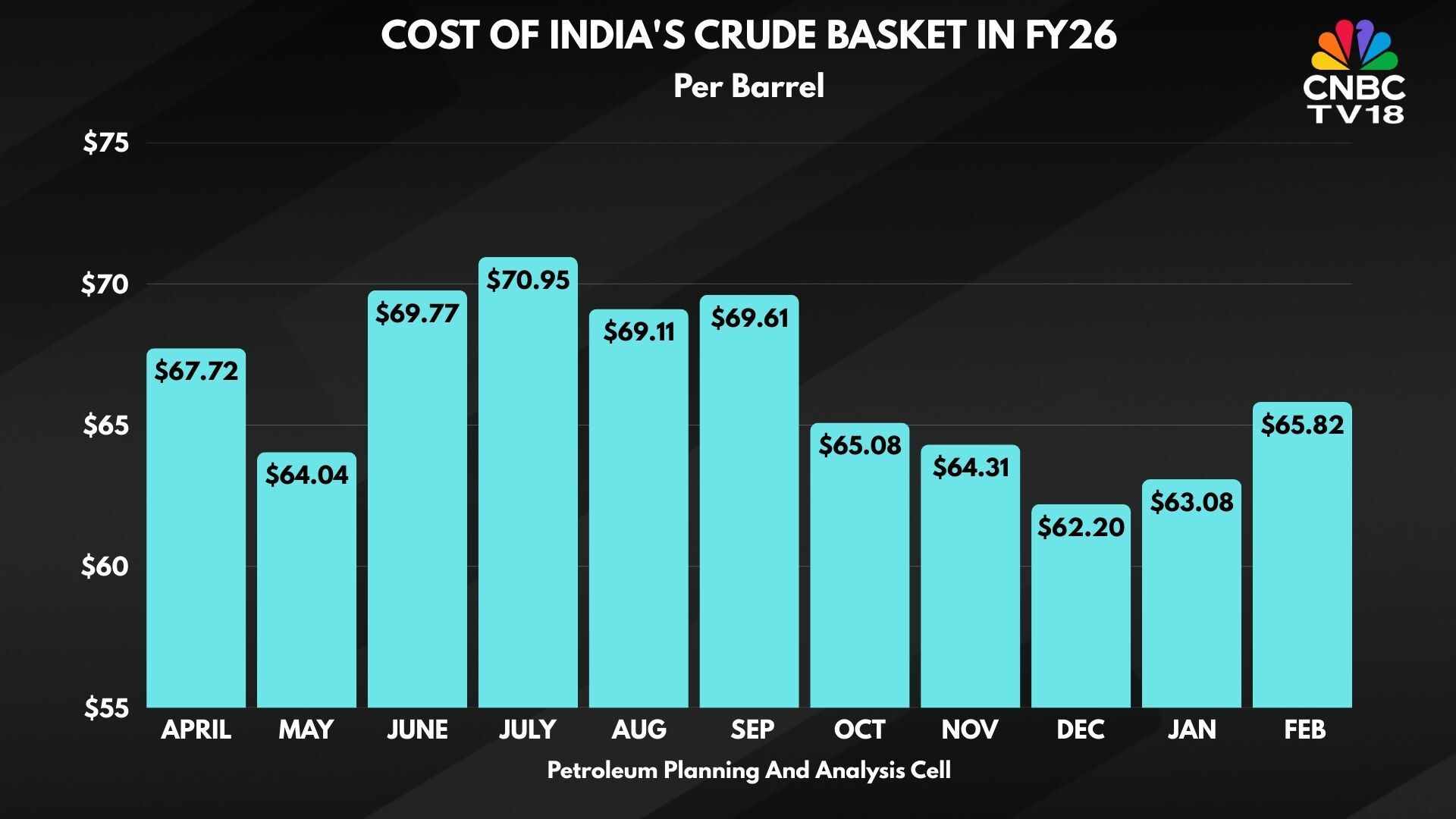
Data as of Feb 3.
Read more: India-US interim trade agreement: Top highlights
/images/ppid_a911dc6a-image-177028283553732627.webp)

/images/ppid_a911dc6a-image-177035565485072664.webp)
/images/ppid_a911dc6a-image-177025422959274212.webp)
/images/ppid_59c68470-image-177029257050620635.webp)
/images/ppid_a911dc6a-image-177027763711887221.webp)


/images/ppid_a911dc6a-image-177028287404729916.webp)