/images/ppid_59c68470-image-17894825283407599.webp)

What is the story about?
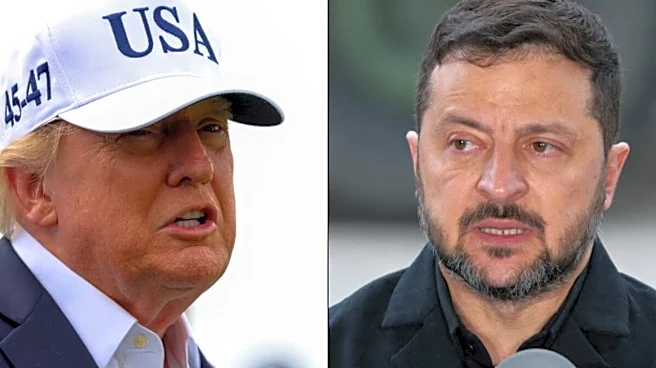
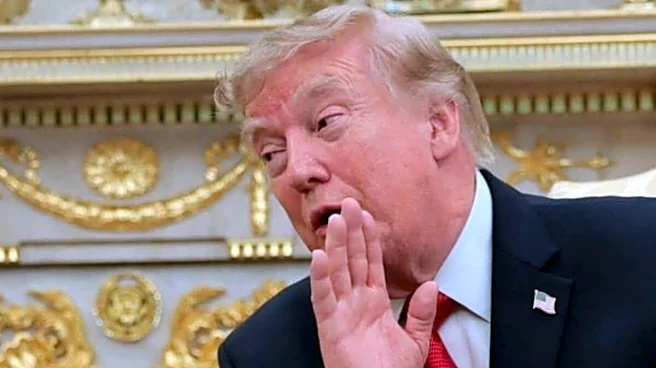
US President Donald Trump's trade policies and approach to international alliances are encouraging countries to diversify their economic and strategic partnerships away from the United States, according to Ian Bremmer, President of Eurasia Group.
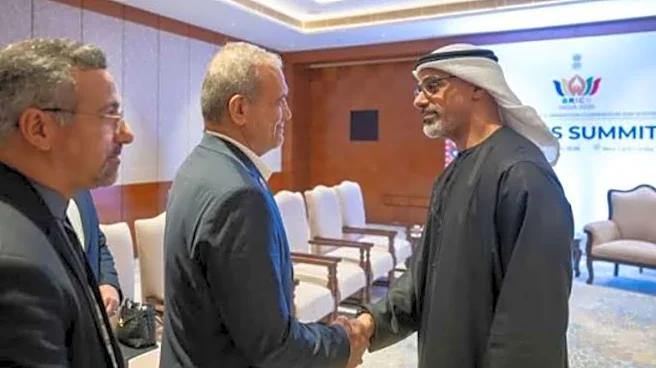
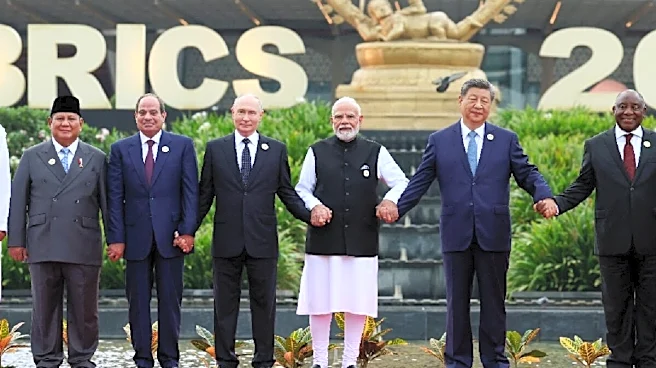
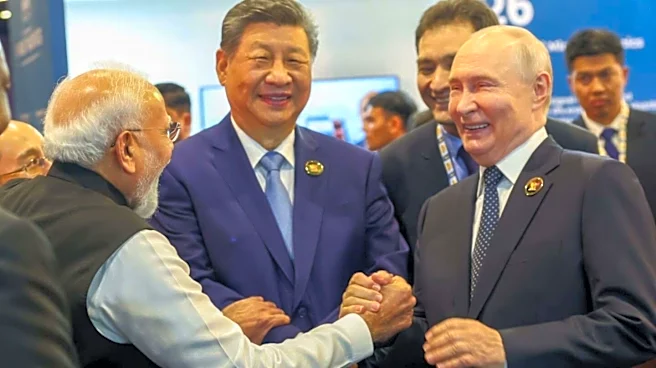
Bremmer said Trump's actions were indirectly strengthening the case for closer cooperation among BRICS countries. He pointed to the growing willingness of nations to explore alternatives in trade and strategic alignment, arguing that this could weaken America's long-term influence.
Bremmer said Trump was contributing to a shift in global trade and diplomatic relationships by pursuing policies that put US interests first. He argued that countries were responding by looking for alternative partnerships and reducing their dependence on Washington.
He cited the EU-Mercosur trade agreement as one example of a development that may not have materialised without tensions created by Trump's policies. He also pointed to stronger cooperation among European countries in support of Ukraine and a greater willingness to reconsider their reliance on American military equipment.
According to Bremmer, these developments could work against US interests over the long term. He said America's global influence depends heavily on its alliances and the role of the US dollar as the world's reserve currency. Policies that weaken those foundations could encourage more countries, including BRICS members, to hedge against US economic and strategic influence.
Bremmer expects Donald Trump to face a major setback in the upcoming US midterm elections, predicting that Republicans will lose the House of Representatives by a substantial margin.
He attributed the outlook to Trump's approval ratings, rising petrol and diesel prices, and persistent inflation, which he believes the administration will struggle to address before the elections. Bremmer said the bigger question was whether Democrats could also take control of the Senate.
While a four-seat swing in favour of the Democrats would be needed, he described the Senate race as close to a toss-up, with the outcome likely to depend on individual contests.
Bremmer dismissed Donald Trump's promise to pay every American adult $5,000 if Republicans win the midterm elections, questioning whether Congress would approve the estimated $1.3 trillion payout. He said the conditions attached to the proposal were unlikely to materialise and suggested that the announcement was not a realistic commitment.
Bremmer reiterated his concerns about artificial intelligence, saying there was still no sign of a meaningful slowdown in the race to develop advanced AI models. He noted that the Trump administration was also pushing for the US to stay ahead of China in AI development, rather than supporting a pause.
However, he said the immediate concern was not the arrival of artificial general intelligence or an existential threat to humanity. Instead, the growing misuse of increasingly powerful AI tools could create serious risks for cybersecurity, the internet, biotechnology, the global economy and national security.
Bremmer also pointed to the lack of effective governance around AI, warning that these underappreciated risks were likely to receive greater attention from governments and the public.
For full interview, watch accompanying video
Bremmer said Trump's actions were indirectly strengthening the case for closer cooperation among BRICS countries. He pointed to the growing willingness of nations to explore alternatives in trade and strategic alignment, arguing that this could weaken America's long-term influence.
Bremmer said Trump was contributing to a shift in global trade and diplomatic relationships by pursuing policies that put US interests first. He argued that countries were responding by looking for alternative partnerships and reducing their dependence on Washington.
He cited the EU-Mercosur trade agreement as one example of a development that may not have materialised without tensions created by Trump's policies. He also pointed to stronger cooperation among European countries in support of Ukraine and a greater willingness to reconsider their reliance on American military equipment.
According to Bremmer, these developments could work against US interests over the long term. He said America's global influence depends heavily on its alliances and the role of the US dollar as the world's reserve currency. Policies that weaken those foundations could encourage more countries, including BRICS members, to hedge against US economic and strategic influence.
Bremmer expects Donald Trump to face a major setback in the upcoming US midterm elections, predicting that Republicans will lose the House of Representatives by a substantial margin.
He attributed the outlook to Trump's approval ratings, rising petrol and diesel prices, and persistent inflation, which he believes the administration will struggle to address before the elections. Bremmer said the bigger question was whether Democrats could also take control of the Senate.
While a four-seat swing in favour of the Democrats would be needed, he described the Senate race as close to a toss-up, with the outcome likely to depend on individual contests.
Bremmer dismissed Donald Trump's promise to pay every American adult $5,000 if Republicans win the midterm elections, questioning whether Congress would approve the estimated $1.3 trillion payout. He said the conditions attached to the proposal were unlikely to materialise and suggested that the announcement was not a realistic commitment.
Bremmer reiterated his concerns about artificial intelligence, saying there was still no sign of a meaningful slowdown in the race to develop advanced AI models. He noted that the Trump administration was also pushing for the US to stay ahead of China in AI development, rather than supporting a pause.
However, he said the immediate concern was not the arrival of artificial general intelligence or an existential threat to humanity. Instead, the growing misuse of increasingly powerful AI tools could create serious risks for cybersecurity, the internet, biotechnology, the global economy and national security.
Bremmer also pointed to the lack of effective governance around AI, warning that these underappreciated risks were likely to receive greater attention from governments and the public.
For full interview, watch accompanying video
/images/ppid_59c68470-image-178945252381765886.webp)


/images/ppid_59c68470-image-178920506833255302.webp)
/images/ppid_59c68470-image-17892100345427432.webp)