/images/ppid_59c68470-image-177558003445838883.webp)




What is the story about?
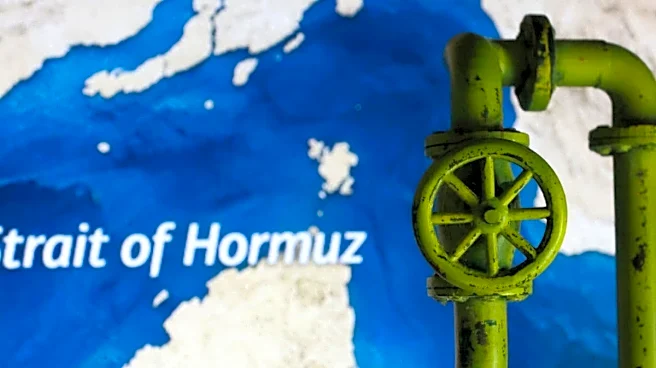
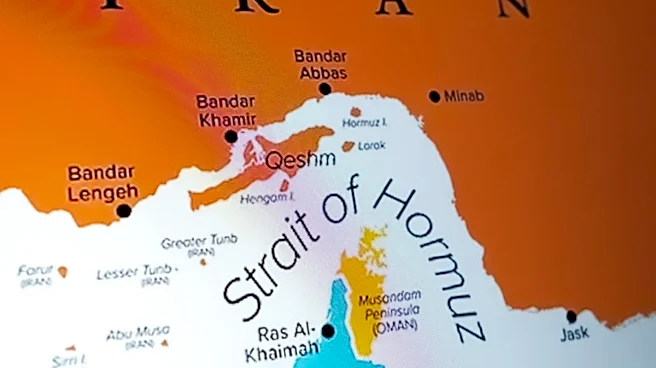
With less than 10 hours to go before Donald Trump’s deadline for reopening the Strait of Hormuz, former Indian Ambassador to the US Meera Shankar said a possible middle ground to ease tensions could depend on assurances around maritime movement through the key chokepoint.
Speaking to CNBC-TV18, Shankar noted that while Washington’s primary objective remains restoring shipping through Hormuz, “a possible middle ground could involve guarantees on maritime movement,” adding that Iran has indicated it could establish protocols to ensure the passage of vessels. She also pointed to the possibility of a humanitarian corridor, similar to arrangements seen in other conflict zones, even as back-channel negotiations continue.
The comments come as the conflict enters day 39, with Trump warning of a “complete demolition” of Iran’s power plants and bridges if the Strait is not reopened by the deadline. Despite the threat, Iran has rejected a 45-day ceasefire proposal and is instead pushing for a permanent cessation of hostilities along with assurances against future attacks and reconstruction of damaged infrastructure.
Hamed Mousavi, Professor of Political Science at the University of Tehran, said the mood within Iran remains resolute despite ongoing airstrikes. “The mood is very defiant… most people have a strong sense of defiance. They do not want the country to back down,” he said, adding that while Iran seeks peace, it is looking for a “permanent ceasefire” rather than a temporary truce.
Mousavi warned that attacks on civilian infrastructure are already underway and could intensify if the deadline is enforced. “They have already started targeting bridges, transport lines, power plants, and petrochemical facilities… these attacks are devastating and will impact ordinary Iranians,” he said.
He added that Tehran has signalled it could retaliate against countries whose territories are used to launch attacks, raising the risk of a broader regional escalation involving Gulf states.
Shankar said Trump appears to be weighing both escalation and de-escalation. “He could either extend the deadline again or escalate further,” she said, cautioning that a deeper military campaign risks drawing the US into a prolonged conflict, something the administration may want to avoid.
Also Read | West Asia war: Trump’s real aim is control over Iran’s energy wealth, not ceasefire, says Brahma Chellaney
She added that while Trump has claimed many of his objectives have already been met, any decision to halt operations would still require credible assurances on Hormuz to justify a strategic win. Without that, she said, it may be difficult to present the outcome as a success.
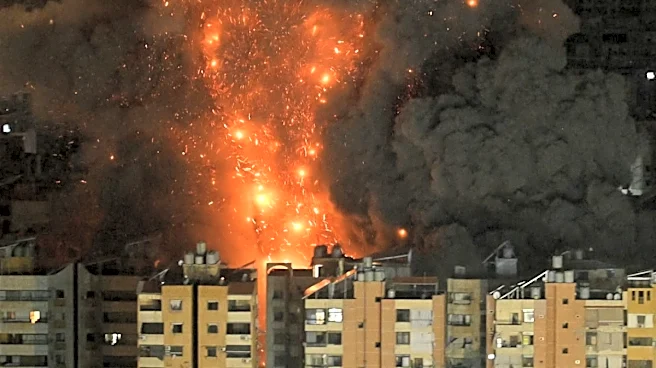
With Israeli strikes expanding to critical infrastructure, including energy assets, and Iran stepping up its rhetoric, the gap between both sides remains wide. However, Shankar noted that the fact Iran has responded through intermediaries indicates “there is still some room for negotiation,” even as the final outcome remains uncertain.
Speaking to CNBC-TV18, Shankar noted that while Washington’s primary objective remains restoring shipping through Hormuz, “a possible middle ground could involve guarantees on maritime movement,” adding that Iran has indicated it could establish protocols to ensure the passage of vessels. She also pointed to the possibility of a humanitarian corridor, similar to arrangements seen in other conflict zones, even as back-channel negotiations continue.
The comments come as the conflict enters day 39, with Trump warning of a “complete demolition” of Iran’s power plants and bridges if the Strait is not reopened by the deadline. Despite the threat, Iran has rejected a 45-day ceasefire proposal and is instead pushing for a permanent cessation of hostilities along with assurances against future attacks and reconstruction of damaged infrastructure.
Hamed Mousavi, Professor of Political Science at the University of Tehran, said the mood within Iran remains resolute despite ongoing airstrikes. “The mood is very defiant… most people have a strong sense of defiance. They do not want the country to back down,” he said, adding that while Iran seeks peace, it is looking for a “permanent ceasefire” rather than a temporary truce.
Mousavi warned that attacks on civilian infrastructure are already underway and could intensify if the deadline is enforced. “They have already started targeting bridges, transport lines, power plants, and petrochemical facilities… these attacks are devastating and will impact ordinary Iranians,” he said.
He added that Tehran has signalled it could retaliate against countries whose territories are used to launch attacks, raising the risk of a broader regional escalation involving Gulf states.
Shankar said Trump appears to be weighing both escalation and de-escalation. “He could either extend the deadline again or escalate further,” she said, cautioning that a deeper military campaign risks drawing the US into a prolonged conflict, something the administration may want to avoid.
Also Read | West Asia war: Trump’s real aim is control over Iran’s energy wealth, not ceasefire, says Brahma Chellaney
She added that while Trump has claimed many of his objectives have already been met, any decision to halt operations would still require credible assurances on Hormuz to justify a strategic win. Without that, she said, it may be difficult to present the outcome as a success.
With Israeli strikes expanding to critical infrastructure, including energy assets, and Iran stepping up its rhetoric, the gap between both sides remains wide. However, Shankar noted that the fact Iran has responded through intermediaries indicates “there is still some room for negotiation,” even as the final outcome remains uncertain.


/images/ppid_59c68470-image-177546252996877041.webp)
/images/ppid_a911dc6a-image-177552963554321784.webp)

/images/ppid_59c68470-image-177544505096960118.webp)