



What is the story about?
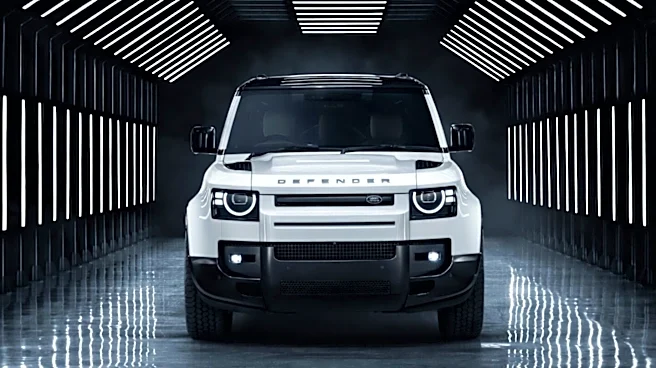
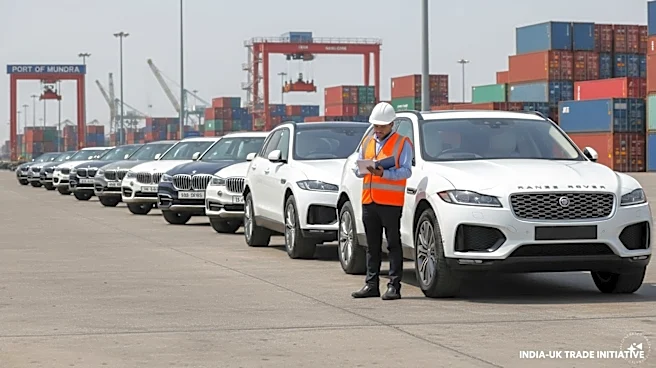
The 642 vehicles approved for import from the United Kingdom (UK) into India at concessional customs duty under the India-UK Comprehensive Economic and Trade Agreement (CETA) include models from JLR, BMW, Skoda and others.
Government sources said eight companies have already received approval to import 642 vehicles from the UK to India at lower tariffs. They added that more than 4,200 vehicles could have been imported in the current calendar year under the trade pact.
CETA allows up to 10,480 UK-origin conventional-engine vehicles to be imported into India at concessional customs duty in calendar year 2026. However, since the agreement came into force on July 15, the quota will be applied on a pro-rata basis for the current financial year.
India-UK TRQ allocation for CY 2026
How the 2026 quota is structured
The 10,480-vehicle tariff rate quota (TRQ) for calendar year 2026 is divided across different engine and vehicle categories.
This includes 2,329 completely built units (CBUs) with engine capacities below 1,500cc. Another 2,329 CBUs are earmarked for petrol vehicles with engine capacities between 1,500cc and 3,000cc, and diesel vehicles with engine capacities between 1,500cc and 2,500cc.
The largest allocation, of 4,658 CBUs, is for petrol vehicles with engine capacities above 3,000cc and diesel vehicles with engine capacities above 2,500cc.
The quota also includes 1,164 motor vehicles for the transport of goods, excluding electric and hydrogen fuel vehicles.
Lower duties could bring more British cars to India
The allocation marks an important step towards opening the Indian market to more UK-origin vehicles at lower import duties.
Under CETA, India has agreed to gradually reduce customs duty on 3.78 lakh conventional-engine passenger cars imported from the UK over 15 years. The duty will eventually fall from the current 110% to 10% for vehicles imported within the permitted quota.
The agreement could lower the landed cost of cars sold by British marques, including Aston Martin, Bentley, Jaguar Land Rover, McLaren and Rolls-Royce.
The passenger-car quota will increase during the first five years of the agreement before gradually declining over the remaining period. From the 15th year, all eligible CBU internal combustion engine (ICE) passenger cars imported within the quota will attract a 10% customs duty.
CETA also provides for a separate quota of 2,500 CBU commercial vehicles for goods transport in the first year.
Premium EV, hybrid and hydrogen cars get a separate quota
A separate TRQ for higher-priced electric, hybrid and hydrogen vehicles will come into effect from the sixth year of the agreement and will be linked to the vehicle's cost, insurance and freight (CIF) value.
For vehicles priced between £40,000 and £80,000, a quota of 400 units will attract a 50% duty. Vehicles priced above £80,000 will have a quota of 4,000 units and attract a 40% duty.
These duties will eventually fall to 10% by the 10th year of the agreement.
The combined quota for these higher-priced vehicles will rise from 4,400 units in the sixth year to 22,000 units from the 15th year.
The latest approvals follow the government's move towards operationalising the TRQ mechanism under CETA. The first set of clearances allows eligible companies to begin importing UK-origin vehicles into India under the concessional-duty framework.
Government sources said eight companies have already received approval to import 642 vehicles from the UK to India at lower tariffs. They added that more than 4,200 vehicles could have been imported in the current calendar year under the trade pact.
CETA allows up to 10,480 UK-origin conventional-engine vehicles to be imported into India at concessional customs duty in calendar year 2026. However, since the agreement came into force on July 15, the quota will be applied on a pro-rata basis for the current financial year.
India-UK TRQ allocation for CY 2026
| Company name | Number of cars allocated |
|---|---|
| Jaguar Land Rover India Limited (two applications) | 325 |
| BMW India Private Limited | 75 |
| Infinity Cars Private Limited | 30 |
| K.U.N. Motor Company Private Limited | 60 |
| Select Cars Private Limited | 77 |
| Skoda Auto Volkswagen India Private Limited (two applications) | 75 |
How the 2026 quota is structured
The 10,480-vehicle tariff rate quota (TRQ) for calendar year 2026 is divided across different engine and vehicle categories.
This includes 2,329 completely built units (CBUs) with engine capacities below 1,500cc. Another 2,329 CBUs are earmarked for petrol vehicles with engine capacities between 1,500cc and 3,000cc, and diesel vehicles with engine capacities between 1,500cc and 2,500cc.
The largest allocation, of 4,658 CBUs, is for petrol vehicles with engine capacities above 3,000cc and diesel vehicles with engine capacities above 2,500cc.
The quota also includes 1,164 motor vehicles for the transport of goods, excluding electric and hydrogen fuel vehicles.
Lower duties could bring more British cars to India
The allocation marks an important step towards opening the Indian market to more UK-origin vehicles at lower import duties.
Under CETA, India has agreed to gradually reduce customs duty on 3.78 lakh conventional-engine passenger cars imported from the UK over 15 years. The duty will eventually fall from the current 110% to 10% for vehicles imported within the permitted quota.
The agreement could lower the landed cost of cars sold by British marques, including Aston Martin, Bentley, Jaguar Land Rover, McLaren and Rolls-Royce.
The passenger-car quota will increase during the first five years of the agreement before gradually declining over the remaining period. From the 15th year, all eligible CBU internal combustion engine (ICE) passenger cars imported within the quota will attract a 10% customs duty.
CETA also provides for a separate quota of 2,500 CBU commercial vehicles for goods transport in the first year.
Premium EV, hybrid and hydrogen cars get a separate quota
A separate TRQ for higher-priced electric, hybrid and hydrogen vehicles will come into effect from the sixth year of the agreement and will be linked to the vehicle's cost, insurance and freight (CIF) value.
For vehicles priced between £40,000 and £80,000, a quota of 400 units will attract a 50% duty. Vehicles priced above £80,000 will have a quota of 4,000 units and attract a 40% duty.
These duties will eventually fall to 10% by the 10th year of the agreement.
The combined quota for these higher-priced vehicles will rise from 4,400 units in the sixth year to 22,000 units from the 15th year.
The latest approvals follow the government's move towards operationalising the TRQ mechanism under CETA. The first set of clearances allows eligible companies to begin importing UK-origin vehicles into India under the concessional-duty framework.