/images/ppid_59c68470-image-177946002860626464.webp)

/images/ppid_a911dc6a-image-177923982802325954.webp)
What is the story about?
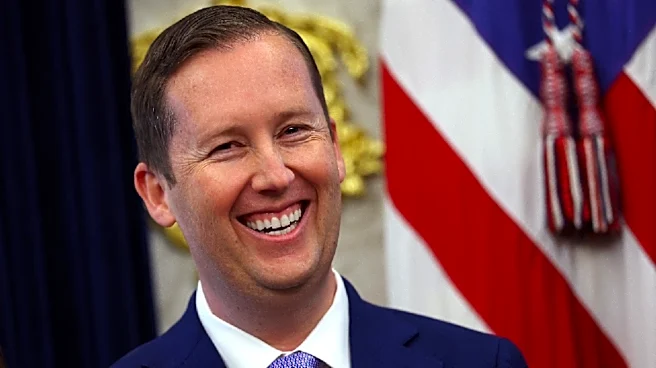
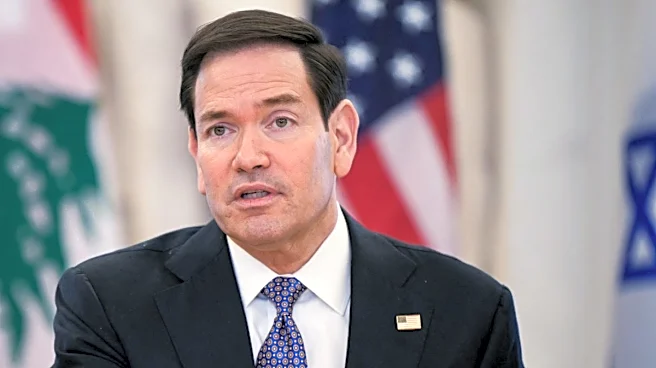
US Secretary of State Marco Rubio is heading to India at a critical juncture in New Delhi-Washington relations — with trade negotiations, energy security concerns and strategic uncertainty around the Quad all converging ahead of his four-day visit.
Rubio is scheduled to land in Kolkata tomorrow, May 23 and proceed onward to New Delhi. His visit, which follows the NATO foreign ministers’ meeting in Sweden and comes shortly after the China trip, is being seen by diplomats and strategic experts as an opportunity to reset relations that have faced turbulence in recent months.
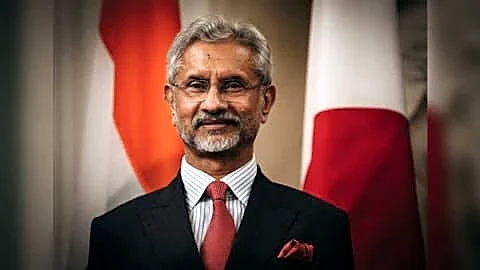
Former diplomat Achal Malhotra said the visit’s “first and foremost” objective would be to “repair and mend ties between India and the US.”
According to Malhotra, relations between the two countries deteriorated after US President Donald Trump imposed steep tariffs and made repeated claims about his role in easing tensions between India and Pakistan during recent military operations.
“In short, relations between India and the US today are not what they were at the time President Trump took over,” Malhotra said in an interview with CNBC-TV18. “Over the last 20–25 years, we have painstakingly built up this relationship, and it culminated in a comprehensive global strategic partnership.”
Rubio is expected to hold discussions with Indian officials on energy security, trade and defence cooperation, before attending the Quad foreign ministers’ meeting in New Delhi on May 26.
Trade negotiations are expected to be a key focus area, especially as India and the US move closer towards an interim agreement. US Ambassador to India Sergio Gor recently said Washington would send another delegation to New Delhi in June, adding that an interim arrangement could be finalised within weeks.
Former diplomat Sanjeev Yadav described the visit as “an opportunity to reset the relationship, as opposed to repair it.”
Yadav linked the improving atmosphere partly to the recent legal developments involving Gautam Adani and the Adani Group. The US Department of Justice recently dropped criminal fraud charges against Adani and some executives after the group agreed to settle a separate civil investigation.
“We’ve seen the inflection point that we are at right now with the recent legal victory for the Adani Group,” Yadav said, adding that the conglomerate’s planned investments in energy and infrastructure could help rebuild confidence between the two countries.
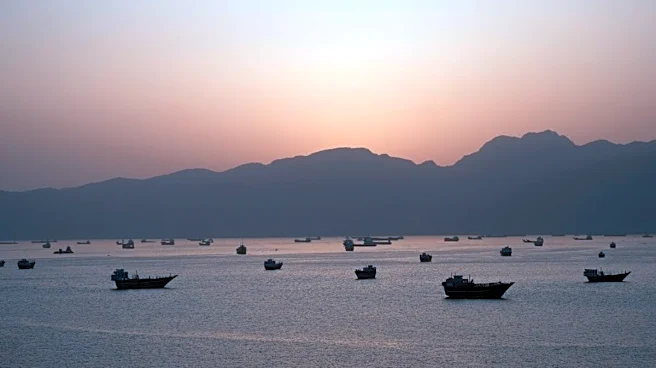
Energy security is expected to dominate Rubio’s discussions in India as geopolitical tensions in West Asia continue to disrupt global supply chains.
Ahead of the visit, Rubio said Washington was willing to sell India “as much” oil as it wanted to buy. He also indicated that Venezuelan Vice President Delcy Rodríguez may travel to India next week for talks on oil supplies.
India has sharply increased imports of Venezuelan crude in recent months and was the country’s third-largest buyer last month.
Energy expert Narendra Taneja said Indian refiners were already well acquainted with Venezuelan crude.
“India does not look at the nationality of crude oil; it only looks at economics,” Taneja told CNBC-TV18. “Indian refiners do not look at the nationality or colour of the molecule.”
He said Indian companies were looking for stable alternative energy sources as nearly half of oil supplies from the Gulf faced disruptions linked to tensions around the Strait of Hormuz.
Yadav argued that the United States could emerge as a “stable, low-geopolitical-risk provider” of LNG, oil and gas to India, especially amid continuing uncertainty in West Asia.
“If I’m India, I’m looking to secure India’s energy future going forward with a steady stream of LNG supplies and oil and gas deals with the US and Venezuela,” he said.
The growing energy partnership may also extend into nuclear cooperation. Taneja said recent policy measures, including the Shanti Act, could make India more attractive for American nuclear technology providers and small modular reactor developers.
A delegation from the US Nuclear Energy Institute recently visited India for discussions with Indian officials and industry executives. Yadav said the visit reflected growing American interest in being a part of India’s long-term nuclear expansion plans.
The broader strategic significance of Rubio’s visit also lies in the future of the Quad grouping involving India, the US, Japan and Australia.
Questions over the relevance of the Quad have intensified after Trump’s recent engagement with China and efforts by Washington and Beijing to improve ties despite disagreements over trade, Taiwan and artificial intelligence.
However, Yadav argued that the grouping had become “more important now than ever in a post-Iran world order.”
“What the Quad can really do going forward is serve as a stabilising force of four democratic nations to provide economic, energy and maritime security in the Indo-Pacific,” he said.
Malhotra, meanwhile, said India was unlikely to directly mediate in regional conflicts involving Iran despite calls from some global leaders for New Delhi to play a larger diplomatic role.
ALSO READ | US seeks to expand energy exports to India, says Marco Rubio
“I think there is a calculated and considered decision on the part of the Government of India not to get directly involved in these disputes,” he said.
Rubio’s India trip comes at a delicate moment for Washington’s global diplomacy. At the NATO foreign ministers’ meeting in Sweden, he reiterated Trump’s criticism of NATO’s handling of the Iran conflict, even as the US administration simultaneously sought closer energy and trade arrangements with India and China.
For New Delhi, analysts believe the visit could help stabilise relations with Washington after months of friction, while opening the door to deeper cooperation on trade, energy and strategic security.
Rubio is scheduled to land in Kolkata tomorrow, May 23 and proceed onward to New Delhi. His visit, which follows the NATO foreign ministers’ meeting in Sweden and comes shortly after the China trip, is being seen by diplomats and strategic experts as an opportunity to reset relations that have faced turbulence in recent months.
Former diplomat Achal Malhotra said the visit’s “first and foremost” objective would be to “repair and mend ties between India and the US.”
According to Malhotra, relations between the two countries deteriorated after US President Donald Trump imposed steep tariffs and made repeated claims about his role in easing tensions between India and Pakistan during recent military operations.
“In short, relations between India and the US today are not what they were at the time President Trump took over,” Malhotra said in an interview with CNBC-TV18. “Over the last 20–25 years, we have painstakingly built up this relationship, and it culminated in a comprehensive global strategic partnership.”
Rubio is expected to hold discussions with Indian officials on energy security, trade and defence cooperation, before attending the Quad foreign ministers’ meeting in New Delhi on May 26.
Trade negotiations are expected to be a key focus area, especially as India and the US move closer towards an interim agreement. US Ambassador to India Sergio Gor recently said Washington would send another delegation to New Delhi in June, adding that an interim arrangement could be finalised within weeks.
Former diplomat Sanjeev Yadav described the visit as “an opportunity to reset the relationship, as opposed to repair it.”
Yadav linked the improving atmosphere partly to the recent legal developments involving Gautam Adani and the Adani Group. The US Department of Justice recently dropped criminal fraud charges against Adani and some executives after the group agreed to settle a separate civil investigation.
“We’ve seen the inflection point that we are at right now with the recent legal victory for the Adani Group,” Yadav said, adding that the conglomerate’s planned investments in energy and infrastructure could help rebuild confidence between the two countries.
Energy security is expected to dominate Rubio’s discussions in India as geopolitical tensions in West Asia continue to disrupt global supply chains.
Ahead of the visit, Rubio said Washington was willing to sell India “as much” oil as it wanted to buy. He also indicated that Venezuelan Vice President Delcy Rodríguez may travel to India next week for talks on oil supplies.
India has sharply increased imports of Venezuelan crude in recent months and was the country’s third-largest buyer last month.
Energy expert Narendra Taneja said Indian refiners were already well acquainted with Venezuelan crude.
“India does not look at the nationality of crude oil; it only looks at economics,” Taneja told CNBC-TV18. “Indian refiners do not look at the nationality or colour of the molecule.”
He said Indian companies were looking for stable alternative energy sources as nearly half of oil supplies from the Gulf faced disruptions linked to tensions around the Strait of Hormuz.
Yadav argued that the United States could emerge as a “stable, low-geopolitical-risk provider” of LNG, oil and gas to India, especially amid continuing uncertainty in West Asia.
“If I’m India, I’m looking to secure India’s energy future going forward with a steady stream of LNG supplies and oil and gas deals with the US and Venezuela,” he said.
The growing energy partnership may also extend into nuclear cooperation. Taneja said recent policy measures, including the Shanti Act, could make India more attractive for American nuclear technology providers and small modular reactor developers.
A delegation from the US Nuclear Energy Institute recently visited India for discussions with Indian officials and industry executives. Yadav said the visit reflected growing American interest in being a part of India’s long-term nuclear expansion plans.
The broader strategic significance of Rubio’s visit also lies in the future of the Quad grouping involving India, the US, Japan and Australia.
Questions over the relevance of the Quad have intensified after Trump’s recent engagement with China and efforts by Washington and Beijing to improve ties despite disagreements over trade, Taiwan and artificial intelligence.
However, Yadav argued that the grouping had become “more important now than ever in a post-Iran world order.”
“What the Quad can really do going forward is serve as a stabilising force of four democratic nations to provide economic, energy and maritime security in the Indo-Pacific,” he said.
Malhotra, meanwhile, said India was unlikely to directly mediate in regional conflicts involving Iran despite calls from some global leaders for New Delhi to play a larger diplomatic role.
ALSO READ | US seeks to expand energy exports to India, says Marco Rubio
“I think there is a calculated and considered decision on the part of the Government of India not to get directly involved in these disputes,” he said.
Rubio’s India trip comes at a delicate moment for Washington’s global diplomacy. At the NATO foreign ministers’ meeting in Sweden, he reiterated Trump’s criticism of NATO’s handling of the Iran conflict, even as the US administration simultaneously sought closer energy and trade arrangements with India and China.
For New Delhi, analysts believe the visit could help stabilise relations with Washington after months of friction, while opening the door to deeper cooperation on trade, energy and strategic security.

/images/ppid_59c68470-image-177945754005741514.webp)
/images/ppid_a911dc6a-image-177939322351855574.webp)


/images/ppid_59c68470-image-177943255742736214.webp)
/images/ppid_59c68470-image-177942253829752922.webp)