/images/ppid_59c68470-image-177851259135656526.webp)


/images/ppid_a911dc6a-image-177831686119027449.webp)
/images/ppid_59c68470-image-17784651129486312.webp)
What is the story about?
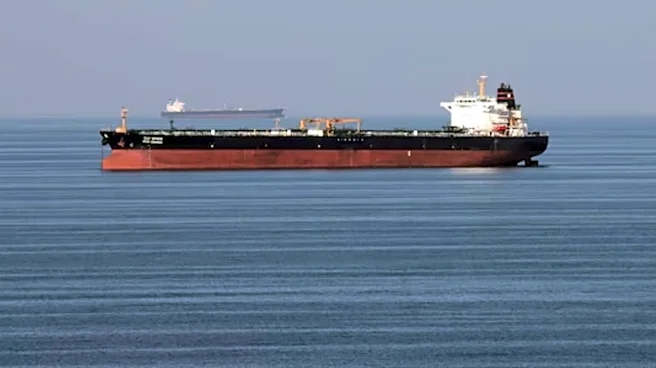
Global oil markets are losing 100 million barrels every week the Strait of Hormuz is shut, compounding a supply shortage that has already made the Middle East war the most significant supply disruption ever, according to the head of Saudi Arabia’s state oil producer.
That shortfall in supply is being met by companies and governments dipping into storage, with global stockpiles running dangerously low, Saudi Aramco Chief Executive Officer Amin Nasser said on a conference call with analysts. Most of the world’s spare oil production capacity is located in the Persian Gulf, meaning it’s not available to help address the shortfall, he said.
The comments highlight the deepening risk that surging energy prices could drag down global growth, with the conflict in the Middle East now into its third month. The US and Iran rejected each other’s latest overtures at jump-starting negotiations aimed at opening flows through Hormuz.
With no resolution of the Iranian or US blockades around the strait in sight, oil jumped and traded above $100 a barrel on Monday. That’s still off the highs seen earlier in the war. The ability to draw down inventories has masked how tight the global market actually is, Nasser said, adding that he sees a disconnect between prices at which oil is trading in futures markets compared with physical barrels.
A lack of investment in production outside of the Middle East has left markets poorly prepared for such a supply shock, Nasser said. The supply shortfall will become even more apparent in May and June, and, if the crisis continues, rebalancing oil markets will take into next year, he cautioned.
Also Read: Why PM Modi wants Indians to avoid buying gold for a year
That shortfall in supply is being met by companies and governments dipping into storage, with global stockpiles running dangerously low, Saudi Aramco Chief Executive Officer Amin Nasser said on a conference call with analysts. Most of the world’s spare oil production capacity is located in the Persian Gulf, meaning it’s not available to help address the shortfall, he said.
The comments highlight the deepening risk that surging energy prices could drag down global growth, with the conflict in the Middle East now into its third month. The US and Iran rejected each other’s latest overtures at jump-starting negotiations aimed at opening flows through Hormuz.
With no resolution of the Iranian or US blockades around the strait in sight, oil jumped and traded above $100 a barrel on Monday. That’s still off the highs seen earlier in the war. The ability to draw down inventories has masked how tight the global market actually is, Nasser said, adding that he sees a disconnect between prices at which oil is trading in futures markets compared with physical barrels.
A lack of investment in production outside of the Middle East has left markets poorly prepared for such a supply shock, Nasser said. The supply shortfall will become even more apparent in May and June, and, if the crisis continues, rebalancing oil markets will take into next year, he cautioned.
Also Read: Why PM Modi wants Indians to avoid buying gold for a year




/images/ppid_59c68470-image-177847763991965366.webp)

/images/ppid_59c68470-image-17784726050307241.webp)