/images/ppid_59c68470-image-178877002694471203.webp)




What is the story about?
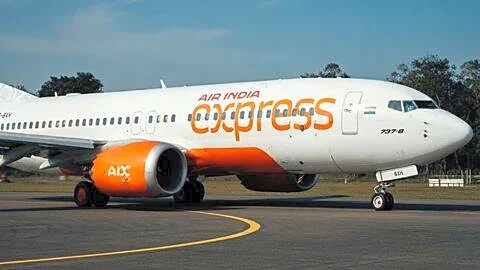
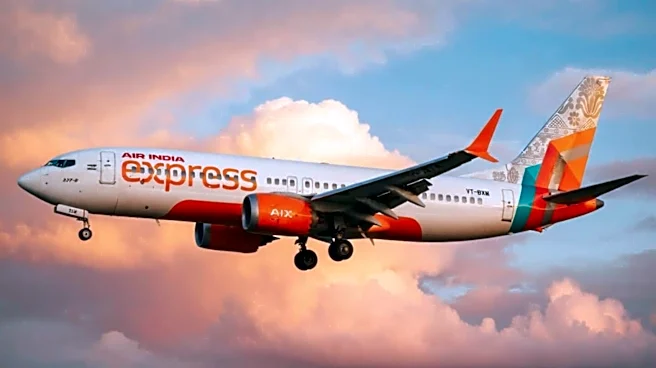
An Air India Express Boeing 737 operating flight IX 415 from Cochin to Abu Dhabi turned back mid-flight on Monday after the crew detected a rapid drop in Engine 1's oil quantity, later shutting the engine down when oil pressure entered the danger zone.
The aircraft landed safely at Cochin International Airport, and passengers on board reportedly did not realise how serious the situation in the cockpit had become.
According to media reports, the aircraft was around 50 minutes into the flight and cruising at 36,000 feet when the pilot and co-pilot noticed Engine 1's oil quantity falling rapidly.
The crew carried out a FORDEC assessment, a structured decision-making framework, and as the oil level kept dropping, decided to abandon the Abu Dhabi sector and return to Cochin.
Turning Back
The commander contacted Mumbai Radio on high frequency to inform air traffic control that the flight was turning back, and standard safety procedures were followed as the aircraft reversed course.
Both pilots continued monitoring engine parameters and preparing for further contingencies. Roughly 45 minutes after the turn back, Engine 1's oil pressure began fluctuating and entered the red zone on the cockpit gauge. Following the Non-Normal Checklist, the crew shut the engine down.
Landing an overweight Boeing 737 on a single engine is considered a high-workload, high-risk manoeuvre, but the crew completed it smoothly. The number of passengers and crew on board was not immediately known, and official comment from Air India Express and the DGCA was awaited.
Safety Under Scrutiny
Technical diversions have become a near-weekly occurrence among Indian carriers.
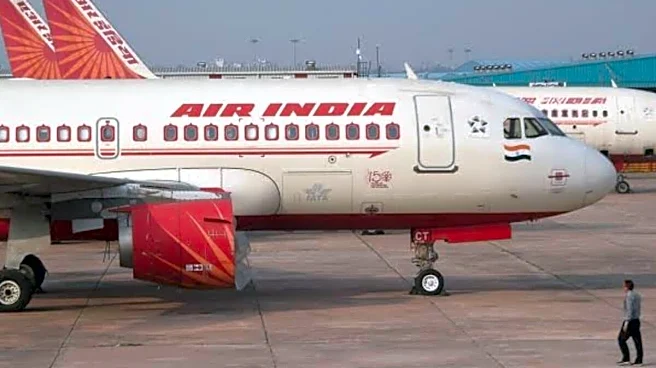
This incident follows the Aircraft Accident Investigation Bureau's preliminary findings on the Air India Phuket-Delhi flight, which noted that Airbus technical experts examined the aircraft involved for three days alongside the investigation team, with hydraulic components and samples collected for further analysis.
After that incident, Union Civil Aviation Minister Ram Mohan Naidu said the DGCA would increase the annual percentage of psychoactive substance tests for flight crew.
The latest engine-oil event raises a further question of whether the Ministry of Civil Aviation will also tighten its framework for DGCA safety audits.
Separately, the US Federal Aviation Administration typically reviews a country's aviation safety oversight roughly once every five years under its International Aviation Safety Assessment programme.
India's last major IASA audit was in October 2021, with the next expected in November this year, and it remains to be seen whether New Delhi uses this window to revise the rules governing DGCA safety audits.
(With input from agencies)
The aircraft landed safely at Cochin International Airport, and passengers on board reportedly did not realise how serious the situation in the cockpit had become.
According to media reports, the aircraft was around 50 minutes into the flight and cruising at 36,000 feet when the pilot and co-pilot noticed Engine 1's oil quantity falling rapidly.
Air
India Express Boeing 737 operating flight IX 415 from Cochin to Abu Dhabi was forced to turn back mid-flight after the crew detected a rapidly falling oil quantity on Engine 1 and later shut the engine down when oil pressure entered the danger zone. The aircraft landed safely… pic.twitter.com/GxEcx4cHTu
— ANI (@ANI) September 7, 2026
The crew carried out a FORDEC assessment, a structured decision-making framework, and as the oil level kept dropping, decided to abandon the Abu Dhabi sector and return to Cochin.
Turning Back
The commander contacted Mumbai Radio on high frequency to inform air traffic control that the flight was turning back, and standard safety procedures were followed as the aircraft reversed course.
Both pilots continued monitoring engine parameters and preparing for further contingencies. Roughly 45 minutes after the turn back, Engine 1's oil pressure began fluctuating and entered the red zone on the cockpit gauge. Following the Non-Normal Checklist, the crew shut the engine down.
Landing an overweight Boeing 737 on a single engine is considered a high-workload, high-risk manoeuvre, but the crew completed it smoothly. The number of passengers and crew on board was not immediately known, and official comment from Air India Express and the DGCA was awaited.
Safety Under Scrutiny
Technical diversions have become a near-weekly occurrence among Indian carriers.
This incident follows the Aircraft Accident Investigation Bureau's preliminary findings on the Air India Phuket-Delhi flight, which noted that Airbus technical experts examined the aircraft involved for three days alongside the investigation team, with hydraulic components and samples collected for further analysis.
After that incident, Union Civil Aviation Minister Ram Mohan Naidu said the DGCA would increase the annual percentage of psychoactive substance tests for flight crew.
The latest engine-oil event raises a further question of whether the Ministry of Civil Aviation will also tighten its framework for DGCA safety audits.
Separately, the US Federal Aviation Administration typically reviews a country's aviation safety oversight roughly once every five years under its International Aviation Safety Assessment programme.
India's last major IASA audit was in October 2021, with the next expected in November this year, and it remains to be seen whether New Delhi uses this window to revise the rules governing DGCA safety audits.
(With input from agencies)