/images/ppid_59c68470-image-17709675345444571.webp)

/images/ppid_a911dc6a-image-177096507436755946.webp)
/images/ppid_59c68470-image-177096503953428764.webp)

What is the story about?
For India, Bangladesh is more than just a neighbour — it is a key pillar of national security. Five Indian states share a border with Bangladesh, making stability in Dhaka critical for New Delhi.
During her tenure, former Prime Minister Sheikh Hasina worked closely with India to curb anti-India insurgent groups operating from Bangladeshi soil. However, ties have deteriorated since her ouster in August 2024.
Bangladesh Nationalist Party (BNP) on Friday claimed victory in the crucial general elections. The Election Commission (EC) is yet to make a formal announcement.
Different media tallies suggested BNP received more than 151 seats in the 300-seat parliament on Thursday’s daylong voting, thus ending the 18-month rule of Muhammad Yunus-led interim government.
India granted Hasina refuge after she left office. "People in Bangladesh see India as complicit with Sheikh Hasina's crimes," Humaiun Kabir, foreign affairs adviser to Bangladesh Nationalist Party (BNP) prime ministerial candidate Tarique Rahman, told Reuters.
"People will not accept building relations or doing business with a country that is harbouring a terrorist and allowing them to destabilise our country," he said.
Also read | Bangladesh Nationalist Party wins parliamentary election, Tarique Rahman set to be next PM
An interim government was formed after Hasina’s removal following a mass uprising in 2024. Dhaka has repeatedly sought her extradition, especially after a court sentenced her to death for allegedly ordering a deadly crackdown on protesters.
A United Nations report estimated that up to 1,400 people were killed and thousands were injured in the violence. Hasina has denied the allegations.
Rahman's calibrated approach
On the campaign trail, Tarique Rahman has adopted a more measured tone. In an interview with Reuters, he said, "We'll try to have friendship with all countries, but of course, protecting the interests of my people and my country."
Strains spill into cricket diplomacy
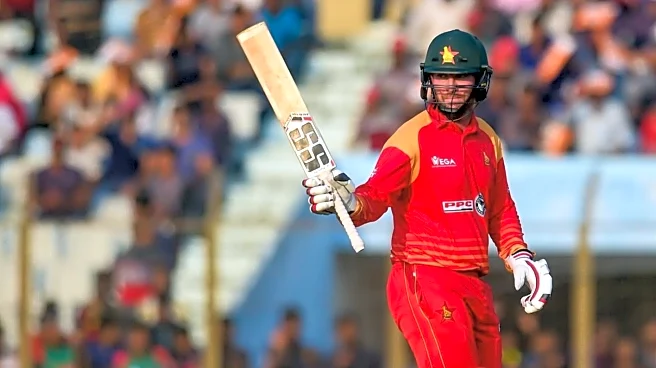
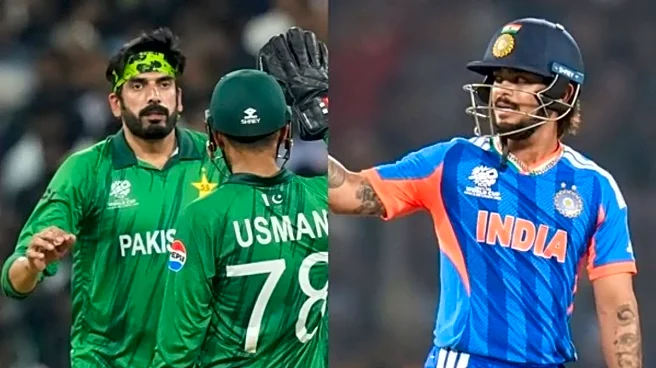
Bilateral tensions have also spilled over into cricket.
A prominent Bangladeshi bowler was dropped from an Indian Premier League franchise following protests by Hindu groups after attacks on minorities in Bangladesh.
Dhaka responded by banning broadcasts of the league, which runs from March to May. It also requested that its matches in the February-March men's Cricket World Cup be shifted from India to Sri Lanka. The request was rejected by the International Cricket Council, and Bangladesh was eventually dropped from the tournament.
Both countries have since tightened visa issuance, and high-level public engagements have been limited.
However, India's External Affairs Minister S Jaishankar met Rahman in Dhaka in December 2025 to convey condolences following the death of his mother and former Prime Minister, Khaleda Zia.
Trade and strategic compulsions
Despite political tensions, economic ties have held steady. Bangladesh, bordered by India on three sides and the Bay of Bengal to the south, depends on India for trade access, transit routes and security cooperation. For New Delhi, maintaining stable ties with Dhaka is essential to managing its long and sensitive land border.
Official data show bilateral trade remains stable at around $13.5 billion annually, largely driven by Indian exports to Bangladesh.
The Adani Power group has also increased electricity supplies to Bangladesh in recent months to help ease shortages, even as Dhaka has criticised the tariff structure agreed during Hasina’s tenure as being expensive.
While India supported Bangladesh's liberation in 1971, long-standing irritants — including water-sharing disputes, border-related deaths and perceptions that New Delhi backed Hasina's unpopular rule — continue to shape public sentiment in Bangladesh.
Farakka Water Treaty talks
The Farakka Water Treaty is due for renewal this year, placing water-sharing back at the centre of India-Bangladesh discussions.
New Delhi is expected to closely track Dhaka’s renewed push for constructing another barrage further downstream within Bangladesh.
The proposed project is likely to come up in Pangsha in Kushtia district, around 180 km downstream from the Farakka Barrage. The Bangladesh Water Development Board (BWDB) is preparing to implement the proposed Padma Barrage project at an estimated cost of 50,443.64 crore Taka. The Padma is the name given to the Ganga after it enters Bangladesh from India.
Signed in 1996, the India-Bangladesh Farakka Water Treaty governs the sharing of Ganges waters between the two countries.
On the campaign trail, Rahman flagged unresolved water-sharing concerns. Referring to the tenure of his father, Ziaur Rahman, he said large-scale canal construction had improved irrigation and addressed water shortages across Bangladesh.
In addition, the two countries have yet to finalise a long-pending agreement on sharing waters of the Teesta River, which flows from Sikkim through West Bengal before entering Bangladesh — another sensitive issue that could shape bilateral engagement going forward.
During her tenure, former Prime Minister Sheikh Hasina worked closely with India to curb anti-India insurgent groups operating from Bangladeshi soil. However, ties have deteriorated since her ouster in August 2024.
Bangladesh Nationalist Party (BNP) on Friday claimed victory in the crucial general elections. The Election Commission (EC) is yet to make a formal announcement.
Different media tallies suggested BNP received more than 151 seats in the 300-seat parliament on Thursday’s daylong voting, thus ending the 18-month rule of Muhammad Yunus-led interim government.
India granted Hasina refuge after she left office. "People in Bangladesh see India as complicit with Sheikh Hasina's crimes," Humaiun Kabir, foreign affairs adviser to Bangladesh Nationalist Party (BNP) prime ministerial candidate Tarique Rahman, told Reuters.
"People will not accept building relations or doing business with a country that is harbouring a terrorist and allowing them to destabilise our country," he said.
Also read | Bangladesh Nationalist Party wins parliamentary election, Tarique Rahman set to be next PM
An interim government was formed after Hasina’s removal following a mass uprising in 2024. Dhaka has repeatedly sought her extradition, especially after a court sentenced her to death for allegedly ordering a deadly crackdown on protesters.
A United Nations report estimated that up to 1,400 people were killed and thousands were injured in the violence. Hasina has denied the allegations.
Rahman's calibrated approach
On the campaign trail, Tarique Rahman has adopted a more measured tone. In an interview with Reuters, he said, "We'll try to have friendship with all countries, but of course, protecting the interests of my people and my country."
Strains spill into cricket diplomacy
Bilateral tensions have also spilled over into cricket.
A prominent Bangladeshi bowler was dropped from an Indian Premier League franchise following protests by Hindu groups after attacks on minorities in Bangladesh.
Dhaka responded by banning broadcasts of the league, which runs from March to May. It also requested that its matches in the February-March men's Cricket World Cup be shifted from India to Sri Lanka. The request was rejected by the International Cricket Council, and Bangladesh was eventually dropped from the tournament.
Both countries have since tightened visa issuance, and high-level public engagements have been limited.
However, India's External Affairs Minister S Jaishankar met Rahman in Dhaka in December 2025 to convey condolences following the death of his mother and former Prime Minister, Khaleda Zia.
Trade and strategic compulsions
Despite political tensions, economic ties have held steady. Bangladesh, bordered by India on three sides and the Bay of Bengal to the south, depends on India for trade access, transit routes and security cooperation. For New Delhi, maintaining stable ties with Dhaka is essential to managing its long and sensitive land border.
Official data show bilateral trade remains stable at around $13.5 billion annually, largely driven by Indian exports to Bangladesh.
The Adani Power group has also increased electricity supplies to Bangladesh in recent months to help ease shortages, even as Dhaka has criticised the tariff structure agreed during Hasina’s tenure as being expensive.
While India supported Bangladesh's liberation in 1971, long-standing irritants — including water-sharing disputes, border-related deaths and perceptions that New Delhi backed Hasina's unpopular rule — continue to shape public sentiment in Bangladesh.
Farakka Water Treaty talks
The Farakka Water Treaty is due for renewal this year, placing water-sharing back at the centre of India-Bangladesh discussions.
New Delhi is expected to closely track Dhaka’s renewed push for constructing another barrage further downstream within Bangladesh.
The proposed project is likely to come up in Pangsha in Kushtia district, around 180 km downstream from the Farakka Barrage. The Bangladesh Water Development Board (BWDB) is preparing to implement the proposed Padma Barrage project at an estimated cost of 50,443.64 crore Taka. The Padma is the name given to the Ganga after it enters Bangladesh from India.
Signed in 1996, the India-Bangladesh Farakka Water Treaty governs the sharing of Ganges waters between the two countries.
On the campaign trail, Rahman flagged unresolved water-sharing concerns. Referring to the tenure of his father, Ziaur Rahman, he said large-scale canal construction had improved irrigation and addressed water shortages across Bangladesh.
In addition, the two countries have yet to finalise a long-pending agreement on sharing waters of the Teesta River, which flows from Sikkim through West Bengal before entering Bangladesh — another sensitive issue that could shape bilateral engagement going forward.
/images/ppid_a911dc6a-image-177096644330164108.webp)

/images/ppid_a911dc6a-image-177096647797524739.webp)
/images/ppid_a911dc6a-image-1770966255583724.webp)





/images/ppid_59c68470-image-177096510334513942.webp)
/images/ppid_59c68470-image-177096513967066327.webp)
/images/ppid_59c68470-image-177096502906732579.webp)