/images/ppid_59c68470-image-177013253528028220.webp)

/images/ppid_a911dc6a-image-177010602804033136.webp)
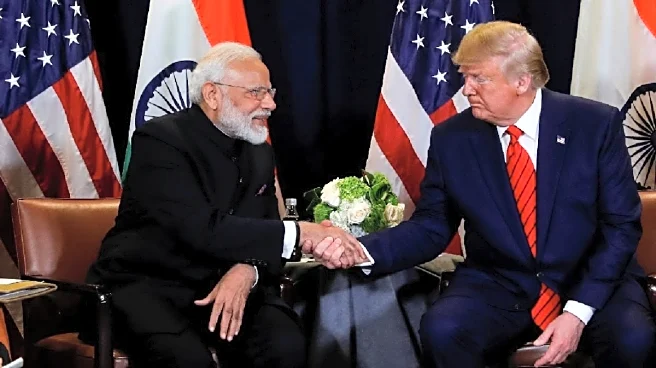
Speaking exclusively to CNBC International, US Trade Representative Jamieson Greer said the United States and India have agreed on the core elements of a trade arrangement that is now being finalised on paper.
“This is it. The time has come — we now have the deal. We’ll finish papering it, but we know the specifics and we know the details. It’s a very exciting opportunity,” Greer said.
Greer said the US will continue to maintain some level of tariffs on India — around 18% — citing a large bilateral
trade deficit. At the same time, he said India has agreed to reduce tariffs across a broad range of US goods.
“They’ve agreed to reduce their tariffs for us on a variety of agricultural products, manufactured goods, chemicals and medical devices,” he said.
According to Greer, India’s average tariff on industrial goods, currently about 13.5%, will be reduced to zero for virtually all products covered under the agreement. “When I say virtually, I mean 98–99%,” he said.
On the agricultural side, Greer said tariffs on a vast array of goods will also go to zero, while acknowledging that India — like every country in the world, including the United States — will retain protections in certain key areas.
“They’ll continue to control that, and we will continue to work on access. But for a variety of things — tree nuts, wine, spirits, fruits and vegetables — they’re going down to zero. This is a big win,” he told CNBC International.
Greer added that the understanding goes beyond tariffs and also addresses non-tariff barriers, including technical barriers to trade. He said the two sides have reached an agreement on a process for recognising certain US standards, while noting that India has its own political considerations and regulatory processes. He described this as a key part of opening India’s market to US goods.
On energy trade, Greer said India had increased purchases of Russian crude when sanctions limited Russia’s ability to sell oil elsewhere, taking advantage of discounted prices — something the US viewed as supporting the Russian war effort.
He said India has since begun winding down those purchases and has been diversifying its energy imports.
“We’ve been monitoring that they’ve been diversifying purchases of energy from the US — not just oil, but also gas, propane and other things. That’s been going up,” Greer said. “They also want to diversify from other sources, whether it’s Venezuela or the Gulf. There are a lot of opportunities to do this. The Indians are making the right choice.”
/images/ppid_59c68470-image-177005257282658788.webp)
/images/ppid_59c68470-image-177005510539359240.webp)
/images/ppid_59c68470-image-177006254119068919.webp)
/images/ppid_59c68470-image-177005253942336965.webp)
/images/ppid_a911dc6a-image-177008523402140777.webp)


/images/ppid_a911dc6a-image-177010087576765026.webp)

/images/ppid_a911dc6a-image-177010862857185201.webp)