/images/ppid_59c68470-image-178902502661057205.webp)



What is the story about?
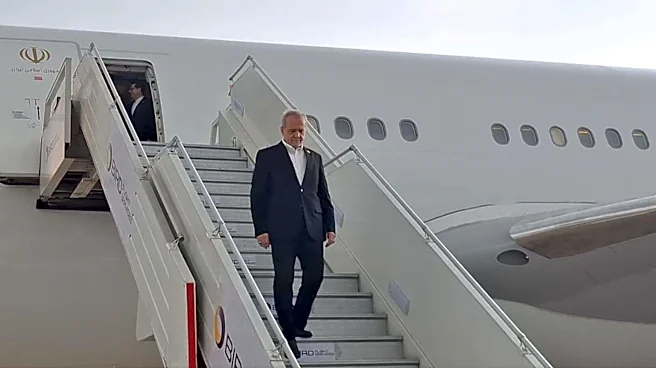
Prime Minister Narendra Modi will hold a bilateral meeting with Iranian President Masoud Pezeshkian on Friday, September 11, sources told CNBC-TV18. The meeting will be held ahead of the BRICS summit, which India is hosting at Bharat Mandapam on September 12 and 13.
Heads of state of eight of the 11 member countries are set to be in New Delhi, along with delegations from 10 partner countries and other outreach groups, including the GCC and the African Union, for the 18th BRICS Leaders’ Summit. India will hold several bilateral meetings on the sidelines of the summit, including one with Russian President Vladimir Putin, which is also scheduled for Friday.
For India and Iran, this will be the second meeting between Modi and Pezeshkian in less than two weeks. The two leaders last met in Bishkek on August 31, on the sidelines of the Shanghai Cooperation Organisation Summit.
During that meeting, the leaders discussed bilateral ties and exchanged views on the conflict in West Asia. Modi expressed concern over the escalation of tensions and reiterated India’s position that disputes must be resolved through dialogue and diplomacy. Emphasising the need to safeguard freedom of navigation and commerce, Modi said civilians and civilian infrastructure, including commercial shipping and seafarers, must not be harmed under any circumstances.
The leaders also discussed transportation and maritime cooperation, developments concerning the Strait of Hormuz and progress at Iran’s Chabahar Port. Modi reiterated India’s readiness to work closely with Iran through multilateral platforms, including BRICS and the SCO, and said he looked forward to welcoming Pezeshkian to India for the BRICS summit.
According to Iran’s readout of the Bishkek meeting, Pezeshkian also called for deeper economic cooperation. He said the two countries could strengthen relations by expanding bilateral engagement and “neutralising the effects of sanctions”, while accusing the US and Israel of attempting to restrict Iran’s external ties.
India-Iran trade has contracted sharply under the impact of US sanctions and disruptions caused by the conflict. According to official figures, bilateral trade stood at $1.63 billion in 2025-26, compared with $17.03 billion in 2018-19.
Also Read: UN Security-General to stress multipolarity, UNSC reforms at BRICS Summit in Delhi
Foreign Secretary Vikram Misri, speaking after the Bishkek meeting, said trade currently taking place between India and Iran was “essentially conducted between private parties”. These businesses, he said, need to navigate the international economic and trading environment, including constraints involving insurance, transportation, payments and logistics.
Misri said possibilities for expanding trade could still be explored “within the domain of whatever is feasible”. He added that New Delhi was studying the implications of the latest US sanctions and would alert potentially affected Indian entities, while individual businesses would ultimately have to decide whether to continue their activities.
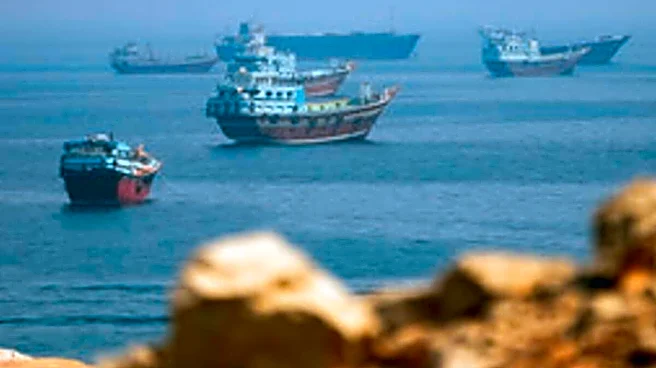
Friday’s meeting comes after the United States launched “Operation Economic Outcast”, a campaign aimed at cutting Iran off from financial links and threatening secondary sanctions against those engaging in business with the country. It also comes against the backdrop of renewed kinetic action in the Strait of Hormuz.
On the night of August 30-31, the US renewed its attacks on Iran, targeting two rocket launchers in the Larak Islands and restarting military action after a month-long pause. Since then, the two sides have regularly exchanged attacks, sending crude prices above $100 a barrel for the first time since July.
Also Read: BRICS Summit 2026: Delhi closures on Sept 11, schools, offices, courts shut; check traffic advisory
Heads of state of eight of the 11 member countries are set to be in New Delhi, along with delegations from 10 partner countries and other outreach groups, including the GCC and the African Union, for the 18th BRICS Leaders’ Summit. India will hold several bilateral meetings on the sidelines of the summit, including one with Russian President Vladimir Putin, which is also scheduled for Friday.
For India and Iran, this will be the second meeting between Modi and Pezeshkian in less than two weeks. The two leaders last met in Bishkek on August 31, on the sidelines of the Shanghai Cooperation Organisation Summit.
During that meeting, the leaders discussed bilateral ties and exchanged views on the conflict in West Asia. Modi expressed concern over the escalation of tensions and reiterated India’s position that disputes must be resolved through dialogue and diplomacy. Emphasising the need to safeguard freedom of navigation and commerce, Modi said civilians and civilian infrastructure, including commercial shipping and seafarers, must not be harmed under any circumstances.
The leaders also discussed transportation and maritime cooperation, developments concerning the Strait of Hormuz and progress at Iran’s Chabahar Port. Modi reiterated India’s readiness to work closely with Iran through multilateral platforms, including BRICS and the SCO, and said he looked forward to welcoming Pezeshkian to India for the BRICS summit.
According to Iran’s readout of the Bishkek meeting, Pezeshkian also called for deeper economic cooperation. He said the two countries could strengthen relations by expanding bilateral engagement and “neutralising the effects of sanctions”, while accusing the US and Israel of attempting to restrict Iran’s external ties.
India-Iran trade has contracted sharply under the impact of US sanctions and disruptions caused by the conflict. According to official figures, bilateral trade stood at $1.63 billion in 2025-26, compared with $17.03 billion in 2018-19.
Also Read: UN Security-General to stress multipolarity, UNSC reforms at BRICS Summit in Delhi
Foreign Secretary Vikram Misri, speaking after the Bishkek meeting, said trade currently taking place between India and Iran was “essentially conducted between private parties”. These businesses, he said, need to navigate the international economic and trading environment, including constraints involving insurance, transportation, payments and logistics.
Misri said possibilities for expanding trade could still be explored “within the domain of whatever is feasible”. He added that New Delhi was studying the implications of the latest US sanctions and would alert potentially affected Indian entities, while individual businesses would ultimately have to decide whether to continue their activities.
Friday’s meeting comes after the United States launched “Operation Economic Outcast”, a campaign aimed at cutting Iran off from financial links and threatening secondary sanctions against those engaging in business with the country. It also comes against the backdrop of renewed kinetic action in the Strait of Hormuz.
On the night of August 30-31, the US renewed its attacks on Iran, targeting two rocket launchers in the Larak Islands and restarting military action after a month-long pause. Since then, the two sides have regularly exchanged attacks, sending crude prices above $100 a barrel for the first time since July.
Also Read: BRICS Summit 2026: Delhi closures on Sept 11, schools, offices, courts shut; check traffic advisory



/images/ppid_59c68470-image-178914002635279422.webp)