/images/ppid_59c68470-image-178827252711095196.webp)

/images/ppid_59c68470-image-178850003195082261.webp)

What is the story about?
US Treasury Secretary Scott Bessent on Tuesday played down the long-term importance of the Strait of Hormuz, saying oil pipelines would allow energy shipments to bypass the crucial waterway within two years.
“That will be bypassed in two years,” Bessent said during a fireside chat with Larry Kudlow at a gathering of global finance officials in Asheville, North Carolina.
“In two years, the Strait of Hormuz will be like a worthless piece of water,” he added.
Bessent's comments come as the Strait has assumed greater significance during the conflict with Iran, which has exercised control over the waterway.
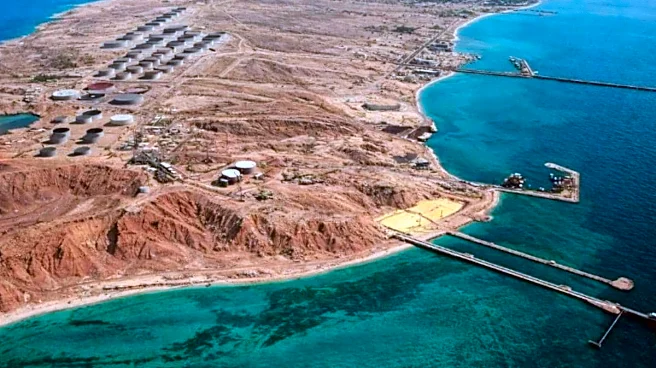
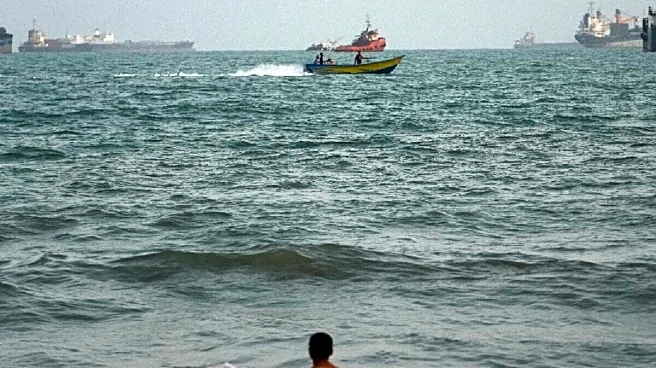
The Strait of Hormuz connects the Persian Gulf with the Gulf of Oman and is one of the world's most important energy chokepoints, serving as a major route for oil and liquefied natural gas exports from Gulf producers.
Bessent's remarks suggest Washington expects alternative pipeline infrastructure to substantially reduce the world's dependence on the waterway for transporting oil. However, he did not provide details on which pipelines would enable the shift, how much additional capacity would be required, or how the two-year timeline would be achieved.
The comments are also significant in the context of Washington's efforts to tighten economic pressure on Iran. The US has been seeking to restrict Tehran's oil revenues and has also been putting pressure on countries that continue to maintain economic ties with Iran.
China remains a major buyer of Iranian oil, making Beijing an important part of Washington's sanctions strategy.
Reducing dependence on Hormuz could have broader implications for that strategy. Alternative routes capable of moving large quantities of Gulf oil without passing through the strait could reduce the leverage associated with control or disruption of the waterway and lower the exposure of global energy supplies to tensions around it.
Bessent, however, did not specify the alternative routes he expects to carry the oil currently moving through Hormuz or provide estimates of how much capacity would be available within two years.
His comments therefore represent a significant prediction about the future of Gulf energy infrastructure, but the details of how such a large shift in global oil flows would be accomplished remain unclear.
“That will be bypassed in two years,” Bessent said during a fireside chat with Larry Kudlow at a gathering of global finance officials in Asheville, North Carolina.
“In two years, the Strait of Hormuz will be like a worthless piece of water,” he added.
Bessent's comments come as the Strait has assumed greater significance during the conflict with Iran, which has exercised control over the waterway.
The Strait of Hormuz connects the Persian Gulf with the Gulf of Oman and is one of the world's most important energy chokepoints, serving as a major route for oil and liquefied natural gas exports from Gulf producers.
Bessent's remarks suggest Washington expects alternative pipeline infrastructure to substantially reduce the world's dependence on the waterway for transporting oil. However, he did not provide details on which pipelines would enable the shift, how much additional capacity would be required, or how the two-year timeline would be achieved.
The comments are also significant in the context of Washington's efforts to tighten economic pressure on Iran. The US has been seeking to restrict Tehran's oil revenues and has also been putting pressure on countries that continue to maintain economic ties with Iran.
China remains a major buyer of Iranian oil, making Beijing an important part of Washington's sanctions strategy.
Reducing dependence on Hormuz could have broader implications for that strategy. Alternative routes capable of moving large quantities of Gulf oil without passing through the strait could reduce the leverage associated with control or disruption of the waterway and lower the exposure of global energy supplies to tensions around it.
Bessent, however, did not specify the alternative routes he expects to carry the oil currently moving through Hormuz or provide estimates of how much capacity would be available within two years.
His comments therefore represent a significant prediction about the future of Gulf energy infrastructure, but the details of how such a large shift in global oil flows would be accomplished remain unclear.



/images/ppid_59c68470-image-178860507107135115.webp)