/images/ppid_59c68470-image-177546252996877041.webp)



What is the story about?
Iran and the United States have received a proposal to end ongoing hostilities, which could potentially take effect as early as Monday, including the reopening of the Strait of Hormuz, according to media reports.
The framework, put together by Pakistan and shared with both sides overnight, outlines a two-step approach — an immediate ceasefire followed by negotiations toward a broader and long-term agreement.
"All elements need to be agreed today," the report quoted sources, adding that the initial understanding may be formalised as a memorandum of understanding routed electronically through Pakistan, which is acting as the primary communication channel.
Click for live updates
Two-phase deal under discussion
The proposal proposes an immediate cessation of hostilities, alongside the reopening of the Strait of Hormuz — a vital artery for global oil shipments. This would be followed by a 15–20 day window to finalise a comprehensive settlement.
The tentative agreement, referred to as the "Islamabad Accord," is expected to include a regional framework governing the strait, with final in-person negotiations likely to be held in Islamabad.
Earlier, a report by Axios indicated that the US, Iran and regional stakeholders were exploring a
45-day ceasefire
as part of a phased roadmap that could eventually lead to a permanent end to the conflict.
Backchannel diplomacy intensifies
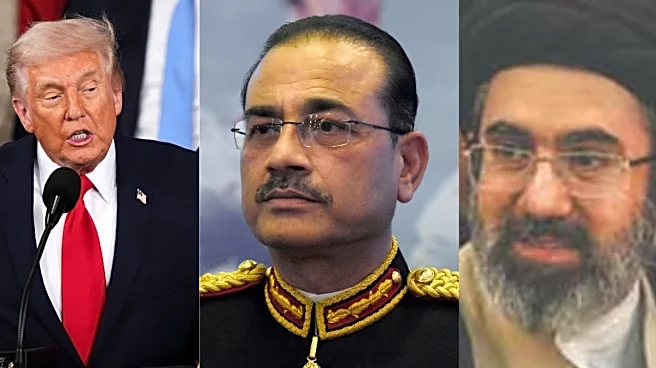
Pakistan's Army Chief Asim Munir is understood to have been in continuous contact with senior officials including US Vice President JD Vance, special envoy Steve Witkoff, and Iranian Foreign Minister Abbas Araqchi, several reports said.
However, there has been no official confirmation from either Washington or Tehran so far, and Pakistan's foreign office has declined to comment publicly, Reuters reported.
Sticking points remain
Iran is said to be seeking firm security guarantees against future attacks by the US and Israel, along with sanctions relief and access to frozen assets as part of any final agreement. In return, Tehran could commit to not pursuing nuclear weapons, the report added.
Despite increased diplomatic outreach involving Pakistan, Turkey and Egypt, Iran has yet to formally respond to the latest proposal.
US President Donald Trump has in recent days pushed for a swift resolution, warning of consequences if a ceasefire is not reached soon.
The framework, put together by Pakistan and shared with both sides overnight, outlines a two-step approach — an immediate ceasefire followed by negotiations toward a broader and long-term agreement.
"All elements need to be agreed today," the report quoted sources, adding that the initial understanding may be formalised as a memorandum of understanding routed electronically through Pakistan, which is acting as the primary communication channel.
Click for live updates
Two-phase deal under discussion
The proposal proposes an immediate cessation of hostilities, alongside the reopening of the Strait of Hormuz — a vital artery for global oil shipments. This would be followed by a 15–20 day window to finalise a comprehensive settlement.
The tentative agreement, referred to as the "Islamabad Accord," is expected to include a regional framework governing the strait, with final in-person negotiations likely to be held in Islamabad.
Earlier, a report by Axios indicated that the US, Iran and regional stakeholders were exploring a
Backchannel diplomacy intensifies
Pakistan's Army Chief Asim Munir is understood to have been in continuous contact with senior officials including US Vice President JD Vance, special envoy Steve Witkoff, and Iranian Foreign Minister Abbas Araqchi, several reports said.
However, there has been no official confirmation from either Washington or Tehran so far, and Pakistan's foreign office has declined to comment publicly, Reuters reported.
Sticking points remain
Iran is said to be seeking firm security guarantees against future attacks by the US and Israel, along with sanctions relief and access to frozen assets as part of any final agreement. In return, Tehran could commit to not pursuing nuclear weapons, the report added.
Despite increased diplomatic outreach involving Pakistan, Turkey and Egypt, Iran has yet to formally respond to the latest proposal.
US President Donald Trump has in recent days pushed for a swift resolution, warning of consequences if a ceasefire is not reached soon.

/images/ppid_59c68470-image-177561502503962378.webp)