/images/ppid_59c68470-image-178957002588157988.webp)

/images/ppid_59c68470-image-178975002699010093.webp)
What is the story about?
A sweeping Russia sanctions bill is set to be put to a vote in the US House of Representatives and could potentially expose India to additional tariffs over its purchases of Russian crude oil.
The bill, titled the Lindsey O. Graham Sanctioning Russia and Iran Act of 2026, was passed by the US Senate on August 7 by an overwhelming bipartisan vote of 86 to 11. As per procedure, the bill was set to be put to a vote in the House, but since the House was in recess at the time, it was pushed to after August 31.
On September 15, the US House of Representatives cleared a procedural vote, voting 214 to 211, allowing the House to consider the bill for deliberation and teeing it up for a final vote. The House has a tight deadline to decide on the bill, given that it is set to break again for recess on Thursday, ahead of the US midterm election.
Reuters reports that the House is expected to vote on the legislation on September 16. If the House agrees to the Senate’s version of the bill without making further changes, the next step would be to put it before US President Donald Trump, who is expected to sign it into law.
But until that process is complete, it remains a bill and not US law.
What does the bill propose and what’s Section 113?
The legislation is aimed at increasing economic pressure on Moscow over the war in Ukraine. It proposes sanctions against Russian officials and institutions, as well as foreign entities supporting Russia’s defence-industrial and energy activities.
The bill also seeks to sanction countries, particularly those that continue buying Russian oil and natural gas after the bill is enacted. It threatens additional tariffs of anywhere between zero and 100% on countries that meet certain criteria, which are detailed in Section 113.
Titled “Duties on countries that purchase Russian-origin crude oil or natural gas or facilitate sanctions evasion”, this section of the bill defines the criteria that countries must meet to potentially face sanctions at the hands of the US.
Section 113 directs US President Trump, within 30 days of the legislation becoming law, to impose additional tariffs on all goods imported from a country that meets the criteria defined in this section.
Under the initial oil and gas test, two conditions must be satisfied. First, the country must knowingly make new purchases of Russian-origin crude oil or natural gas beginning 30 days after the legislation is enacted. Second, it must have been among the five largest importers, by total volume, of Russian crude oil or natural gas during the 12 months preceding enactment of the bill into law.
Thus, it essentially gives countries that are among the largest buyers of Russian crude oil and natural gas a 30-day window to alter their buying patterns. However, if they continue buying Russian oil and gas after the window and were among the top five buyers in the previous year, they could be subject to additional duties.
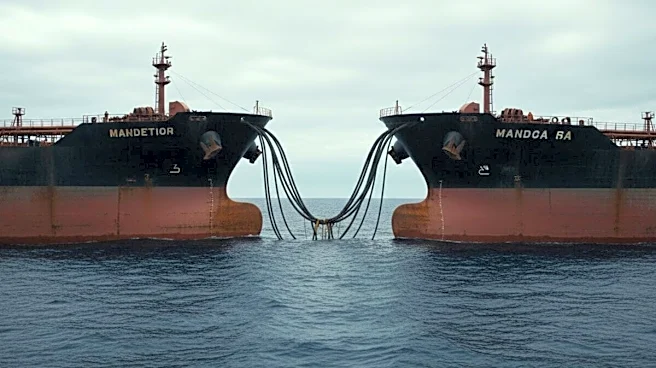
A separate trigger also applies to the five largest countries found to have facilitated the evasion of sanctions on Russian oil during the preceding 12 months. This includes countries where entities are engaged in transactions or services that help circumvent oil-related sanctions, including dealings connected to shadow-fleet vessels.
Is there an exception?
The bill provides a limited exception for countries covered because of their imports of Russian natural gas. For the exception to apply, the country’s Russian gas imports during the relevant 12-month period must have been less than 15% of Russia’s total annual gas exports. The country must also have taken “significant steps” to reduce those imports. Both requirements must be satisfied.
The bill also gives the US President the ability to exempt certain countries from these tariffs, provided he can testify before Congress that doing so is in the American national interest.
Further, the list of affected countries is also to be reviewed regularly. The section states that after 180 days of the initial tariffs, and every 180 days thereafter, the US Trade Representative, in consultation with the secretaries of state and energy, would identify the five largest buyers of Russian crude and the five largest buyers of Russian natural gas using data from the preceding 12 months.
The legislation directs the administration to impose duties on goods from the countries identified through these subsequent reviews.
Does the bill name India?
No. The text does not name India, China or any other country as an automatic target of Section 113. A proposal was submitted in the House Rules Committee to explicitly list 10 countries that were among the largest buyers of Russian oil and gas. However, the proposal was not cleared for consideration by the House.
Yet, the shadow of these tariffs continues to loom over New Delhi.
India has featured on lists of top Russian crude oil buyers, alongside China, Slovakia, Hungary, Azerbaijan, Turkey and the UAE. If the bill passes and India’s buying pattern continues in the 30 days after enactment, it could be subject to additional tariffs. Ultimately, whether India is covered would depend on the trade data and methodology used by the US administration, as well as India’s purchases following enactment.
Even then, a 100% tariff on India isn’t automatic. The bill directs the President to impose an additional tariff on a qualifying country, but allows the administration to determine the rate, subject to a ceiling of 100%. The US Trade Representative can later modify the rate after determining that a country has taken significant steps to increase, reduce or stop its purchases of Russian oil or gas.
India, on its part, has consistently maintained that its energy purchases are guided by its national interest. During a September 3 visit to Kyiv, External Affairs Minister S. Jaishankar said the conflict would not be resolved simply because countries bought, or did not buy, Russian oil, and argued that a solution would have to come through dialogue, diplomacy and negotiations.
For now, India has not been sanctioned under this bill because it has not yet become law. But its position as a major buyer of Russian crude means that, if the legislation is enacted and purchases continue, the tariff risk would be real, even though a 100% rate is neither automatic nor predetermined.
The bill, titled the Lindsey O. Graham Sanctioning Russia and Iran Act of 2026, was passed by the US Senate on August 7 by an overwhelming bipartisan vote of 86 to 11. As per procedure, the bill was set to be put to a vote in the House, but since the House was in recess at the time, it was pushed to after August 31.
On September 15, the US House of Representatives cleared a procedural vote, voting 214 to 211, allowing the House to consider the bill for deliberation and teeing it up for a final vote. The House has a tight deadline to decide on the bill, given that it is set to break again for recess on Thursday, ahead of the US midterm election.
Reuters reports that the House is expected to vote on the legislation on September 16. If the House agrees to the Senate’s version of the bill without making further changes, the next step would be to put it before US President Donald Trump, who is expected to sign it into law.
But until that process is complete, it remains a bill and not US law.
What does the bill propose and what’s Section 113?
The legislation is aimed at increasing economic pressure on Moscow over the war in Ukraine. It proposes sanctions against Russian officials and institutions, as well as foreign entities supporting Russia’s defence-industrial and energy activities.
The bill also seeks to sanction countries, particularly those that continue buying Russian oil and natural gas after the bill is enacted. It threatens additional tariffs of anywhere between zero and 100% on countries that meet certain criteria, which are detailed in Section 113.
Titled “Duties on countries that purchase Russian-origin crude oil or natural gas or facilitate sanctions evasion”, this section of the bill defines the criteria that countries must meet to potentially face sanctions at the hands of the US.
Section 113 directs US President Trump, within 30 days of the legislation becoming law, to impose additional tariffs on all goods imported from a country that meets the criteria defined in this section.
Under the initial oil and gas test, two conditions must be satisfied. First, the country must knowingly make new purchases of Russian-origin crude oil or natural gas beginning 30 days after the legislation is enacted. Second, it must have been among the five largest importers, by total volume, of Russian crude oil or natural gas during the 12 months preceding enactment of the bill into law.
Thus, it essentially gives countries that are among the largest buyers of Russian crude oil and natural gas a 30-day window to alter their buying patterns. However, if they continue buying Russian oil and gas after the window and were among the top five buyers in the previous year, they could be subject to additional duties.
A separate trigger also applies to the five largest countries found to have facilitated the evasion of sanctions on Russian oil during the preceding 12 months. This includes countries where entities are engaged in transactions or services that help circumvent oil-related sanctions, including dealings connected to shadow-fleet vessels.
Is there an exception?
The bill provides a limited exception for countries covered because of their imports of Russian natural gas. For the exception to apply, the country’s Russian gas imports during the relevant 12-month period must have been less than 15% of Russia’s total annual gas exports. The country must also have taken “significant steps” to reduce those imports. Both requirements must be satisfied.
The bill also gives the US President the ability to exempt certain countries from these tariffs, provided he can testify before Congress that doing so is in the American national interest.
Further, the list of affected countries is also to be reviewed regularly. The section states that after 180 days of the initial tariffs, and every 180 days thereafter, the US Trade Representative, in consultation with the secretaries of state and energy, would identify the five largest buyers of Russian crude and the five largest buyers of Russian natural gas using data from the preceding 12 months.
The legislation directs the administration to impose duties on goods from the countries identified through these subsequent reviews.
Does the bill name India?
No. The text does not name India, China or any other country as an automatic target of Section 113. A proposal was submitted in the House Rules Committee to explicitly list 10 countries that were among the largest buyers of Russian oil and gas. However, the proposal was not cleared for consideration by the House.
Yet, the shadow of these tariffs continues to loom over New Delhi.
India has featured on lists of top Russian crude oil buyers, alongside China, Slovakia, Hungary, Azerbaijan, Turkey and the UAE. If the bill passes and India’s buying pattern continues in the 30 days after enactment, it could be subject to additional tariffs. Ultimately, whether India is covered would depend on the trade data and methodology used by the US administration, as well as India’s purchases following enactment.
Even then, a 100% tariff on India isn’t automatic. The bill directs the President to impose an additional tariff on a qualifying country, but allows the administration to determine the rate, subject to a ceiling of 100%. The US Trade Representative can later modify the rate after determining that a country has taken significant steps to increase, reduce or stop its purchases of Russian oil or gas.
India, on its part, has consistently maintained that its energy purchases are guided by its national interest. During a September 3 visit to Kyiv, External Affairs Minister S. Jaishankar said the conflict would not be resolved simply because countries bought, or did not buy, Russian oil, and argued that a solution would have to come through dialogue, diplomacy and negotiations.
For now, India has not been sanctioned under this bill because it has not yet become law. But its position as a major buyer of Russian crude means that, if the legislation is enacted and purchases continue, the tariff risk would be real, even though a 100% rate is neither automatic nor predetermined.


/images/ppid_59c68470-image-178995502820941996.webp)