/images/ppid_59c68470-image-178791253661980644.webp)


What is the story about?
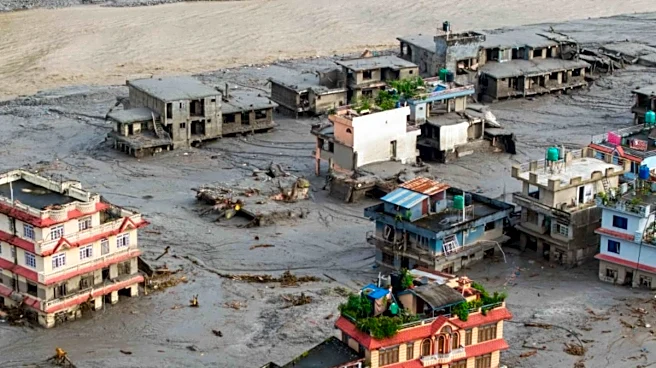
Nepal is mounting a massive rescue operation after devastating flash floods swept through the Nepal-China border region, killing hundreds, leaving more than 1,500 people missing and destroying roads, bridges and settlements.
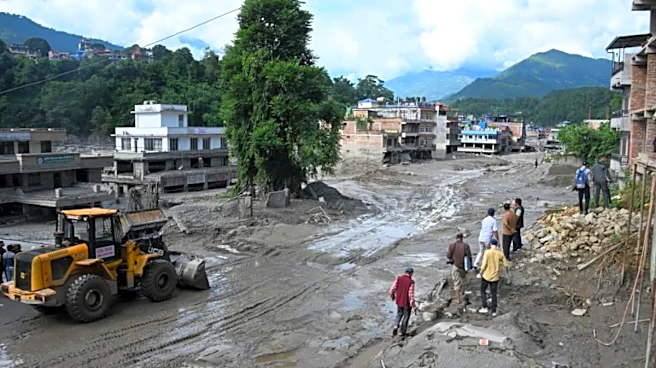
The full scale of the disaster is still emerging. Rescue teams are struggling to reach communities cut off by washed-out roads and bridges and the difficult Himalayan terrain. Nepal Army Chief General Ashok Raj told CNN-News18 that authorities could take as long as a week to establish the extent of the destruction.
For now, the priority is finding survivors and reaching isolated communities. But authorities are confronting another danger even before the first rescue operation is complete: debris has blocked rivers and a barrier lake has formed near the Nepal-Tibet border, raising the risk of another sudden flood.
Rebuilding could cost at least $5 billion
The eventual cost of rebuilding Nepal's damaged infrastructure could run into billions of dollars.
Binod Chaudhary, chairman of Chaudhary Group and Nepal's only billionaire, told Bloomberg TV that he wouldn't be surprised if reconstruction eventually cost at least $5 billion.
Chaudhary said the challenge wasn't simply financial. Rebuilding roads, bridges and other infrastructure across Nepal's mountainous terrain could take considerable time.
The $5 billion figure is an early estimate rather than an official government assessment. Large parts of the affected region remain inaccessible, making it difficult to determine the full extent of the damage.
Initial estimates already point to widespread destruction.
In Rasuwa district, sections of roads and bridges have been swept away, while homes and other structures have been damaged or buried under mud, rocks and debris.
Roads and bridges worth more than 15 billion Nepalese rupees ($98.33 million) have been damaged, according to initial government estimates cited by BBC Nepali.
Local officials in parts of the historic hilltop town of Nuwakot reported scores—and potentially hundreds—of houses swept away, according to The Conversation.
Nepal's Department of Roads said at least 19 motorable bridges and about 40 kilometres of roads had been damaged or washed away, The Conversation reported.
Among the most significant losses is a 42-kilometre road connecting Betrawati with Rasuwagadhi, a key border crossing between Nepal and China's Tibet Autonomous Region. The road has been destroyed at multiple points.
Across the border, the Gyirong Port area in Tibet was also badly hit, disrupting one of the main trade and transport links between Nepal and China.
Nearly 1,000 people rescued
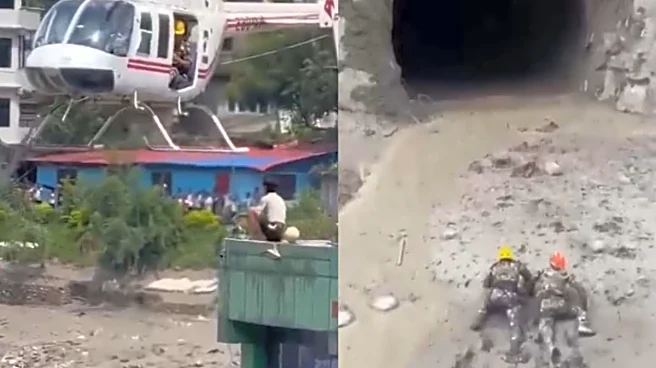
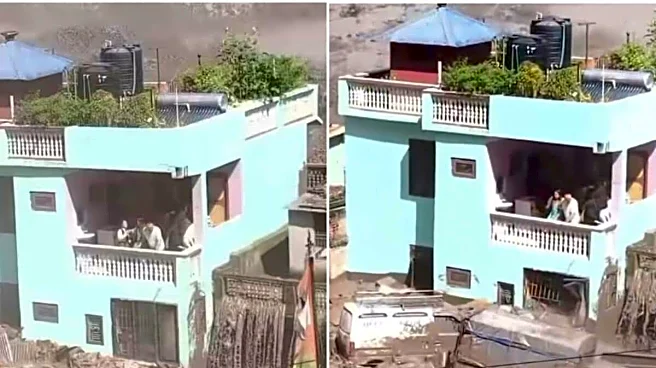
Despite the difficult conditions, rescue teams have managed to reach nearly 1,000 people, General Raj told CNN-News18.
Some survivors were found in small groups, while others were rescued together from stranded locations. Many have since been registered and returned to their respective areas.
Around 400 people were still being cared for by local authorities in Trishuli, Raj said.
Foreign nationals are among those rescued. About 102 foreigners were brought to safety on Thursday, including 82 Indians, according to the army chief.
The Nepal Army is working with the Indian Embassy to assist Indian nationals rescued and taken to the Trishuli camp.
Also Read: Nepal-China flood crisis: Water dam on Tibet side bursts again, says police
But the rescue itself remains dangerous as conditions in the affected region continue to change.
Nepal police have instructed security personnel, rescue workers and members of the public involved in relief efforts to remain on high alert and move immediately to safer ground if conditions deteriorate.
“It hasn't stopped,” Nepal police spokesperson Abi Narayan Kafle told the Associated Press, referring to the continuing emergency.
Why another flood could follow
The danger didn't end when the first surge of water passed.
The International Centre for Integrated Mountain Development (ICIMOD) has warned that the enormous amount of debris carried by the floods could trigger secondary flooding in the coming days.
Floodwaters can carry rocks, mud, ice and sediment downstream, potentially blocking rivers such as the Trishuli and Bhote Koshi. If enough debris accumulates, it can effectively create a natural dam.
Water then builds up behind the blockage. If that makeshift dam suddenly gives way, the accumulated water can rush downstream in another powerful surge.
That makes monitoring river levels and debris particularly important in narrow stretches where large quantities of material may have accumulated.
People living near the affected rivers have been told to remain cautious and follow instructions from local authorities.
Barrier lake in Tibet poses another threat
A separate danger is developing across the border in Tibet.
A barrier lake formed near the Nepal-Tibet border following a landslide and contained an estimated 2.5 million cubic metres of water by Friday morning, according to the BBC. More water was expected to flow into it.
Chinese authorities have warned that the lake is at high risk of breaching its banks.
The lake formed at the confluence of the Chhochen Khola and Purepu Tsangpo rivers and had already begun overflowing, according to China's Ministry of Water Resources.
Engineering teams have been sent to monitor water levels and weather conditions around the lake.
The threat has also complicated rescue efforts. Chinese emergency services were unable to move closer to Gyirong Port because the lake was continuously overflowing, the BBC reported, raising the risk of further flooding or debris flows.
Search-and-rescue operations near the Nepal-Tibet border were suspended because of the danger.
Nepali authorities have separately warned people to stay away from the Bhote Koshi and Trishuli rivers until further notice.
What happens next?
The next few days will be critical.
Rescue teams must find people who remain missing, reach communities still cut off from the outside world and determine the extent of damage in areas that have yet to be assessed.
At the same time, authorities have to watch the rivers for new blockages or sudden surges. The barrier lake on the Tibetan side of the border will also remain under close observation because of the risk that it could breach.
The death toll could rise as rescuers gain access to isolated areas and authorities establish how many of those reported missing can be accounted for.
Only after the immediate emergency begins to ease will Nepal be able to get a clearer picture of the cost of rebuilding its roads, bridges, homes and other infrastructure—and how much international assistance it may need.
For now, Nepal is effectively fighting the disaster on two fronts: searching for survivors of the first flood while preparing for the possibility of another.
Also Read: Nepal floods: Experts urge glacial assessment, land use policy in Himalayas after deadly flash floods
The full scale of the disaster is still emerging. Rescue teams are struggling to reach communities cut off by washed-out roads and bridges and the difficult Himalayan terrain. Nepal Army Chief General Ashok Raj told CNN-News18 that authorities could take as long as a week to establish the extent of the destruction.
For now, the priority is finding survivors and reaching isolated communities. But authorities are confronting another danger even before the first rescue operation is complete: debris has blocked rivers and a barrier lake has formed near the Nepal-Tibet border, raising the risk of another sudden flood.
Rebuilding could cost at least $5 billion
The eventual cost of rebuilding Nepal's damaged infrastructure could run into billions of dollars.
Binod Chaudhary, chairman of Chaudhary Group and Nepal's only billionaire, told Bloomberg TV that he wouldn't be surprised if reconstruction eventually cost at least $5 billion.
Chaudhary said the challenge wasn't simply financial. Rebuilding roads, bridges and other infrastructure across Nepal's mountainous terrain could take considerable time.
The $5 billion figure is an early estimate rather than an official government assessment. Large parts of the affected region remain inaccessible, making it difficult to determine the full extent of the damage.
Initial estimates already point to widespread destruction.
In Rasuwa district, sections of roads and bridges have been swept away, while homes and other structures have been damaged or buried under mud, rocks and debris.
Roads and bridges worth more than 15 billion Nepalese rupees ($98.33 million) have been damaged, according to initial government estimates cited by BBC Nepali.
Local officials in parts of the historic hilltop town of Nuwakot reported scores—and potentially hundreds—of houses swept away, according to The Conversation.
Nepal's Department of Roads said at least 19 motorable bridges and about 40 kilometres of roads had been damaged or washed away, The Conversation reported.
Among the most significant losses is a 42-kilometre road connecting Betrawati with Rasuwagadhi, a key border crossing between Nepal and China's Tibet Autonomous Region. The road has been destroyed at multiple points.
Across the border, the Gyirong Port area in Tibet was also badly hit, disrupting one of the main trade and transport links between Nepal and China.
Nearly 1,000 people rescued
Despite the difficult conditions, rescue teams have managed to reach nearly 1,000 people, General Raj told CNN-News18.
Some survivors were found in small groups, while others were rescued together from stranded locations. Many have since been registered and returned to their respective areas.
Around 400 people were still being cared for by local authorities in Trishuli, Raj said.
Foreign nationals are among those rescued. About 102 foreigners were brought to safety on Thursday, including 82 Indians, according to the army chief.
The Nepal Army is working with the Indian Embassy to assist Indian nationals rescued and taken to the Trishuli camp.
Also Read: Nepal-China flood crisis: Water dam on Tibet side bursts again, says police
But the rescue itself remains dangerous as conditions in the affected region continue to change.
Nepal police have instructed security personnel, rescue workers and members of the public involved in relief efforts to remain on high alert and move immediately to safer ground if conditions deteriorate.
“It hasn't stopped,” Nepal police spokesperson Abi Narayan Kafle told the Associated Press, referring to the continuing emergency.
Why another flood could follow
The danger didn't end when the first surge of water passed.
The International Centre for Integrated Mountain Development (ICIMOD) has warned that the enormous amount of debris carried by the floods could trigger secondary flooding in the coming days.
Floodwaters can carry rocks, mud, ice and sediment downstream, potentially blocking rivers such as the Trishuli and Bhote Koshi. If enough debris accumulates, it can effectively create a natural dam.
Water then builds up behind the blockage. If that makeshift dam suddenly gives way, the accumulated water can rush downstream in another powerful surge.
That makes monitoring river levels and debris particularly important in narrow stretches where large quantities of material may have accumulated.
People living near the affected rivers have been told to remain cautious and follow instructions from local authorities.
Barrier lake in Tibet poses another threat
A separate danger is developing across the border in Tibet.
A barrier lake formed near the Nepal-Tibet border following a landslide and contained an estimated 2.5 million cubic metres of water by Friday morning, according to the BBC. More water was expected to flow into it.
Chinese authorities have warned that the lake is at high risk of breaching its banks.
The lake formed at the confluence of the Chhochen Khola and Purepu Tsangpo rivers and had already begun overflowing, according to China's Ministry of Water Resources.
Engineering teams have been sent to monitor water levels and weather conditions around the lake.
The threat has also complicated rescue efforts. Chinese emergency services were unable to move closer to Gyirong Port because the lake was continuously overflowing, the BBC reported, raising the risk of further flooding or debris flows.
Search-and-rescue operations near the Nepal-Tibet border were suspended because of the danger.
Nepali authorities have separately warned people to stay away from the Bhote Koshi and Trishuli rivers until further notice.
What happens next?
The next few days will be critical.
Rescue teams must find people who remain missing, reach communities still cut off from the outside world and determine the extent of damage in areas that have yet to be assessed.
At the same time, authorities have to watch the rivers for new blockages or sudden surges. The barrier lake on the Tibetan side of the border will also remain under close observation because of the risk that it could breach.
The death toll could rise as rescuers gain access to isolated areas and authorities establish how many of those reported missing can be accounted for.
Only after the immediate emergency begins to ease will Nepal be able to get a clearer picture of the cost of rebuilding its roads, bridges, homes and other infrastructure—and how much international assistance it may need.
For now, Nepal is effectively fighting the disaster on two fronts: searching for survivors of the first flood while preparing for the possibility of another.
Also Read: Nepal floods: Experts urge glacial assessment, land use policy in Himalayas after deadly flash floods
/images/ppid_59c68470-image-178807002755920538.webp)


/images/ppid_59c68470-image-178788758278461735.webp)
/images/ppid_59c68470-image-178790752923351718.webp)
/images/ppid_59c68470-image-178790759601490001.webp)