/images/ppid_59c68470-image-178971502681440097.webp)

/images/ppid_59c68470-image-178964756792848798.webp)

What is the story about?
Pakistan announced a fresh set of austerity measures on Thursday as rising global fuel prices and growing energy supply concerns put pressure on the government. The measures include a 50% cut in fuel allocations for government vehicles, a ban on foreign visits and a freeze on the purchase of new government vehicles.
Approved by the Pakistan cabinet, the austerity measures were implemented with immediate effect and will remain in force for three months. The measures are aimed at reducing fuel consumption and government expenditure.
“The Federal Government, on consideration of the recommendations of the Committee for Monitoring and Implementation of Fuel Conservation and Additional Austerity Measures, has been pleased to direct the implementation of the following austerity and fuel conservation measures, with immediate effect,” read the Cabinet Division notification issued on September 17.
Under the new restrictions, fuel allocations for government vehicles will be reduced by half. Operational vehicles used by the armed forces, law enforcement agencies and essential services have been exempted, although the cut will apply to administrative and non-operational vehicles.
The government has also ordered a 5% reduction in non-employee-related expenditure for the current financial year.
Foreign travel, new vehicle purchases banned
Official foreign visits and travel have been banned for three months. In unavoidable cases, ministers, advisers and government officials will have to travel in economy class. The government has also directed officials to rely on video and teleconferencing for meetings wherever possible.
The purchase of new government vehicles has been prohibited, while procurement of durable goods has also been banned, except for IT-related equipment. Official dinners have been prohibited as well, apart from those hosted for visiting foreign delegations.
The government has also continued restrictions on business hours. Shops, markets and shopping malls will close by 9 pm, marriage halls by 10 pm and restaurants, cafes and eateries by 11 pm. Pharmacies, hospitals, clinics, medical laboratories and several essential services have been exempted.
Single dish rule at weddings
The austerity measure also calls for only a single dish to be served at marriage-related functions and events. Government-funded seminars, training programmes and conferences have also been restricted, with authorities directed to avoid unnecessary expenditure.
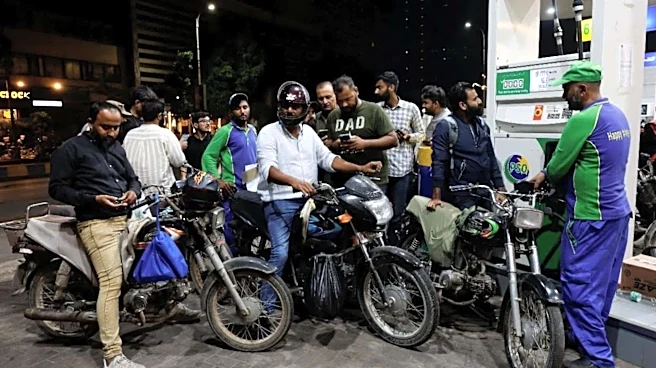
The measures come two days after Pakistan raised petrol prices by PKR 4.10 per litre and high-speed diesel prices by PKR 6.41 per litre, taking them to PKR 384.34 and PKR 415.83 per litre, respectively.
Pakistan has been facing heightened pressure from rising global oil prices amid the conflict and disruptions affecting energy supplies in the wider region.
Subsidy of PKR 100 per litre
The latest package follows another austerity drive announced earlier this year, which included measures to reduce fuel consumption and government spending.
Alongside the austerity measures, the government has earlier introduced a fuel relief programme offering a subsidy of PKR 100 per litre to eligible motorcycles, rickshaws and small cars, subject to monthly limits.
The scheme has faced implementation challenges, including difficulties with vehicle and mobile-phone registration.
Pakistan’s energy concerns also extend to its power sector. The country is expected to require up to 400 million cubic feet of gas supplies during the winter, while uncertainty over LNG availability has added to concerns about energy security.
Approved by the Pakistan cabinet, the austerity measures were implemented with immediate effect and will remain in force for three months. The measures are aimed at reducing fuel consumption and government expenditure.
“The Federal Government, on consideration of the recommendations of the Committee for Monitoring and Implementation of Fuel Conservation and Additional Austerity Measures, has been pleased to direct the implementation of the following austerity and fuel conservation measures, with immediate effect,” read the Cabinet Division notification issued on September 17.
Under the new restrictions, fuel allocations for government vehicles will be reduced by half. Operational vehicles used by the armed forces, law enforcement agencies and essential services have been exempted, although the cut will apply to administrative and non-operational vehicles.
The government has also ordered a 5% reduction in non-employee-related expenditure for the current financial year.
Foreign travel, new vehicle purchases banned
Official foreign visits and travel have been banned for three months. In unavoidable cases, ministers, advisers and government officials will have to travel in economy class. The government has also directed officials to rely on video and teleconferencing for meetings wherever possible.
The purchase of new government vehicles has been prohibited, while procurement of durable goods has also been banned, except for IT-related equipment. Official dinners have been prohibited as well, apart from those hosted for visiting foreign delegations.
The government has also continued restrictions on business hours. Shops, markets and shopping malls will close by 9 pm, marriage halls by 10 pm and restaurants, cafes and eateries by 11 pm. Pharmacies, hospitals, clinics, medical laboratories and several essential services have been exempted.
Single dish rule at weddings
The austerity measure also calls for only a single dish to be served at marriage-related functions and events. Government-funded seminars, training programmes and conferences have also been restricted, with authorities directed to avoid unnecessary expenditure.
The measures come two days after Pakistan raised petrol prices by PKR 4.10 per litre and high-speed diesel prices by PKR 6.41 per litre, taking them to PKR 384.34 and PKR 415.83 per litre, respectively.
Pakistan has been facing heightened pressure from rising global oil prices amid the conflict and disruptions affecting energy supplies in the wider region.
Subsidy of PKR 100 per litre
The latest package follows another austerity drive announced earlier this year, which included measures to reduce fuel consumption and government spending.
Alongside the austerity measures, the government has earlier introduced a fuel relief programme offering a subsidy of PKR 100 per litre to eligible motorcycles, rickshaws and small cars, subject to monthly limits.
The scheme has faced implementation challenges, including difficulties with vehicle and mobile-phone registration.
Pakistan’s energy concerns also extend to its power sector. The country is expected to require up to 400 million cubic feet of gas supplies during the winter, while uncertainty over LNG availability has added to concerns about energy security.

/images/ppid_59c68470-image-178965260077875552.webp)