/images/ppid_59c68470-image-178635502614570838.webp)

What is the story about?
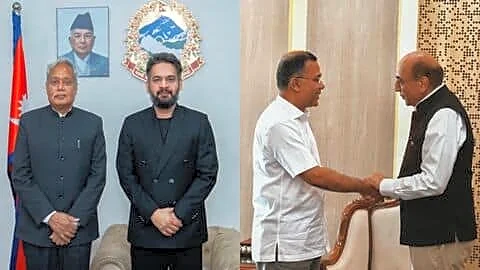
Indian High Commissioner to Bangladesh Dinesh Trivedi met Prime Minister Tarique Rahman on Monday, August 10, marking their first formal interaction as New Delhi and Dhaka look to advance a bilateral reset amid renewed tensions over former Prime Minister Sheikh Hasina.
The meeting lasted around 30 minutes and covered issues of mutual interest, according to statements issued after the interaction.
Trivedi conveyed greetings from Prime Minister Narendra Modi and expressed India’s “intent to work together with the government and the people of Bangladesh in a positive, constructive and forward-looking manner,” the Indian High Commission in Dhaka said.
The two sides also discussed ways to strengthen bilateral relations through a “people-centric approach,” it added in a post on X.
The Bangladesh High Commission in New Delhi said the half-hour discussion was expected to contribute to cementing relations between the two countries. No detailed account of the specific bilateral issues raised during the meeting was immediately released.
Ahead of Monday’s meeting, Trivedi also held a one-on-one discussion with Bangladesh Foreign Minister Khalilur Rahman at State Guest House Padma on Sunday.
The interaction comes at a sensitive moment in the India-Bangladesh relationship, after Hasina’s virtual press interaction triggered a sharp protest from Bangladesh.
At a separate event at an Indian Visa Application Centre in Dhaka, the Indian envoy expressed optimism that a Modi-Rahman meeting would ease the bilateral strains in the relationship.
“When two leaders meet, a lot of problems are solved. I have full confidence,” Trivedi said. “We all respect Bangladesh PM Tarique Rahman a lot. He is a people’s person, and our PM is also a people’s person.”
Monday’s interaction was the latest in a series of meetings held by Trivedi since he arrived in Bangladesh in June. The former Union minister previously engaged with senior members of the new administration, including Humayun Kabir, adviser to the prime minister on foreign affairs, and Iqbal Hassan Mahmood, minister of power, energy and mineral resources. He has also held discussions with business representatives, including Mahbubur Rahman, president of the International Chamber of Commerce Bangladesh.
The Hasina factor
Former Bangladesh Prime Minister Sheikh Hasina joined a virtual media interaction at the Foreign Correspondents’ Club of South Asia in New Delhi using an audio-only link. Hasina used the interaction to reiterate her intention to return to Bangladesh in December, despite the possibility of being arrested and imprisoned upon her arrival.
“Whatever fate awaits me, I will return to my people,” Hasina said. “December is our victory month, so I want to go back in the month of December.”
She did not provide an exact date and said further details would be disclosed “when the time is right.”
Hasina has been based in India since she fled Dhaka on August 5, 2024, as a student-led uprising brought an end to her government. In November 2025, Bangladesh’s International Crimes Tribunal convicted her in absentia and sentenced her to death for crimes against humanity linked to the suppression of the uprising. Hasina has rejected the verdict.
Her appearance at the New Delhi event triggered a strongly worded response from Bangladesh’s Ministry of Foreign Affairs.
Dhaka said it was “outraged” that Hasina, whom it described as an “absconding convicted genocider,” had been allowed to interact with the media from New Delhi. It also said it regretted that the programme went ahead despite Bangladesh having conveyed its concerns to India about its possible ramifications on bilateral ties.
Those concerns had been raised during an earlier meeting between Kabir and Trivedi, when the Bangladeshi side discussed Hasina’s planned press conference with the Indian envoy and warned that political activities conducted from Indian territory could affect relations.
India distances itself from event
New Delhi has distanced itself from the event, both before and after it was held.
Before the conference, Ministry of External Affairs spokesperson Randhir Jaiswal said the programme was being organised by a private media body and had no connection with or endorsement from the Indian government.
“The government has no involvement whatsoever in it. Neither does it endorse any views that may be expressed at the forum,” Jaiswal said.
India reiterated its position after Bangladesh issued its protest and specifically distanced itself from Hasina’s criticism of the new government in Dhaka.
“The government had no role to play in what was an event by a private media entity,” Jaiswal said in a press briefing on August 7. “The government does not endorse what was said at the forum, especially with regard to the newly constituted government of Bangladesh.”
A cautious reset
Tarique Rahman became prime minister of Bangladesh after the Bangladesh Nationalist Party-led alliance secured a majority in the February 12 election. India has, since, adopted a balanced approach towards Bangladesh’s new leadership.
Foreign Secretary Vikram Misri and Lok Sabha Speaker Om Birla represented India at Rahman’s swearing-in ceremony on February 17. New Delhi subsequently invited him to undertake a bilateral visit to India.
A separate invitation was later extended for Rahman to attend the outreach session of the BRICS Summit in New Delhi in September in his capacity as chair of BIMSTEC (the Bay of Bengal Initiative for Multi-Sectoral Technical and Economic Cooperation). Bangladesh has not yet publicly confirmed whether Rahman will attend.
Also Read: Sheikh Hasina must be allowed to return, reconciliation is key for Bangladesh: Former envoy Veena Sikri
The meeting lasted around 30 minutes and covered issues of mutual interest, according to statements issued after the interaction.
Trivedi conveyed greetings from Prime Minister Narendra Modi and expressed India’s “intent to work together with the government and the people of Bangladesh in a positive, constructive and forward-looking manner,” the Indian High Commission in Dhaka said.
The two sides also discussed ways to strengthen bilateral relations through a “people-centric approach,” it added in a post on X.
The Bangladesh High Commission in New Delhi said the half-hour discussion was expected to contribute to cementing relations between the two countries. No detailed account of the specific bilateral issues raised during the meeting was immediately released.
Ahead of Monday’s meeting, Trivedi also held a one-on-one discussion with Bangladesh Foreign Minister Khalilur Rahman at State Guest House Padma on Sunday.
The interaction comes at a sensitive moment in the India-Bangladesh relationship, after Hasina’s virtual press interaction triggered a sharp protest from Bangladesh.
At a separate event at an Indian Visa Application Centre in Dhaka, the Indian envoy expressed optimism that a Modi-Rahman meeting would ease the bilateral strains in the relationship.
“When two leaders meet, a lot of problems are solved. I have full confidence,” Trivedi said. “We all respect Bangladesh PM Tarique Rahman a lot. He is a people’s person, and our PM is also a people’s person.”
Monday’s interaction was the latest in a series of meetings held by Trivedi since he arrived in Bangladesh in June. The former Union minister previously engaged with senior members of the new administration, including Humayun Kabir, adviser to the prime minister on foreign affairs, and Iqbal Hassan Mahmood, minister of power, energy and mineral resources. He has also held discussions with business representatives, including Mahbubur Rahman, president of the International Chamber of Commerce Bangladesh.
The Hasina factor
Former Bangladesh Prime Minister Sheikh Hasina joined a virtual media interaction at the Foreign Correspondents’ Club of South Asia in New Delhi using an audio-only link. Hasina used the interaction to reiterate her intention to return to Bangladesh in December, despite the possibility of being arrested and imprisoned upon her arrival.
“Whatever fate awaits me, I will return to my people,” Hasina said. “December is our victory month, so I want to go back in the month of December.”
She did not provide an exact date and said further details would be disclosed “when the time is right.”
Hasina has been based in India since she fled Dhaka on August 5, 2024, as a student-led uprising brought an end to her government. In November 2025, Bangladesh’s International Crimes Tribunal convicted her in absentia and sentenced her to death for crimes against humanity linked to the suppression of the uprising. Hasina has rejected the verdict.
Her appearance at the New Delhi event triggered a strongly worded response from Bangladesh’s Ministry of Foreign Affairs.
Dhaka said it was “outraged” that Hasina, whom it described as an “absconding convicted genocider,” had been allowed to interact with the media from New Delhi. It also said it regretted that the programme went ahead despite Bangladesh having conveyed its concerns to India about its possible ramifications on bilateral ties.
Those concerns had been raised during an earlier meeting between Kabir and Trivedi, when the Bangladeshi side discussed Hasina’s planned press conference with the Indian envoy and warned that political activities conducted from Indian territory could affect relations.
India distances itself from event
New Delhi has distanced itself from the event, both before and after it was held.
Before the conference, Ministry of External Affairs spokesperson Randhir Jaiswal said the programme was being organised by a private media body and had no connection with or endorsement from the Indian government.
“The government has no involvement whatsoever in it. Neither does it endorse any views that may be expressed at the forum,” Jaiswal said.
India reiterated its position after Bangladesh issued its protest and specifically distanced itself from Hasina’s criticism of the new government in Dhaka.
“The government had no role to play in what was an event by a private media entity,” Jaiswal said in a press briefing on August 7. “The government does not endorse what was said at the forum, especially with regard to the newly constituted government of Bangladesh.”
A cautious reset
Tarique Rahman became prime minister of Bangladesh after the Bangladesh Nationalist Party-led alliance secured a majority in the February 12 election. India has, since, adopted a balanced approach towards Bangladesh’s new leadership.
Foreign Secretary Vikram Misri and Lok Sabha Speaker Om Birla represented India at Rahman’s swearing-in ceremony on February 17. New Delhi subsequently invited him to undertake a bilateral visit to India.
A separate invitation was later extended for Rahman to attend the outreach session of the BRICS Summit in New Delhi in September in his capacity as chair of BIMSTEC (the Bay of Bengal Initiative for Multi-Sectoral Technical and Economic Cooperation). Bangladesh has not yet publicly confirmed whether Rahman will attend.
Also Read: Sheikh Hasina must be allowed to return, reconciliation is key for Bangladesh: Former envoy Veena Sikri




/images/ppid_59c68470-image-178637502710344828.webp)