/images/ppid_59c68470-image-177583756539625775.webp)

/images/ppid_59c68470-image-177563002819132492.webp)
/images/ppid_a911dc6a-image-177564404027877919.webp)
What is the story about?
Iran’s insistence on including Lebanon in a ceasefire framework is more of a negotiating lever than a deal breaker, former ambassador DP Srivastava said, even as rising tensions in West Asia threaten global oil flows and economic stability.
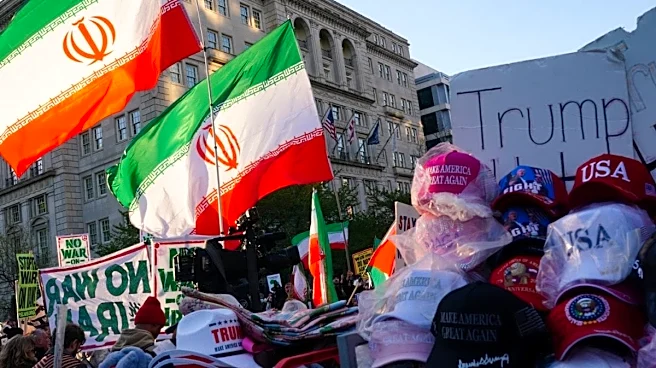
Speaking to CNBC-TV18, Srivastava said it is still too early to conclude whether Tehran’s position could derail talks with the United States, adding that broader diplomatic compulsions will likely keep negotiations on track. “The Iranians would like the ceasefire to be extended to other countries as well… but let’s wait for the talks to start to find out what the Iranian side actually does,” he said.
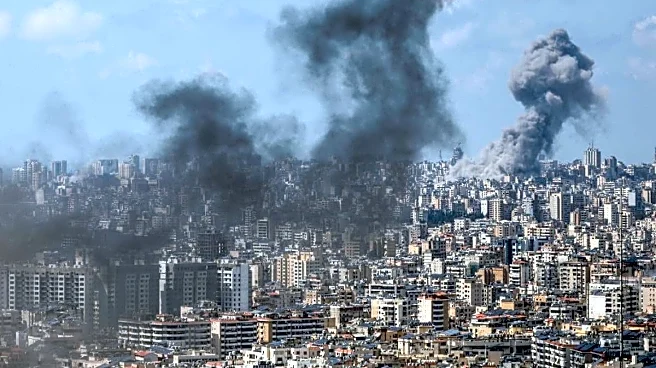
His comments come as Israel continues strikes on Lebanon and pushes ahead with operations against Hezbollah, even while signalling openness to negotiations. Iran has called the strikes a violation of the ceasefire and maintains that Lebanon must be included in any agreement, a position rejected by the US and Israel.
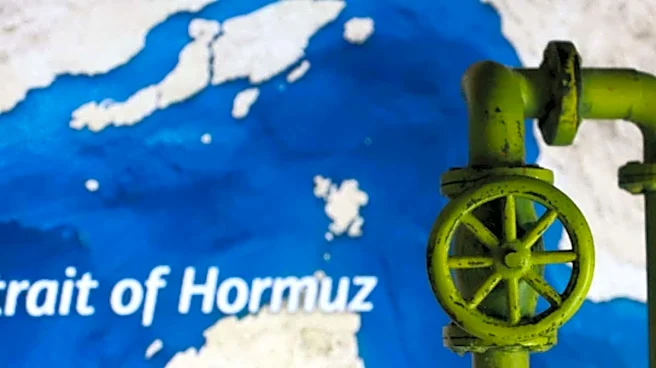
Srivastava underlined that all sides have strong incentives to keep talks alive, particularly given the strategic importance of the Strait of Hormuz. “There’s no way the Strait of Hormuz can be kept open through the use of force. So it is only negotiations, and this opportunity should not be thrown away,” he said, warning that a breakdown in talks would pose serious challenges for Washington.
Echoing the geopolitical stakes, Adam Dixon of Panmure House, said Iran’s Lebanon stance reflects its broader regional strategy, particularly its ties with Hezbollah. He noted that Tehran’s demand is effectively aimed at protecting its influence. At the same time, he suggested there could be room for de-escalation. “I would expect that… we will see some sort of pause from Israel,” Dixon said, adding that such a pause could enable negotiations and help stabilise critical shipping routes.
However, the disruption to oil flows through the Strait of Hormuz appears to be driven less by direct military threats and more by commercial risk. Dixon pointed out that insurers are unwilling to underwrite cargo moving through the region, creating a bottleneck for global shipping.
That assessment was reinforced by Iman Nasseri of FGE NexantECA, who said tanker traffic has sharply declined since the conflict escalated. “Flows have stopped… mainly because ship owners are not willing to take the risk… largely due to the lack of war-risk insurance policies,” he said. Even where insurance is available, the cost has become prohibitive, discouraging shipments.
Nasseri added that the disruption could persist even if political assurances are given. “Even if Iran says the Strait is open… it all comes back to… are ship owners ready, willing, and able to take the risk,” he said, indicating that flows are likely to remain “significantly disrupted and limited”.
He also pointed to the emergence of informal mechanisms to secure safe passage, noting that some shipping companies have paid substantial sums to move cargo through the Strait. These arrangements, he said, are not officially mandated but reflect wartime conditions and coordination requirements.
The economic implications of the conflict are already visible. Srivastava noted that crude prices surged sharply following the escalation, warning that prolonged disruption could have wider consequences. “Unless this war is stopped, it has the potential to push the global economy into recession,” he said, adding that every $1 increase in crude prices raises India’s annual import bill by about $2 billion.
Also Read | Trump says Iran doing ‘very poor job’ of allowing oil through Strait of Hormuz
The conflict has also drawn in regional and global stakeholders, with Gulf nations facing direct and collateral damage to energy infrastructure, and political pressure mounting in the United States. Despite these challenges, Srivastava said there is a clear convergence among major players on the need for dialogue.
While uncertainties remain — particularly around Israel’s military posture — he said the broader alignment of interests should ultimately lead to talks proceeding. “The only way forward is negotiation… this convergence should still lead to talks taking place,” he said.
Speaking to CNBC-TV18, Srivastava said it is still too early to conclude whether Tehran’s position could derail talks with the United States, adding that broader diplomatic compulsions will likely keep negotiations on track. “The Iranians would like the ceasefire to be extended to other countries as well… but let’s wait for the talks to start to find out what the Iranian side actually does,” he said.
His comments come as Israel continues strikes on Lebanon and pushes ahead with operations against Hezbollah, even while signalling openness to negotiations. Iran has called the strikes a violation of the ceasefire and maintains that Lebanon must be included in any agreement, a position rejected by the US and Israel.
Srivastava underlined that all sides have strong incentives to keep talks alive, particularly given the strategic importance of the Strait of Hormuz. “There’s no way the Strait of Hormuz can be kept open through the use of force. So it is only negotiations, and this opportunity should not be thrown away,” he said, warning that a breakdown in talks would pose serious challenges for Washington.
Echoing the geopolitical stakes, Adam Dixon of Panmure House, said Iran’s Lebanon stance reflects its broader regional strategy, particularly its ties with Hezbollah. He noted that Tehran’s demand is effectively aimed at protecting its influence. At the same time, he suggested there could be room for de-escalation. “I would expect that… we will see some sort of pause from Israel,” Dixon said, adding that such a pause could enable negotiations and help stabilise critical shipping routes.
However, the disruption to oil flows through the Strait of Hormuz appears to be driven less by direct military threats and more by commercial risk. Dixon pointed out that insurers are unwilling to underwrite cargo moving through the region, creating a bottleneck for global shipping.
That assessment was reinforced by Iman Nasseri of FGE NexantECA, who said tanker traffic has sharply declined since the conflict escalated. “Flows have stopped… mainly because ship owners are not willing to take the risk… largely due to the lack of war-risk insurance policies,” he said. Even where insurance is available, the cost has become prohibitive, discouraging shipments.
Nasseri added that the disruption could persist even if political assurances are given. “Even if Iran says the Strait is open… it all comes back to… are ship owners ready, willing, and able to take the risk,” he said, indicating that flows are likely to remain “significantly disrupted and limited”.
He also pointed to the emergence of informal mechanisms to secure safe passage, noting that some shipping companies have paid substantial sums to move cargo through the Strait. These arrangements, he said, are not officially mandated but reflect wartime conditions and coordination requirements.
The economic implications of the conflict are already visible. Srivastava noted that crude prices surged sharply following the escalation, warning that prolonged disruption could have wider consequences. “Unless this war is stopped, it has the potential to push the global economy into recession,” he said, adding that every $1 increase in crude prices raises India’s annual import bill by about $2 billion.
Also Read | Trump says Iran doing ‘very poor job’ of allowing oil through Strait of Hormuz
The conflict has also drawn in regional and global stakeholders, with Gulf nations facing direct and collateral damage to energy infrastructure, and political pressure mounting in the United States. Despite these challenges, Srivastava said there is a clear convergence among major players on the need for dialogue.
While uncertainties remain — particularly around Israel’s military posture — he said the broader alignment of interests should ultimately lead to talks proceeding. “The only way forward is negotiation… this convergence should still lead to talks taking place,” he said.


/images/ppid_59c68470-image-177567507260858689.webp)

/images/ppid_a911dc6a-image-177567268502346870.webp)

/images/ppid_a911dc6a-image-177571943153228355.webp)
/images/ppid_59c68470-image-177581502768143739.webp)
/images/ppid_59c68470-image-177558509783844672.webp)