/images/ppid_59c68470-image-177946505799194879.webp)


/images/ppid_59c68470-image-177933010685567801.webp)
What is the story about?
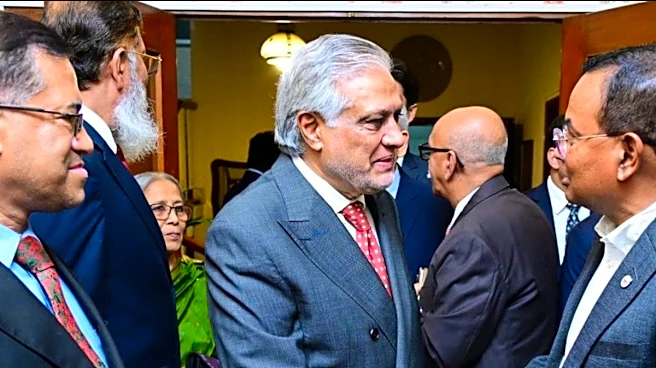
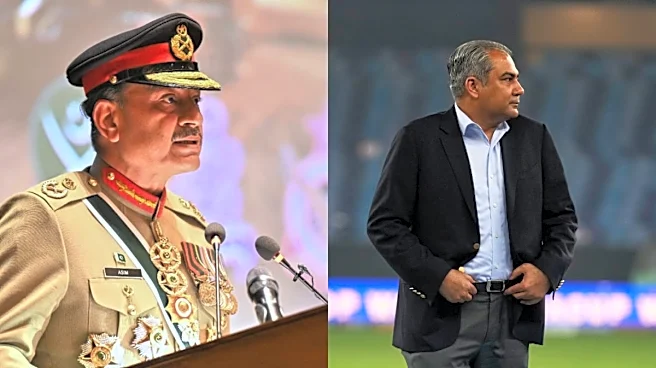
Pakistan Army Chief Field Marshal Asim Munir on Friday left for a crucial visit to Tehran amidst efforts to broker a peace deal between the US and Iran to end the war in the region, according to security sources.
His second visit to Tehran in little more than a month comes after progress was reported in talks held by Interior Minister Mohsin Naqvi, who has been in Iran since Wednesday, with top Iranian leadership, including twice with Foreign Minister Abbas Araghchi, according to sources.
Field Marshal Munir will meet with important Iranian dignitaries and discuss Iran-US talks, peace in the region and other important issues during his visit to Iran, they said.
Separately, Iran's state-run Press TV quoted the official IRNA news agency as saying that Field Marshal Munir is en route to Tehran to hold talks with Iranian officials.
His visit comes after Foreign Office spokesperson Tahir Andrabi, when asked about it, said he could "neither deny nor confirm" reports about a “high-level delegation” visiting Iran from Pakistan.
US Secretary of State Marco Rubio on Thursday said he believed that “Pakistanis will be travelling to Tehran today”, while Naqvi was already in Tehran and holding meetings with the political leadership.
Rubio also said that despite 'good signs' in Iran talks, 'other options' remain on the table. "I don't want to get ahead of it ... I think we've made some progress,” Rubio said.
Andrabi earlier said that Rubio’s statement was in reference to Naqvi’s visit to Iran and not any other visit. He also said that Pakistani leadership was in touch with the Iranian President, adding that “this is part of engagements with neighbouring countries”.
Munir dashed to Tehran after Interior Minister Naqvi held two rounds of talks with Iranian Foreign Minister Araghchi as part of efforts to end the conflict in the region.
Naqvi landed in Tehran on Wednesday on an unannounced visit, his second in less than a week, aiming to reduce the differences between Tehran and Washington.
He has already met the top Iranian leadership, including President Masoud Pezeshkian, Iran's interior minister, and other senior officials.
Foreign Minister Araghchi met Naqvi on Thursday and Friday to review proposals for resolving disputes, Iran's semi-official Tasnim News agency reported.
Naqvi and Araghchi discussed detailed proposals aimed at ending the US-Iran conflict, Geo News reported, quoting Iran's official media.
It added that the two leaders also reviewed possible mechanisms for establishing long-term stability and peace in the region.
Citing sources, the channel reported that Naqvi will continue his stay in Tehran on Friday and hold a series of important meetings related to ongoing US-Iran negotiations and discussions on regional diplomatic efforts.
Pakistan authorities have not commented on the engagements of Naqvi in Iran. Pakistan has been maintaining discreet silence on the key diplomatic outreach.
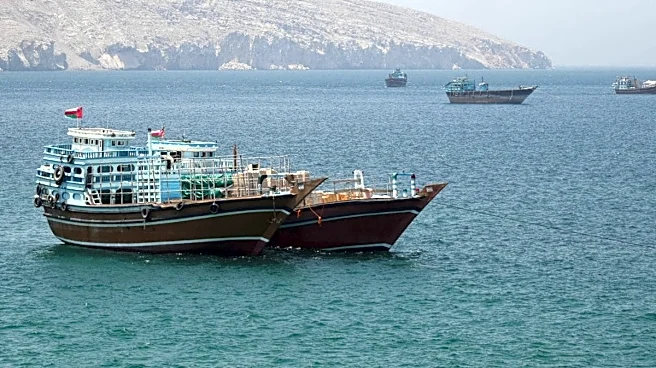
The US and Israel launched coordinated attacks on Iran on February 28, assassinating senior Iranian officials and commanders and targeting civilian infrastructure, residential areas, educational institutes, and historical and cultural sites.
In response, the Iranian forces fired hundreds of drones and missiles, targeting sensitive and strategic American and Israeli targets throughout the region.
On April 8, Tehran and Washington reached a two-week ceasefire brokered by Pakistan, followed by inconclusive negotiations to permanently end the war. At the end of two weeks, Trump further extended the ceasefire, without giving any deadline.
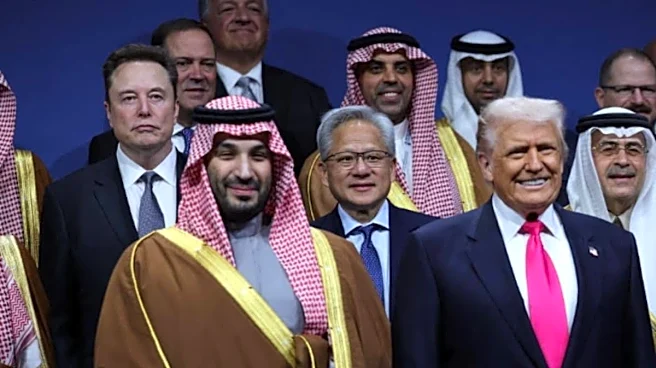
Trump on Tuesday offered a deadline of several days for resuming strikes if a deal is not agreed. He had said a day earlier that Gulf Arab leaders asked him to hold off on an attack at the 11th hour.
On the other hand, Iranian Foreign Minister Araghchi warned that a "return to war will feature many more surprises".
Separately, the Revolutionary Guards issued a warning that any further attack on Iran will "lead to a conflict that extends far beyond the borders of West Asia."
Both Munir and Naqvi visited Tehran last month and held talks with top Iranian leaders. However, despite Pakistan’s non-stop diplomatic push, Iran and the US were unable to bridge their differences. The country hosted Iran and the US last month for a crucial face-to-face meeting, but it failed to clinch the deal.
His second visit to Tehran in little more than a month comes after progress was reported in talks held by Interior Minister Mohsin Naqvi, who has been in Iran since Wednesday, with top Iranian leadership, including twice with Foreign Minister Abbas Araghchi, according to sources.
Field Marshal Munir will meet with important Iranian dignitaries and discuss Iran-US talks, peace in the region and other important issues during his visit to Iran, they said.
Separately, Iran's state-run Press TV quoted the official IRNA news agency as saying that Field Marshal Munir is en route to Tehran to hold talks with Iranian officials.
His visit comes after Foreign Office spokesperson Tahir Andrabi, when asked about it, said he could "neither deny nor confirm" reports about a “high-level delegation” visiting Iran from Pakistan.
US Secretary of State Marco Rubio on Thursday said he believed that “Pakistanis will be travelling to Tehran today”, while Naqvi was already in Tehran and holding meetings with the political leadership.
Rubio also said that despite 'good signs' in Iran talks, 'other options' remain on the table. "I don't want to get ahead of it ... I think we've made some progress,” Rubio said.
Andrabi earlier said that Rubio’s statement was in reference to Naqvi’s visit to Iran and not any other visit. He also said that Pakistani leadership was in touch with the Iranian President, adding that “this is part of engagements with neighbouring countries”.
Munir dashed to Tehran after Interior Minister Naqvi held two rounds of talks with Iranian Foreign Minister Araghchi as part of efforts to end the conflict in the region.
Naqvi landed in Tehran on Wednesday on an unannounced visit, his second in less than a week, aiming to reduce the differences between Tehran and Washington.
He has already met the top Iranian leadership, including President Masoud Pezeshkian, Iran's interior minister, and other senior officials.
Foreign Minister Araghchi met Naqvi on Thursday and Friday to review proposals for resolving disputes, Iran's semi-official Tasnim News agency reported.
Naqvi and Araghchi discussed detailed proposals aimed at ending the US-Iran conflict, Geo News reported, quoting Iran's official media.
It added that the two leaders also reviewed possible mechanisms for establishing long-term stability and peace in the region.
Citing sources, the channel reported that Naqvi will continue his stay in Tehran on Friday and hold a series of important meetings related to ongoing US-Iran negotiations and discussions on regional diplomatic efforts.
Pakistan authorities have not commented on the engagements of Naqvi in Iran. Pakistan has been maintaining discreet silence on the key diplomatic outreach.
The US and Israel launched coordinated attacks on Iran on February 28, assassinating senior Iranian officials and commanders and targeting civilian infrastructure, residential areas, educational institutes, and historical and cultural sites.
In response, the Iranian forces fired hundreds of drones and missiles, targeting sensitive and strategic American and Israeli targets throughout the region.
On April 8, Tehran and Washington reached a two-week ceasefire brokered by Pakistan, followed by inconclusive negotiations to permanently end the war. At the end of two weeks, Trump further extended the ceasefire, without giving any deadline.
Trump on Tuesday offered a deadline of several days for resuming strikes if a deal is not agreed. He had said a day earlier that Gulf Arab leaders asked him to hold off on an attack at the 11th hour.
On the other hand, Iranian Foreign Minister Araghchi warned that a "return to war will feature many more surprises".
Separately, the Revolutionary Guards issued a warning that any further attack on Iran will "lead to a conflict that extends far beyond the borders of West Asia."
Both Munir and Naqvi visited Tehran last month and held talks with top Iranian leaders. However, despite Pakistan’s non-stop diplomatic push, Iran and the US were unable to bridge their differences. The country hosted Iran and the US last month for a crucial face-to-face meeting, but it failed to clinch the deal.
/images/ppid_59c68470-image-177934756370356203.webp)
/images/ppid_59c68470-image-177936754262031521.webp)


/images/ppid_59c68470-image-177946002860626464.webp)
/images/ppid_59c68470-image-177943255742736214.webp)
/images/ppid_59c68470-image-177932503100195717.webp)