/images/ppid_59c68470-image-177930503040322527.webp)

/images/ppid_a911dc6a-image-177908362545885421.webp)
/images/ppid_59c68470-image-177908502896499046.webp)
What is the story about?
Soumya Swaminathan has called for greater global cooperation to tackle the ongoing Ebola outbreak in Africa, warning that infectious diseases can quickly cross borders and that countries must work together to prevent future health crises.
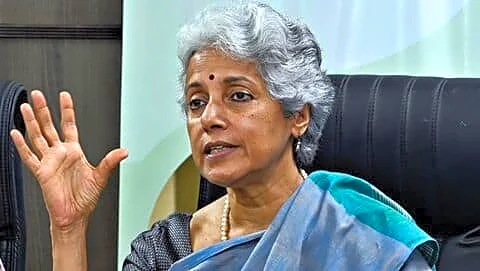
Speaking to CNBC-TV18, the former chief scientist of the World Health Organization said the current outbreak was a reminder that “viruses do not respect national boundaries” and stressed that the world needed to respond collectively to dangerous zoonotic diseases.
“We need global solidarity and collaboration to be able to deal with these things,” Swaminathan said. “In this world, we are all interdependent. Viruses do not respect national boundaries, and so we need to think of humanity as one.”
Her comments come as the WHO said Ebola has claimed nearly 140 lives, with more than 600 suspected cases reported so far. Officials have warned that the numbers could rise further because the outbreak remained undetected for a long time.
The WHO emergency committee has declared the outbreak of the rare Bundibugyo strain of Ebola a public health emergency. Unlike the more common Zaire strain, which has approved vaccines and treatments, the Bundibugyo strain currently has no approved vaccine or therapeutics.
Swaminathan said the outbreak was particularly concerning because existing diagnostic tools designed for the Zaire strain initially failed to detect the virus.
“This outbreak of Ebola is concerning for several reasons. The first one is that it was detected quite late,” she said, adding that rapid molecular testing tools developed for the Zaire strain “did not work” for the current outbreak.
She also pointed to the fragile healthcare infrastructure in the affected regions, including conflict-hit areas of Congo and Uganda, as a major challenge in controlling the spread.
“The outbreak is, as usual, in a region which has many problems, including conflict, a lot of population movement, including across national borders, and a very poor health system,” she said.
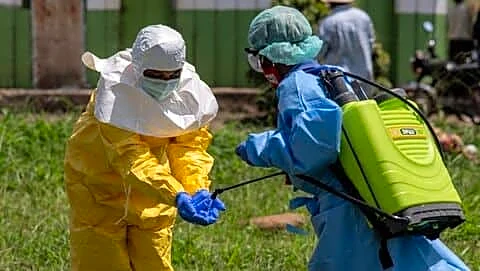
Swaminathan said the lack of vaccines and treatments for the current strain meant authorities were left with limited options, including tracing contacts, isolating infected patients and strengthening supportive care.
The WHO has stopped short of declaring the outbreak a pandemic emergency, saying the global risk remains low even though the local risk is high. The emergency declaration over the weekend marked the first time a WHO chief invoked such powers without first consulting experts.
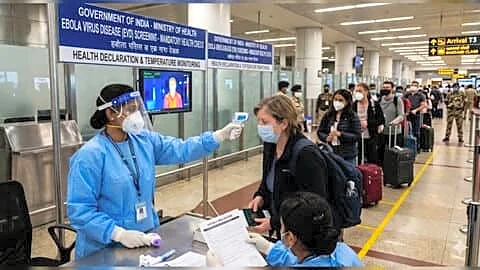
While the chances of widespread international transmission remain limited, Swaminathan warned that global air travel and population movement meant no country could afford to ignore the outbreak.
“The next pathogen could be a different one, and it could arise anywhere in the world,” she said.
She also highlighted the impact of funding cuts on outbreak response efforts, noting that reductions in USAID support had weakened healthcare infrastructure and staffing in the affected regions.
Swaminathan said India could play an important role in the global response by supplying medical equipment, protective gear and emergency healthcare infrastructure.
“India is one of the largest manufacturers of medical goods and devices,” she said. “We could offer to supply gloves, gowns, personal protective equipment, hospital supplies, IV fluids and intensive care equipment.”
Also Read | WHO warns as Bundibugyo Ebola spreads from Congo to Uganda amid resource gaps
She added that India’s research institutions, manufacturing sector and healthcare workforce could contribute to the development of diagnostics and future medical countermeasures for emerging infectious diseases.
The last major Ebola outbreak between 2014 and 2016 infected more than 28,000 people and was the deadliest since the virus was first identified in 1976. Symptoms usually begin suddenly with fever, headache and fatigue before progressing to vomiting, diarrhoea and, in severe cases, internal bleeding, organ failure and death.
Speaking to CNBC-TV18, the former chief scientist of the World Health Organization said the current outbreak was a reminder that “viruses do not respect national boundaries” and stressed that the world needed to respond collectively to dangerous zoonotic diseases.
“We need global solidarity and collaboration to be able to deal with these things,” Swaminathan said. “In this world, we are all interdependent. Viruses do not respect national boundaries, and so we need to think of humanity as one.”
Her comments come as the WHO said Ebola has claimed nearly 140 lives, with more than 600 suspected cases reported so far. Officials have warned that the numbers could rise further because the outbreak remained undetected for a long time.
The WHO emergency committee has declared the outbreak of the rare Bundibugyo strain of Ebola a public health emergency. Unlike the more common Zaire strain, which has approved vaccines and treatments, the Bundibugyo strain currently has no approved vaccine or therapeutics.
Swaminathan said the outbreak was particularly concerning because existing diagnostic tools designed for the Zaire strain initially failed to detect the virus.
“This outbreak of Ebola is concerning for several reasons. The first one is that it was detected quite late,” she said, adding that rapid molecular testing tools developed for the Zaire strain “did not work” for the current outbreak.
She also pointed to the fragile healthcare infrastructure in the affected regions, including conflict-hit areas of Congo and Uganda, as a major challenge in controlling the spread.
“The outbreak is, as usual, in a region which has many problems, including conflict, a lot of population movement, including across national borders, and a very poor health system,” she said.
Swaminathan said the lack of vaccines and treatments for the current strain meant authorities were left with limited options, including tracing contacts, isolating infected patients and strengthening supportive care.
The WHO has stopped short of declaring the outbreak a pandemic emergency, saying the global risk remains low even though the local risk is high. The emergency declaration over the weekend marked the first time a WHO chief invoked such powers without first consulting experts.
While the chances of widespread international transmission remain limited, Swaminathan warned that global air travel and population movement meant no country could afford to ignore the outbreak.
“The next pathogen could be a different one, and it could arise anywhere in the world,” she said.
She also highlighted the impact of funding cuts on outbreak response efforts, noting that reductions in USAID support had weakened healthcare infrastructure and staffing in the affected regions.
Swaminathan said India could play an important role in the global response by supplying medical equipment, protective gear and emergency healthcare infrastructure.
“India is one of the largest manufacturers of medical goods and devices,” she said. “We could offer to supply gloves, gowns, personal protective equipment, hospital supplies, IV fluids and intensive care equipment.”
Also Read | WHO warns as Bundibugyo Ebola spreads from Congo to Uganda amid resource gaps
She added that India’s research institutions, manufacturing sector and healthcare workforce could contribute to the development of diagnostics and future medical countermeasures for emerging infectious diseases.
The last major Ebola outbreak between 2014 and 2016 infected more than 28,000 people and was the deadliest since the virus was first identified in 1976. Symptoms usually begin suddenly with fever, headache and fatigue before progressing to vomiting, diarrhoea and, in severe cases, internal bleeding, organ failure and death.


/images/ppid_59c68470-image-177906763992862930.webp)
/images/ppid_a911dc6a-image-177907525576828384.webp)
