/images/ppid_59c68470-image-178066757344654423.webp)

/images/ppid_59c68470-image-17804725310618727.webp)
/images/ppid_59c68470-image-178041004501944877.webp)
What is the story about?
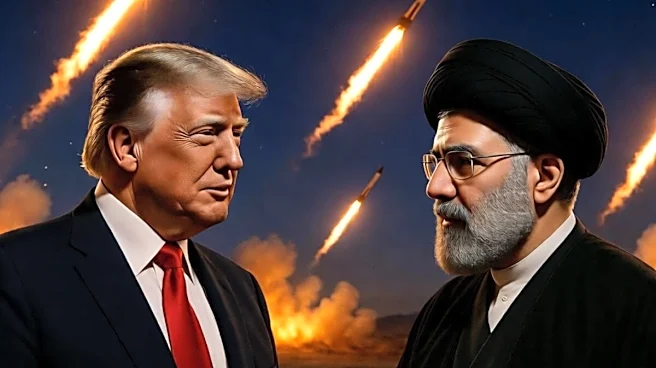
The escalating tensions between Iran and the United States could evolve into a prolonged war of attrition, creating fresh risks for global oil markets and energy security, according to foreign affairs analyst and author Zorawar Daulet Singh.
Speaking to CNBC-TV18 amid renewed instability in West Asia, Singh said hopes for a broader diplomatic breakthrough between Washington and Tehran have faded as the region slips back into confrontation.
“I think we are in a state where this conflict will keep dragging on in some kind of war of attrition,” Singh said, warning that such a scenario would be negative for both the global economy and energy markets.
His remarks come after a US-brokered ceasefire between Israel and Lebanon unravelled within hours of being announced. Israel launched fresh strikes in Lebanon, while Hezbollah rejected the truce and warned that northern Israel would remain a target. The renewed violence has added to uncertainty across the region and kept oil markets on edge.
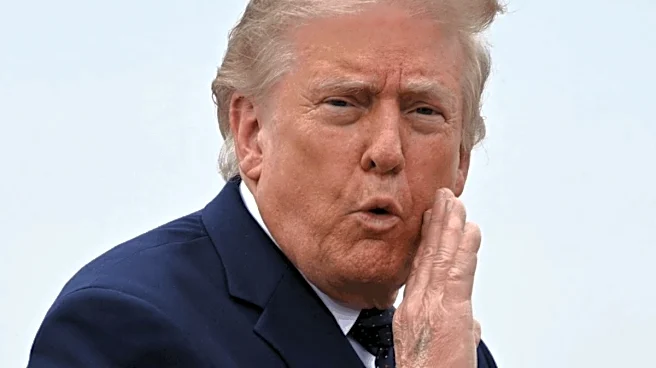
Earlier in the day, US President Donald Trump said talks with Iran were “going well”. However, Iranian Foreign Minister Abbas Araghchi pushed back against that assessment, saying there had been no significant progress. Trump also warned that any attack resulting in the death of US troops would be a red line and could trigger a wider conflict with Iran.
According to Singh, the ceasefire process has failed to develop into the comprehensive dialogue that many had expected between Iran and the United States. Instead, he argued that Washington has struggled to translate economic pressure into political outcomes while regional flashpoints continue to simmer.
“What we are now seeing is that we've reached a tipping point, at least in this phase, where the Iranians are pushing back and sending signals that they are ready to ratchet up pressure,” he said.
Singh added that while Trump's recent comments suggest an effort to calm tensions, the broader challenge remains unresolved. “The United States simply cannot reach a peace deal with Iran,” he said.
The analyst warned that a prolonged confrontation comes at a sensitive time for global energy markets. He noted that oil inventories and petroleum product stocks are already approaching low levels, making markets more vulnerable to supply disruptions and geopolitical shocks.
Robinder Sachdev, President of IMAGINDIA Institute, said the conflict has also altered the strategic balance in the region. According to him, Iran has gained new leverage through its ability to influence shipping through the Strait of Hormuz, one of the world's most critical energy chokepoints.
“What the war yielded, in my view, and what the peace talks and ceasefire period have yielded, is another major hurdle in the form of the Hezbollah issue,” Sachdev said. He argued that Tehran now appears to be prioritising Hezbollah-related concerns ahead of discussions on the Strait of Hormuz and its uranium programme.
Sachdev also suggested that reports of tensions between Trump and Israeli Prime Minister Benjamin Netanyahu could be part of a broader effort to signal restraint to Iran. However, he maintained that Washington continues to wield enormous influence over Israel despite occasional public disagreements.
The uncertainty in West Asia is being closely watched in India, where policymakers are assessing energy security risks and alternative crude supply options. The developments coincide with a visit by Venezuela's acting President Delcy Rodriguez, who is in India to explore expanded cooperation in the oil and gas sector.
Also Read | Hezbollah rejection clouds Lebanon ceasefire and prospects for ending Iran war
Rodriguez met Petroleum Minister Hardeep Singh Puri and senior executives from India's leading energy companies. Puri said Indian firms are looking to deepen existing investments in Venezuela while also exploring new opportunities. An Indian technical team is expected to visit Venezuela soon to assess potential energy projects.
While Singh acknowledged that Venezuelan crude could offer India an additional source of supply, he argued that it cannot replace the scale of imports currently coming from Russia or the Middle East. He said India should continue strengthening its energy partnership with Russia while using its growing strategic importance to negotiate better terms with other partners.
Speaking to CNBC-TV18 amid renewed instability in West Asia, Singh said hopes for a broader diplomatic breakthrough between Washington and Tehran have faded as the region slips back into confrontation.
“I think we are in a state where this conflict will keep dragging on in some kind of war of attrition,” Singh said, warning that such a scenario would be negative for both the global economy and energy markets.
His remarks come after a US-brokered ceasefire between Israel and Lebanon unravelled within hours of being announced. Israel launched fresh strikes in Lebanon, while Hezbollah rejected the truce and warned that northern Israel would remain a target. The renewed violence has added to uncertainty across the region and kept oil markets on edge.
Earlier in the day, US President Donald Trump said talks with Iran were “going well”. However, Iranian Foreign Minister Abbas Araghchi pushed back against that assessment, saying there had been no significant progress. Trump also warned that any attack resulting in the death of US troops would be a red line and could trigger a wider conflict with Iran.
According to Singh, the ceasefire process has failed to develop into the comprehensive dialogue that many had expected between Iran and the United States. Instead, he argued that Washington has struggled to translate economic pressure into political outcomes while regional flashpoints continue to simmer.
“What we are now seeing is that we've reached a tipping point, at least in this phase, where the Iranians are pushing back and sending signals that they are ready to ratchet up pressure,” he said.
Singh added that while Trump's recent comments suggest an effort to calm tensions, the broader challenge remains unresolved. “The United States simply cannot reach a peace deal with Iran,” he said.
The analyst warned that a prolonged confrontation comes at a sensitive time for global energy markets. He noted that oil inventories and petroleum product stocks are already approaching low levels, making markets more vulnerable to supply disruptions and geopolitical shocks.
Robinder Sachdev, President of IMAGINDIA Institute, said the conflict has also altered the strategic balance in the region. According to him, Iran has gained new leverage through its ability to influence shipping through the Strait of Hormuz, one of the world's most critical energy chokepoints.
“What the war yielded, in my view, and what the peace talks and ceasefire period have yielded, is another major hurdle in the form of the Hezbollah issue,” Sachdev said. He argued that Tehran now appears to be prioritising Hezbollah-related concerns ahead of discussions on the Strait of Hormuz and its uranium programme.
Sachdev also suggested that reports of tensions between Trump and Israeli Prime Minister Benjamin Netanyahu could be part of a broader effort to signal restraint to Iran. However, he maintained that Washington continues to wield enormous influence over Israel despite occasional public disagreements.
The uncertainty in West Asia is being closely watched in India, where policymakers are assessing energy security risks and alternative crude supply options. The developments coincide with a visit by Venezuela's acting President Delcy Rodriguez, who is in India to explore expanded cooperation in the oil and gas sector.
Also Read | Hezbollah rejection clouds Lebanon ceasefire and prospects for ending Iran war
Rodriguez met Petroleum Minister Hardeep Singh Puri and senior executives from India's leading energy companies. Puri said Indian firms are looking to deepen existing investments in Venezuela while also exploring new opportunities. An Indian technical team is expected to visit Venezuela soon to assess potential energy projects.
While Singh acknowledged that Venezuelan crude could offer India an additional source of supply, he argued that it cannot replace the scale of imports currently coming from Russia or the Middle East. He said India should continue strengthening its energy partnership with Russia while using its growing strategic importance to negotiate better terms with other partners.


/images/ppid_59c68470-image-178057263734370325.webp)
/images/ppid_59c68470-image-178049253638238043.webp)
/images/ppid_59c68470-image-17805525315584855.webp)
/images/ppid_59c68470-image-178053760801243676.webp)
/images/ppid_59c68470-image-178040014191388220.webp)