/images/ppid_59c68470-image-177005753275452040.webp)


What is the story about?
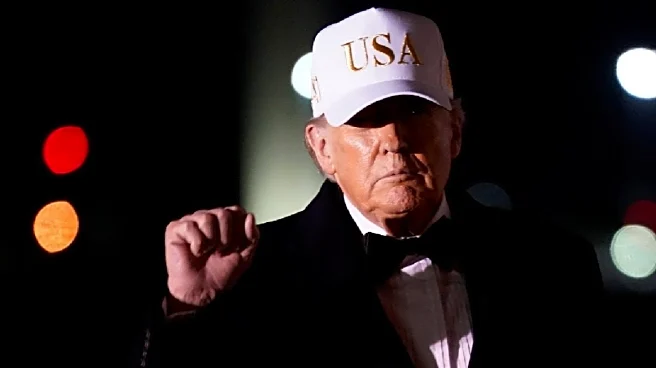
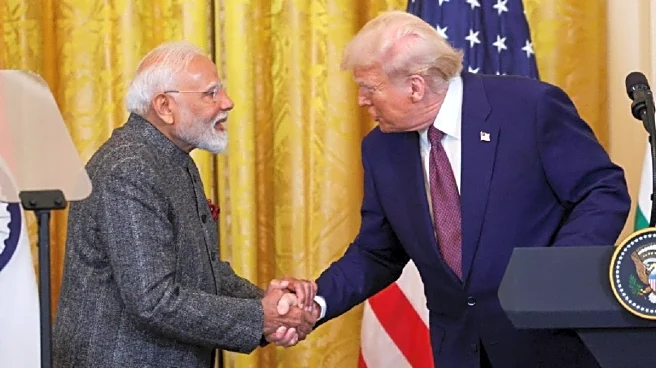
India on Monday (February 2) has clinched a landmark trade agreement with the United States, with US President Donald Trump announcing an immediate reduction in reciprocal tariffs on Indian exports to 18% from 25%, marking a decisive end to a year-long tariff dispute marked by escalating duties and tough negotiations.
The breakthrough was confirmed on February 2 after a phone call between Trump and Prime Minister Narendra Modi, bringing immediate tariff relief to Indian exporters and signalling a reset in bilateral trade relations.
February 2026:
Trump announced that India and the US had agreed to a trade deal, effective immediately. The reciprocal tariff on India was lowered to 18% from 25%. Trump said the agreement was reached “out of friendship and respect” for Prime Minister Modi and added that India had committed to significantly increase purchases of US energy, technology and agricultural products, while moving to reduce tariff and non-tariff barriers.
January 2026:
Newly appointed US envoy to India Sergio Gor said both countries were actively engaged in discussions and were edging closer to a trade agreement, raising expectations of a breakthrough after months of deadlock.
December 2025:
Prime Minister Modi confirmed that he had a “very warm and engaging” phone call with Trump, during which regional and global developments were discussed. At the time, India was trimming Russian crude imports, and a US trade delegation was in Delhi for prolonged negotiations, although no official readout was issued by Washington.
November 2025:
Negotiations continued largely behind closed doors, with both sides maintaining dialogue but refraining from making public commitments or announcements.
October 2025:
Trump claimed he had spoken to Modi, saying the Indian Prime Minister had agreed to stop buying Russian oil — a claim later denied by India’s External Affairs Ministry, which reiterated that energy decisions are guided by national interest.
September 2025:
Trump struck a more conciliatory tone, saying negotiations were ongoing and that he would speak to Modi soon. Modi echoed the optimism, describing India and the US as “close friends and natural partners” working to conclude talks at the earliest.
August 2025:
Trade tensions peaked after the US imposed a cumulative 50% tariff on Indian exports, including a 25% duty and an additional 25% penal levy linked to India’s purchase of Russian oil. Washington also warned of further tariffs targeting BRICS nations.
July 2025:
A fifth round of talks failed to yield a breakthrough. On July 31, Trump imposed a 25% tariff on Indian imports and warned of further penalties. Earlier in the month, Commerce Minister Piyush Goyal said India would not rush into deals merely to meet deadlines, stressing that national interest would remain paramount.
June 2025:
While US Commerce Secretary Howard Lutnick said progress was being made, Indian officials indicated that negotiations had stalled over import duties, particularly on agricultural products. Prime Minister Modi declined Trump’s invitation to visit Washington during this period.
May 2025:
India’s negotiating team, led by Goyal and chief negotiator Rajesh Agrawal, returned to Washington for further talks, with New Delhi expressing cautious optimism that an agreement was within reach.
April 2025:
During US Vice President JD Vance’s visit to India, both sides finalised the terms of reference for negotiations, with officials indicating a deal could be concluded before July.
March 2025:
Bilateral talks gathered pace as Goyal met US Commerce Secretary Howard Lutnick and US Trade Representative Jamieson Greer in Washington. While negotiations progressed, the USTR flagged concerns over India’s tariffs, non-tariff barriers and regulatory issues.
Also read: India-US trade deal LIVE: Trump confirms pact, will lower tariffs immediately
February 2025:
Prime Minister Modi visited Washington and agreed to work towards a limited trade deal by autumn 2025, setting a target to expand bilateral trade to $500 billion by 2030 and pledging to increase India’s energy purchases from the US.
What began as cautious engagement in early 2025 culminated in February 2026 with a full-fledged trade agreement, marking a significant milestone in India-US economic relations.
The breakthrough was confirmed on February 2 after a phone call between Trump and Prime Minister Narendra Modi, bringing immediate tariff relief to Indian exporters and signalling a reset in bilateral trade relations.
February 2026:
Trump announced that India and the US had agreed to a trade deal, effective immediately. The reciprocal tariff on India was lowered to 18% from 25%. Trump said the agreement was reached “out of friendship and respect” for Prime Minister Modi and added that India had committed to significantly increase purchases of US energy, technology and agricultural products, while moving to reduce tariff and non-tariff barriers.
January 2026:
Newly appointed US envoy to India Sergio Gor said both countries were actively engaged in discussions and were edging closer to a trade agreement, raising expectations of a breakthrough after months of deadlock.
December 2025:
Prime Minister Modi confirmed that he had a “very warm and engaging” phone call with Trump, during which regional and global developments were discussed. At the time, India was trimming Russian crude imports, and a US trade delegation was in Delhi for prolonged negotiations, although no official readout was issued by Washington.
November 2025:
Negotiations continued largely behind closed doors, with both sides maintaining dialogue but refraining from making public commitments or announcements.
October 2025:
Trump claimed he had spoken to Modi, saying the Indian Prime Minister had agreed to stop buying Russian oil — a claim later denied by India’s External Affairs Ministry, which reiterated that energy decisions are guided by national interest.
September 2025:
Trump struck a more conciliatory tone, saying negotiations were ongoing and that he would speak to Modi soon. Modi echoed the optimism, describing India and the US as “close friends and natural partners” working to conclude talks at the earliest.
August 2025:
Trade tensions peaked after the US imposed a cumulative 50% tariff on Indian exports, including a 25% duty and an additional 25% penal levy linked to India’s purchase of Russian oil. Washington also warned of further tariffs targeting BRICS nations.
July 2025:
A fifth round of talks failed to yield a breakthrough. On July 31, Trump imposed a 25% tariff on Indian imports and warned of further penalties. Earlier in the month, Commerce Minister Piyush Goyal said India would not rush into deals merely to meet deadlines, stressing that national interest would remain paramount.
June 2025:
While US Commerce Secretary Howard Lutnick said progress was being made, Indian officials indicated that negotiations had stalled over import duties, particularly on agricultural products. Prime Minister Modi declined Trump’s invitation to visit Washington during this period.
May 2025:
India’s negotiating team, led by Goyal and chief negotiator Rajesh Agrawal, returned to Washington for further talks, with New Delhi expressing cautious optimism that an agreement was within reach.
April 2025:
During US Vice President JD Vance’s visit to India, both sides finalised the terms of reference for negotiations, with officials indicating a deal could be concluded before July.
March 2025:
Bilateral talks gathered pace as Goyal met US Commerce Secretary Howard Lutnick and US Trade Representative Jamieson Greer in Washington. While negotiations progressed, the USTR flagged concerns over India’s tariffs, non-tariff barriers and regulatory issues.
Also read: India-US trade deal LIVE: Trump confirms pact, will lower tariffs immediately
February 2025:
Prime Minister Modi visited Washington and agreed to work towards a limited trade deal by autumn 2025, setting a target to expand bilateral trade to $500 billion by 2030 and pledging to increase India’s energy purchases from the US.
What began as cautious engagement in early 2025 culminated in February 2026 with a full-fledged trade agreement, marking a significant milestone in India-US economic relations.
/images/ppid_59c68470-image-177005752808323538.webp)
![[In pictures] Harshit Rana flaunts swanky Lamborghini ahead of T20 World Cup 2026](https://glance-mob.glance-cdn.com/public/cardpress/binge-magazine-card-generation/spaces/IN/en/crictracker-spaces/images/ppid_49c02804-image-177005752880329954.webp)



/images/ppid_59c68470-image-177005757532136821.webp)