/images/ppid_59c68470-image-176581004164017767.webp)




What is the story about?

Wildlife biodiversity refers to the variety of animal and plant species, ecosystems and genetic resources found within a country. Nations with high biodiversity are critical for ecological balance, climate regulation and long-term sustainability. Based on species richness and ecosystem diversity, here are the top 10 countries with the richest wildlife biodiversity (in no particular order). (Image: Shutterstock)

10. Democratic Republic of the Congo contains vast tracts of Central African rainforest. It is a crucial stronghold for endangered species such as mountain gorillas, bonobos and okapis. (Image: Wiki Commons)
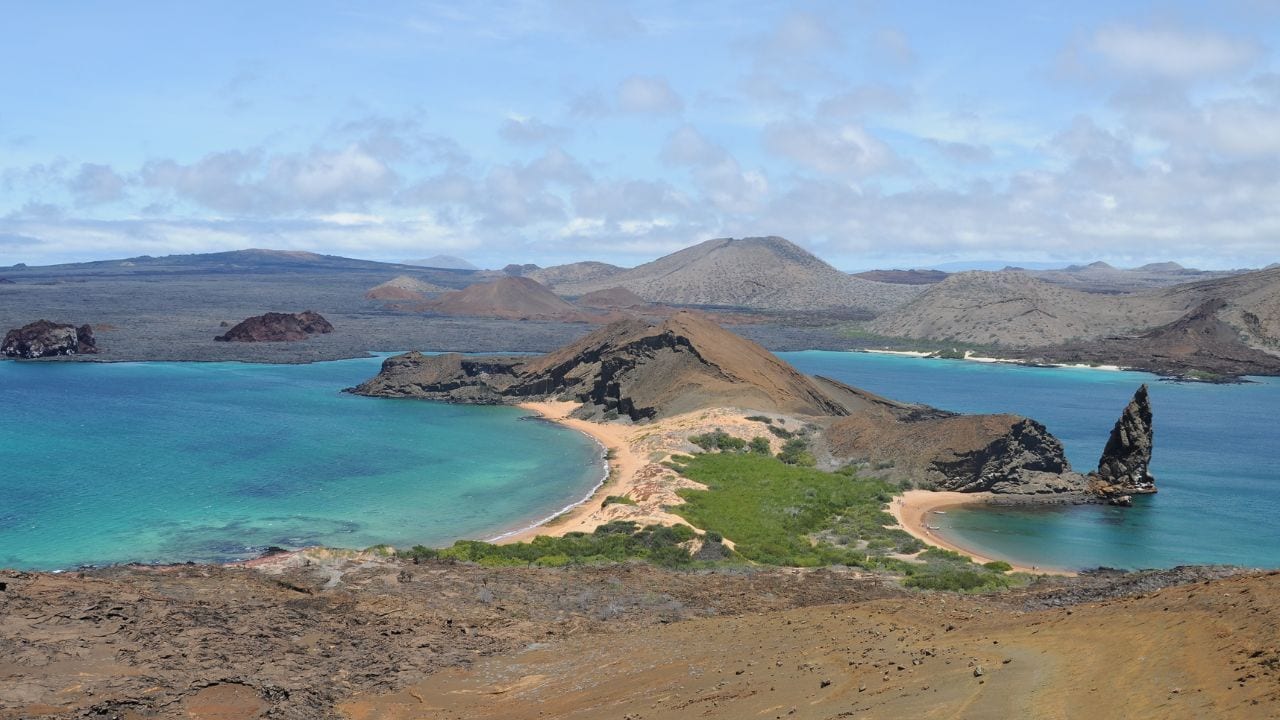
9. Ecuador: Despite its relatively small size, Ecuador is one of the most biodiverse countries per square kilometre. The Galápagos Islands, Amazon rainforest and Andean regions together support remarkable species diversity. (Image: Canva)

8. Peru lies at the heart of the Amazon basin and ranks among the top countries globally for bird, mammal and butterfly diversity. Its rainforests, Andes mountains and coastal ecosystems contribute to its rich wildlife profile. (Photo: Reuters)
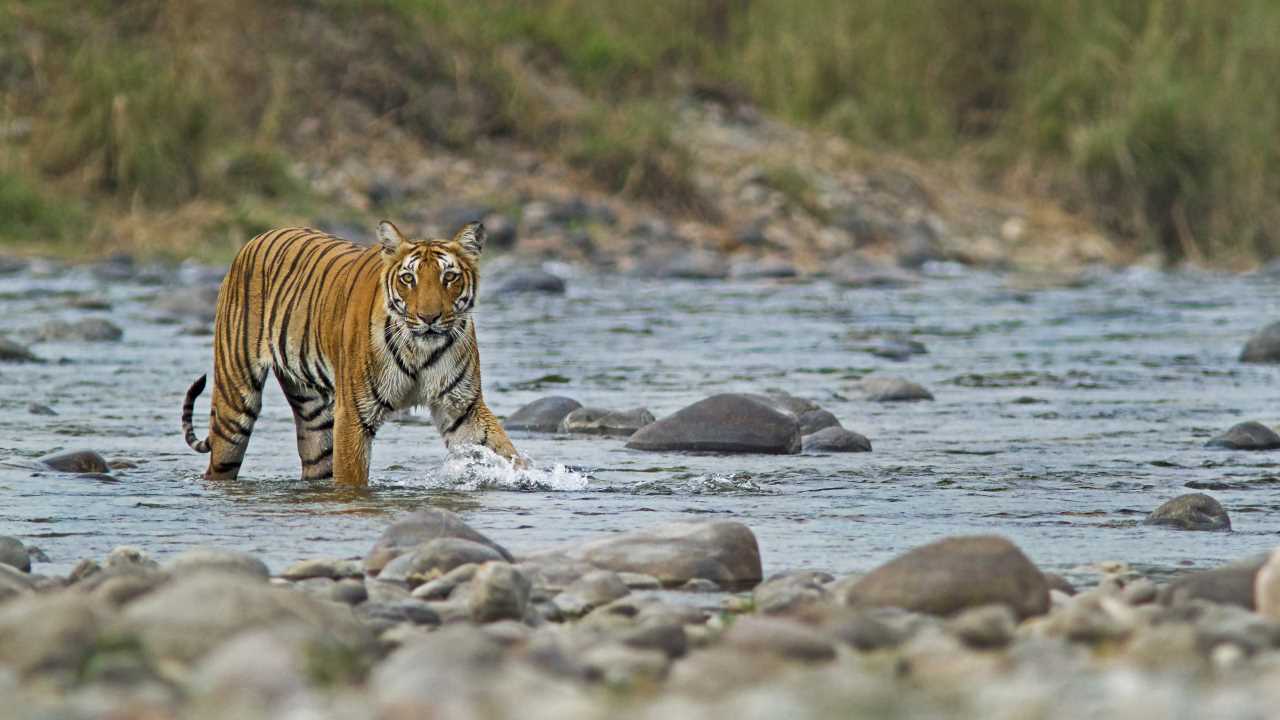
7. India is one of the world’s 17 megadiverse countries, with ecosystems ranging from Himalayan forests and grasslands to mangroves and coral reefs. It supports flagship species including tigers, elephants, one-horned rhinos and leopards. (Image: Shutterstock)
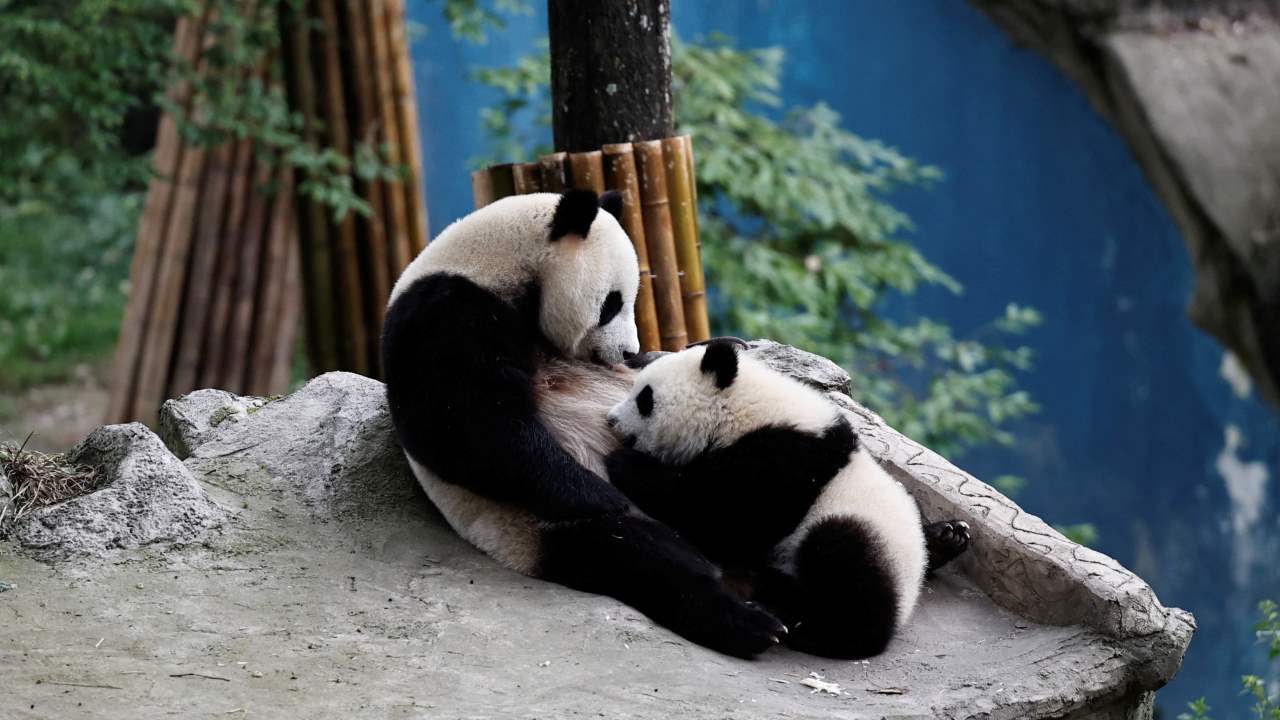
6. China’s vast geography and varied climate zones support a wide range of species. From tropical forests in the south to temperate and alpine regions, the country is home to iconic wildlife such as the giant panda and snow leopard. (Image: Reuters)
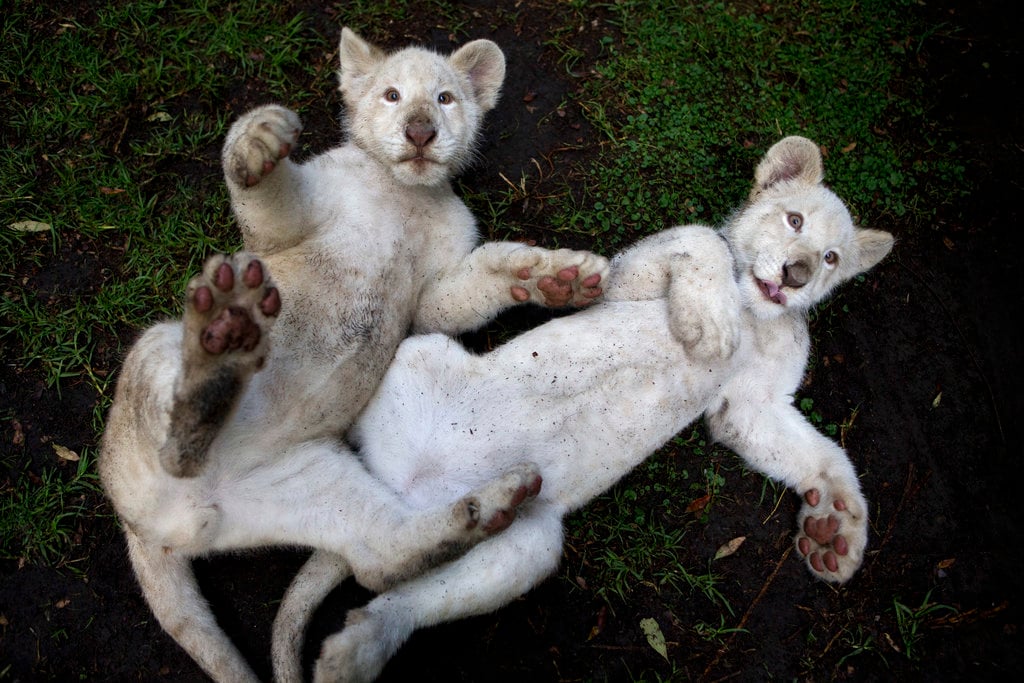
5. Mexico: Situated between North and South America, Mexico benefits from both Nearctic and Neotropical biodiversity. Its ecosystems include deserts, tropical forests and coral reefs, making it one of the world’s recognised megadiverse nations. (AP Photo)
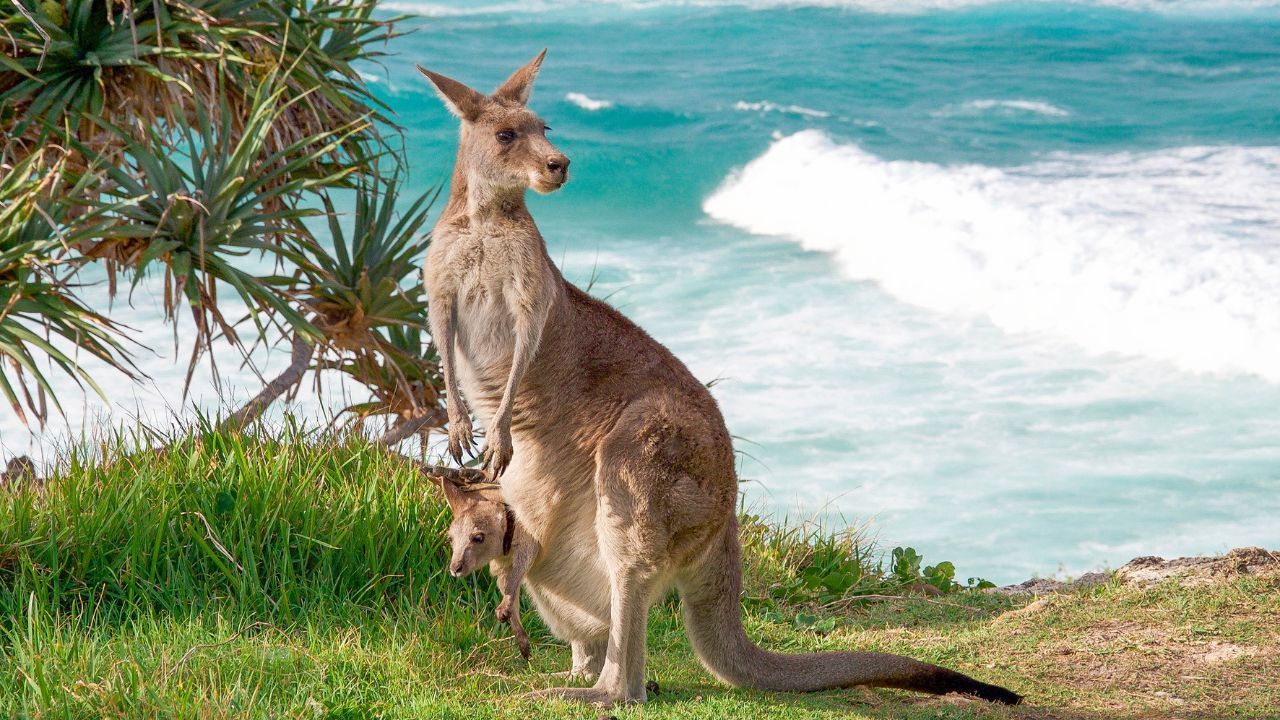
4. Australia stands out for its high level of endemism, with many species found nowhere else on Earth. Kangaroos, koalas, platypuses and diverse marine species around the Great Barrier Reef define its unique biodiversity. (Image: Canva)

3. Colombia consistently ranks among the most biodiverse countries, particularly for birds and amphibians. Its landscapes range from Amazonian rainforests and Andean mountains to coastal ecosystems, supporting exceptional species diversity.
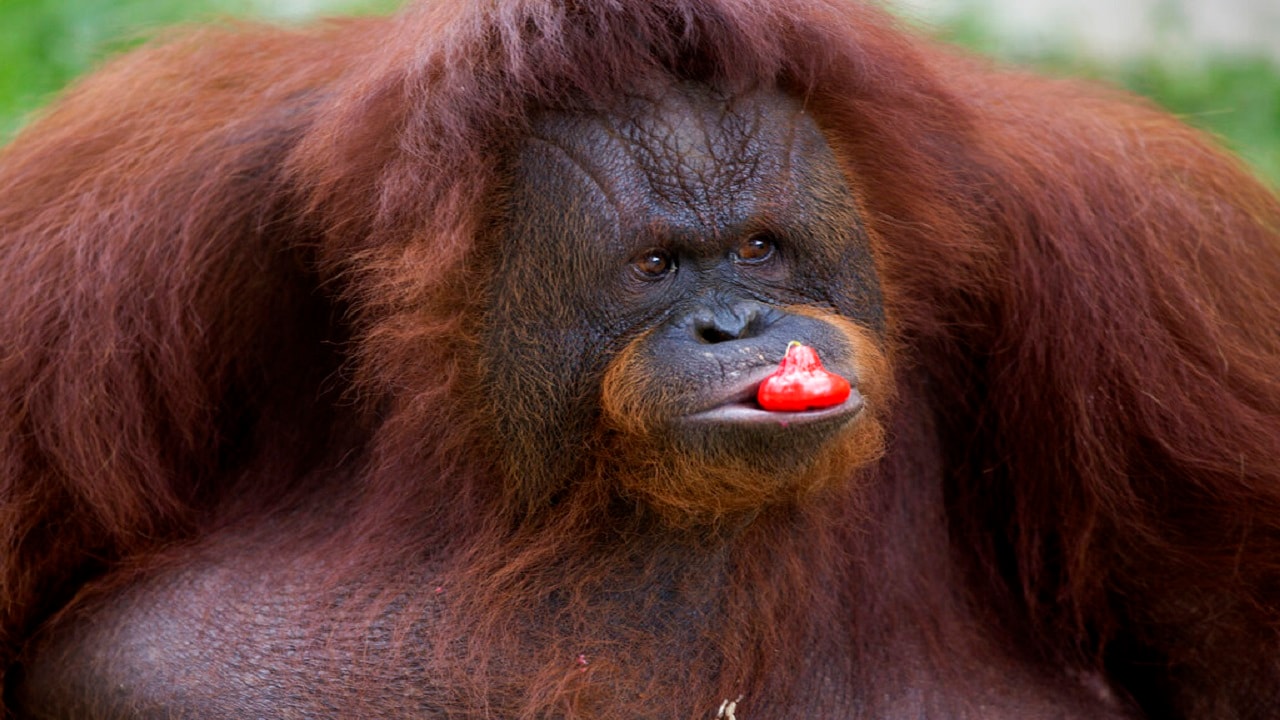
2. Indonesia's vast archipelago spans tropical rainforests, mangroves and coral reefs. It is one of the world’s most biodiverse countries, hosting species such as orangutans, Komodo dragons and an extraordinary range of marine life. (AP Photo)
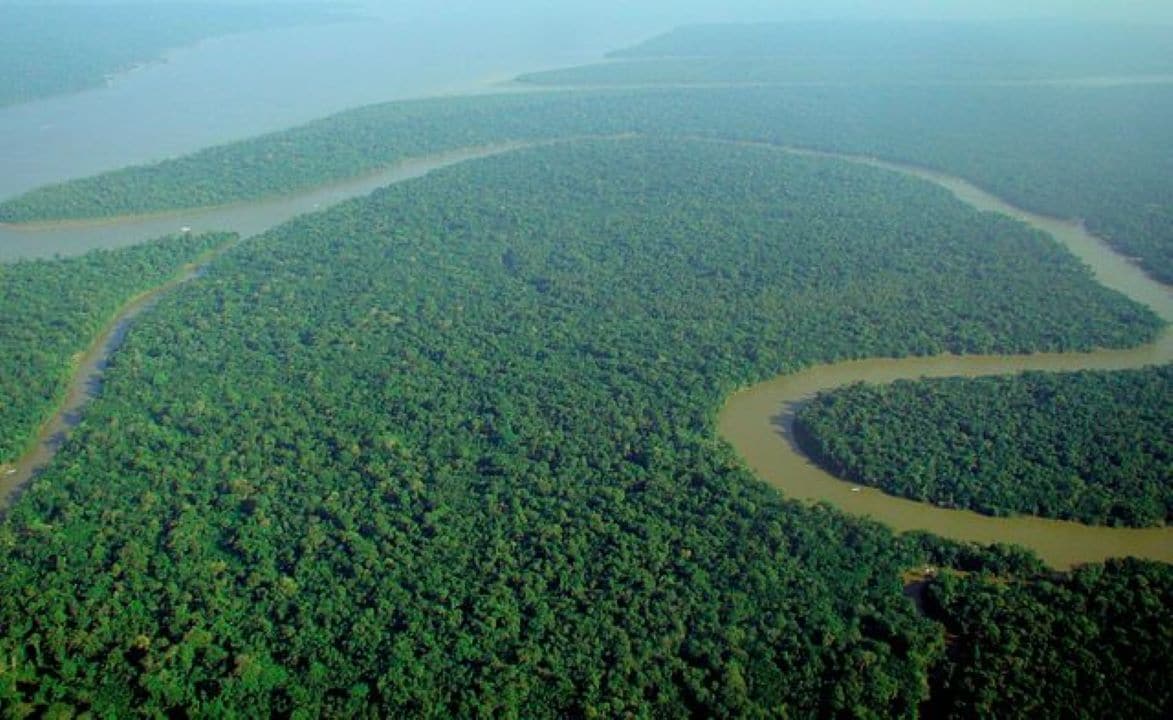
1. Brazil tops global biodiversity rankings, largely due to the Amazon Rainforest, the Pantanal wetlands and the Atlantic Forest. The country is home to the highest number of known plant and animal species in the world, including jaguars, macaws and thousands of endemic species. (Photo: Wiki Commons)



/images/ppid_59c68470-image-177100254364289407.webp)
/images/ppid_59c68470-image-177100253375756091.webp)






/images/ppid_a911dc6a-image-177100042462595765.webp)

/images/ppid_a911dc6a-image-177100003665395152.webp)