/images/ppid_59c68470-image-178896753822429506.webp)

/images/ppid_59c68470-image-17887475609955937.webp)

What is the story about?
US pressure on BRICS countries could end up accelerating efforts to reduce dependence on the dollar, according to economist and Columbia University Professor Jeffrey Sachs, who said the move towards local-currency trade is already underway.
Sachs said India-Russia trade, including Indian purchases of Russian oil, is increasingly being settled outside the dollar system, while China is also conducting more trade in renminbi.
“There is a great increase of trade in local currency,” Sachs said in an interview to CNBC-TV18, adding that the technology required to develop a multicurrency BRICS trading system already exists.
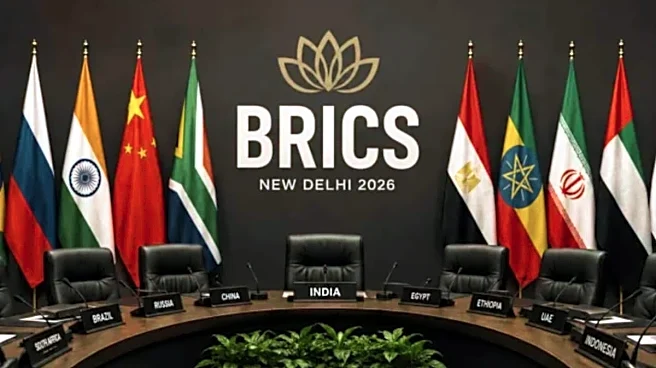
His comments come ahead of the BRICS Summit in New Delhi, where discussions around de-dollarisation and greater financial cooperation are expected to remain an important part of the grouping's agenda.
Sachs argued that the US had undermined the attractiveness of the dollar by using its financial infrastructure as a tool of economic pressure.
“The United States has made a grave mistake that it continues till this moment, which is to weaponise the dollar,” he said.
According to Sachs, the central issue is not simply whether the dollar remains the world's dominant currency, but whether countries can continue to depend on a financial system controlled by a government that can impose economic restrictions on them.
He pointed specifically to the role of the international payments and clearing infrastructure, including the SWIFT system, in allowing the US to enforce sanctions and financial restrictions.
Sachs said BRICS countries have the technological capability to develop payment mechanisms that reduce their reliance on the dollar system.
“The transformation to a multicurrency system is technically not completely straightforward, but not so complicated,” he said.
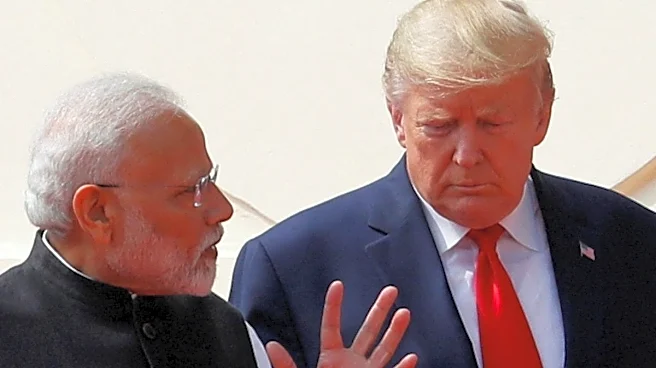
He also argued that threats from US President Donald Trump could provide an additional incentive for BRICS countries to accelerate the process.
Sachs said Trump's warning to BRICS countries against moving away from the dollar should be interpreted as an attempt to preserve Washington's ability to exert financial pressure.
“He was saying, ‘We know that we can enforce our will on you by your use of the dollar. Don’t you dare move away from it,’” Sachs said.
The economist said that, in his view, such pressure could have the opposite effect by encouraging countries to build alternatives.
“Well, if ever there was an invitation to complete the non-dollar payments, it’s really Donald Trump’s threat,” he said.
The issue assumes significance as BRICS seeks to deepen economic cooperation among its members. Sachs said the transition would not necessarily mean the immediate replacement of the dollar, but rather the development of a multicurrency system in which countries can conduct trade without having to rely exclusively on US financial infrastructure.
The move is already visible in bilateral trade arrangements, he said, with India and Russia increasingly using local currencies and China expanding the use of the renminbi.
For Sachs, the strategic argument is therefore as important as the financial one. A broader local-currency payments network would give BRICS members greater room to conduct international trade without exposing themselves to unilateral financial pressure from Washington.
Sachs said India-Russia trade, including Indian purchases of Russian oil, is increasingly being settled outside the dollar system, while China is also conducting more trade in renminbi.
“There is a great increase of trade in local currency,” Sachs said in an interview to CNBC-TV18, adding that the technology required to develop a multicurrency BRICS trading system already exists.
His comments come ahead of the BRICS Summit in New Delhi, where discussions around de-dollarisation and greater financial cooperation are expected to remain an important part of the grouping's agenda.
Sachs argued that the US had undermined the attractiveness of the dollar by using its financial infrastructure as a tool of economic pressure.
“The United States has made a grave mistake that it continues till this moment, which is to weaponise the dollar,” he said.
According to Sachs, the central issue is not simply whether the dollar remains the world's dominant currency, but whether countries can continue to depend on a financial system controlled by a government that can impose economic restrictions on them.
He pointed specifically to the role of the international payments and clearing infrastructure, including the SWIFT system, in allowing the US to enforce sanctions and financial restrictions.
Sachs said BRICS countries have the technological capability to develop payment mechanisms that reduce their reliance on the dollar system.
“The transformation to a multicurrency system is technically not completely straightforward, but not so complicated,” he said.
He also argued that threats from US President Donald Trump could provide an additional incentive for BRICS countries to accelerate the process.
Sachs said Trump's warning to BRICS countries against moving away from the dollar should be interpreted as an attempt to preserve Washington's ability to exert financial pressure.
“He was saying, ‘We know that we can enforce our will on you by your use of the dollar. Don’t you dare move away from it,’” Sachs said.
The economist said that, in his view, such pressure could have the opposite effect by encouraging countries to build alternatives.
“Well, if ever there was an invitation to complete the non-dollar payments, it’s really Donald Trump’s threat,” he said.
The issue assumes significance as BRICS seeks to deepen economic cooperation among its members. Sachs said the transition would not necessarily mean the immediate replacement of the dollar, but rather the development of a multicurrency system in which countries can conduct trade without having to rely exclusively on US financial infrastructure.
The move is already visible in bilateral trade arrangements, he said, with India and Russia increasingly using local currencies and China expanding the use of the renminbi.
For Sachs, the strategic argument is therefore as important as the financial one. A broader local-currency payments network would give BRICS members greater room to conduct international trade without exposing themselves to unilateral financial pressure from Washington.


/images/ppid_59c68470-image-178886256514393115.webp)

/images/ppid_59c68470-image-178887755886038417.webp)
/images/ppid_59c68470-image-178895755658076851.webp)