


What is the story about?
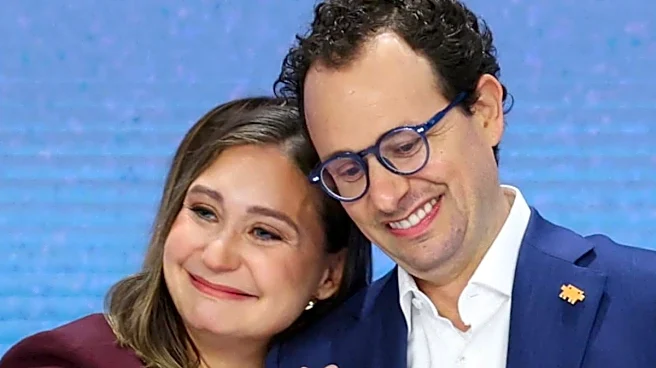
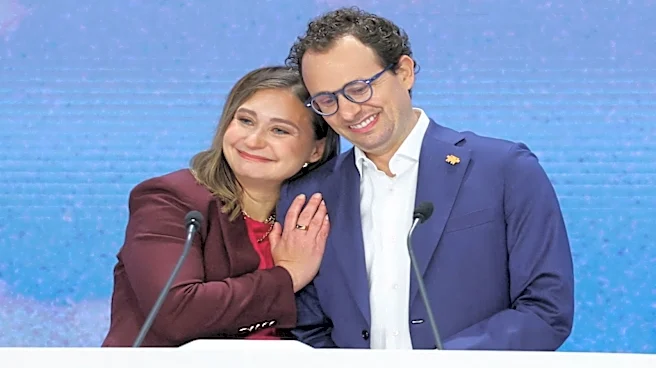
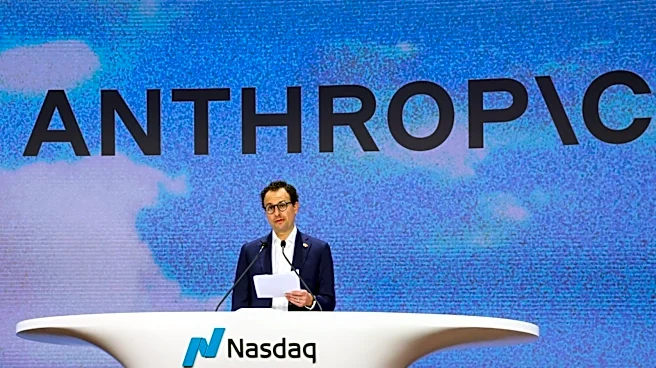
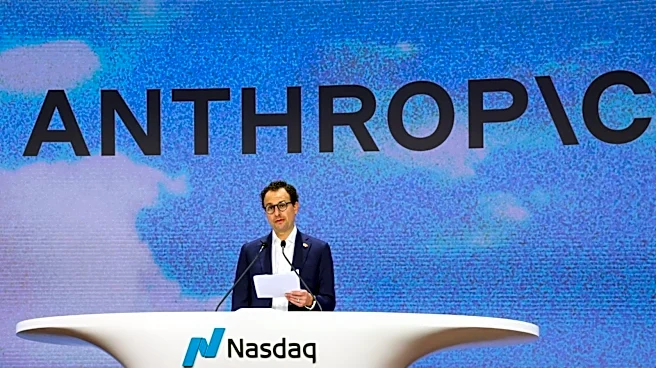
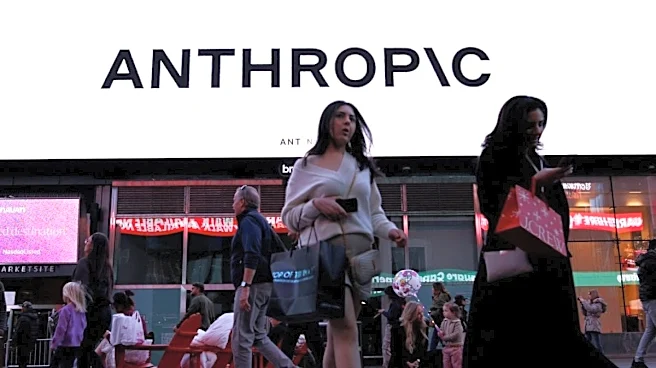
Anthropic co-founders Dario and Daniela Amodei rang the Nasdaq opening bell as the AI company marked its stock market debut, using the occasion to outline their vision of safe AI accelerating medical research, strengthening economies and transforming everyday lives.
Artificial intelligence could help scientists find cures for deadly diseases years earlier by dramatically accelerating medical research, Anthropic co-founder and CEO Dario Amodei said, sharing a personal tragedy that shaped his vision for the technology.
“Daniela and I lost our father to a disease that became curable two years later,” Amodei said. The experience, he added, motivated them to develop tools that could cut through lengthy research processes and speed up scientific discovery.
The goal is to build AI systems capable of accelerating the search for solutions and helping researchers conduct complex scientific work faster. Amodei said he hoped the technology would mean fewer families lose loved ones because medical breakthroughs arrive just a few years too late.
Medicine, however, is only one of the potential applications of Anthropic's AI model Claude, he said. Advanced AI could also strengthen democracies, boost economies and help lift people out of poverty.
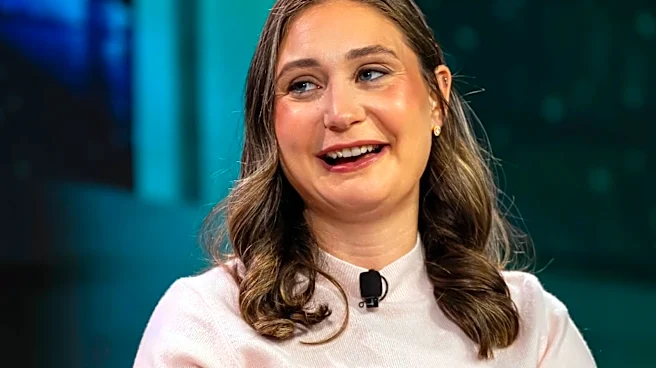
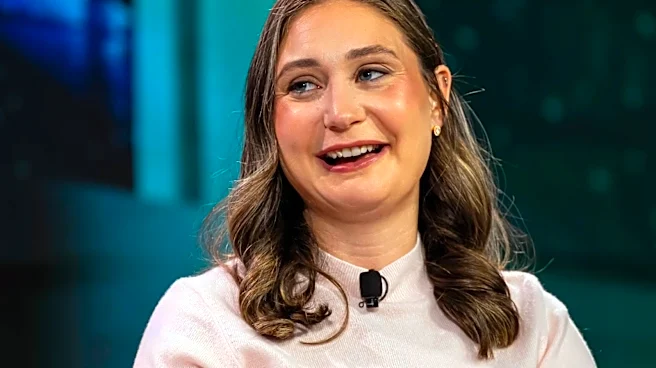
Anthropic co-founder and President Daniela Amodei said AI was already finding applications beyond the technology industry, with most Fortune 500 companies using Claude in their operations.
Its adoption is also reaching everyday professions. Teachers are using the AI assistant to correct student papers, while doctors are deploying it to support medical diagnosis, she said.
Daniela said the broader promise of AI was to reduce the time people spend working in front of screens and free them to focus on activities that matter more.
“If we get this right, we will spend less time on screens and do things that matter more,” she said.
She also highlighted Anthropic's public benefit corporation structure, which requires the company to weigh public good alongside commercial interests. Its decision to go public, she said, was partly aimed at allowing more people to participate in and invest in the development of AI.
Despite its transformative potential, both founders acknowledged that AI carries significant risks and stressed that responsible development must remain central to the industry.
Daniela said AI could do extraordinary good but also carried considerable dangers, making it the company's responsibility to guard against potential harm.
Dario described safety as being embedded in Anthropic's DNA, saying the company would not compromise its principles under pressure from either business rivals or governments.
He said he hoped Anthropic's approach would encourage other technology companies to prioritise safety, creating a “race to the top” in which the ultimate objective would not be which company leads the industry, but how responsibly the technology is developed.
“Intelligence is now something humans can build,” Daniela said, underlining the scale of the responsibility that comes with developing increasingly powerful AI systems.
Artificial intelligence could help scientists find cures for deadly diseases years earlier by dramatically accelerating medical research, Anthropic co-founder and CEO Dario Amodei said, sharing a personal tragedy that shaped his vision for the technology.
“Daniela and I lost our father to a disease that became curable two years later,” Amodei said. The experience, he added, motivated them to develop tools that could cut through lengthy research processes and speed up scientific discovery.
The goal is to build AI systems capable of accelerating the search for solutions and helping researchers conduct complex scientific work faster. Amodei said he hoped the technology would mean fewer families lose loved ones because medical breakthroughs arrive just a few years too late.
Medicine, however, is only one of the potential applications of Anthropic's AI model Claude, he said. Advanced AI could also strengthen democracies, boost economies and help lift people out of poverty.
From boardrooms to classrooms: AI's expanding role
Anthropic co-founder and President Daniela Amodei said AI was already finding applications beyond the technology industry, with most Fortune 500 companies using Claude in their operations.
Its adoption is also reaching everyday professions. Teachers are using the AI assistant to correct student papers, while doctors are deploying it to support medical diagnosis, she said.
Daniela said the broader promise of AI was to reduce the time people spend working in front of screens and free them to focus on activities that matter more.
“If we get this right, we will spend less time on screens and do things that matter more,” she said.
She also highlighted Anthropic's public benefit corporation structure, which requires the company to weigh public good alongside commercial interests. Its decision to go public, she said, was partly aimed at allowing more people to participate in and invest in the development of AI.
Anthropic draws a line on AI safety
Despite its transformative potential, both founders acknowledged that AI carries significant risks and stressed that responsible development must remain central to the industry.
Daniela said AI could do extraordinary good but also carried considerable dangers, making it the company's responsibility to guard against potential harm.
Dario described safety as being embedded in Anthropic's DNA, saying the company would not compromise its principles under pressure from either business rivals or governments.
He said he hoped Anthropic's approach would encourage other technology companies to prioritise safety, creating a “race to the top” in which the ultimate objective would not be which company leads the industry, but how responsibly the technology is developed.
“Intelligence is now something humans can build,” Daniela said, underlining the scale of the responsibility that comes with developing increasingly powerful AI systems.