



What is the story about?
Oil prices extended losses on Monday, with Brent crude falling over 6% after Iran's supreme leader gave the government approval to pursue talks that could help end the eight-month conflict and ease concerns over energy supplies from the West Asia.
Brent crude futures declined 6.07% to $106.54 a barrel, while US West Texas Intermediate (WTI) crude fell 6.40% to $97.46 a barrel.
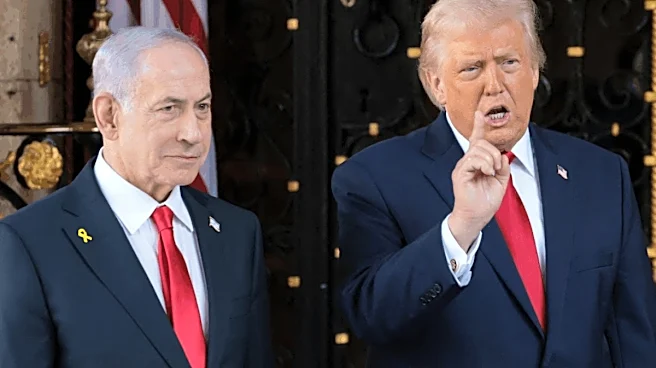
Prices were already under pressure after reports that US President Donald Trump had told Israeli Prime Minister Benjamin Netanyahu during a phone call that he wanted to give negotiations with Iran a chance. The reported preference for diplomacy was said to have concerned the Israeli leader, according to Axios.
Iran's Foreign Ministry said on Monday that contacts with the US to end the conflict were continuing, following days of discussions with Qatari mediators that ended without a breakthrough.
"We can tell you that the dialogues are continuing. However, the issue is complex," Foreign Ministry spokesperson Esmaeil Baghaei said, adding that the two sides were exchanging messages through mediators, Reuters reported.
Baghaei said Iran's proposal submitted in September remained the focus of discussions, while confirming that the plan could be shortened. He stressed that condensing the proposal would not change Tehran's position on its nuclear programme. Iran has maintained that discussions on the programme can resume only after it verifies that all its conditions have been met.
Asked whether the transfer of Iran's highly enriched uranium stockpile to another country had been discussed, Baghaei said it had not.
Diplomacy remains uncertain
The latest developments come amid mixed signals from Washington. US Secretary of State Marco Rubio said the administration had made no decision on fresh strikes against Iran and that Trump preferred a diplomatic resolution to the eight-month conflict.
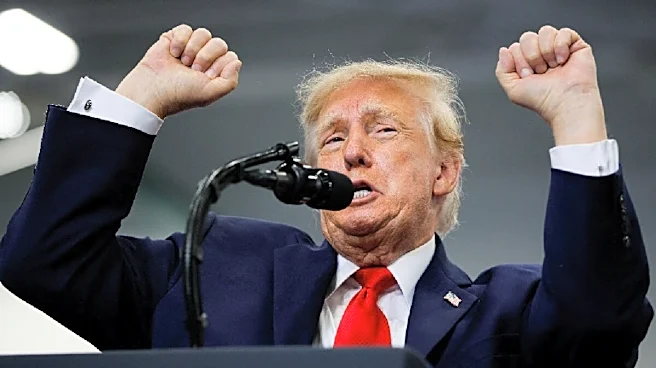
Trump has said that peace talks were under way, but has also repeatedly threatened to resume strikes on Iran after the US midterm elections. The Wall Street Journal reported that a top military commander briefed him on military options on Thursday.
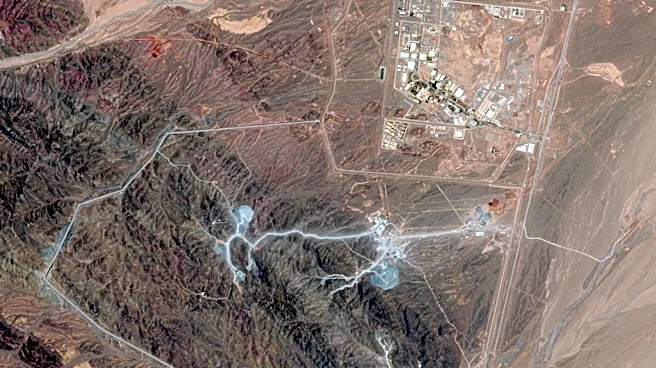
At a Halloween event at his Mar-a-Lago estate in Florida, Trump said Washington was in no hurry to launch another attack but retained the ability to destroy Iran's remaining nuclear facilities within 10 minutes. He also claimed that Iran wanted a deal, while questioning whether Tehran could be trusted.
The uncertainty over negotiations has kept attention on the Strait of Hormuz, a critical route for global energy supplies. The two sides have yet to agree on terms for fully reopening the waterway, leaving the conflict in a holding pattern.
The risk of attacks in the strait has continued to weigh on the shipping industry, even as Persian Gulf producers have managed to increase crude shipments through the waterway, at times reaching rates comparable with pre-war levels.
Oil had rallied in October to a six-month high despite a revival in crude flows through the Strait of Hormuz. Trump's repeated threats of renewed military action have also kept uncertainty around the region's energy supplies elevated, even as his administration signals a preference for diplomacy.
Also Read: Oil eases as Trump favours diplomacy over strikes ahead of US midterms