/images/ppid_59c68470-image-178807752977088237.webp)

/images/ppid_59c68470-image-178802252664647280.webp)
/images/ppid_59c68470-image-178789508463184599.webp)
What is the story about?
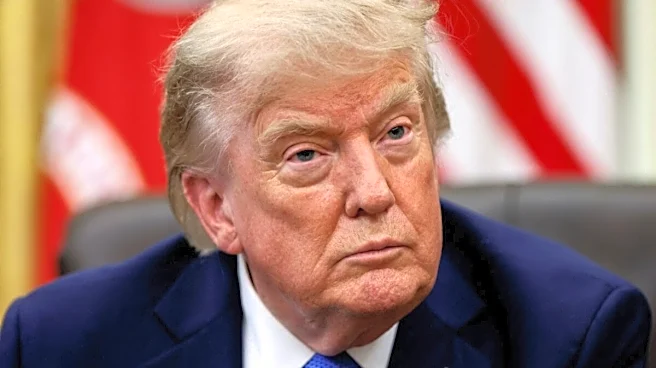
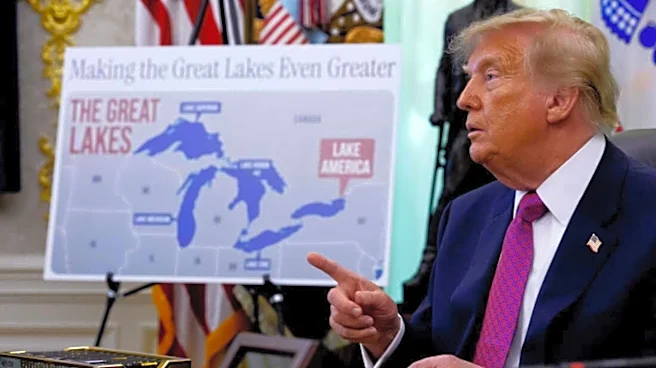
US President Donald Trump’s decision to rename Lake Ontario as “Lake America” has triggered sharp criticism and mockery in Canada, with The Associated Press reporting that Canadian political leaders and Indigenous representatives have rejected the new name.
Ontario Premier Doug Ford on Saturday, August 29, put up a large sign on the Canadian shoreline that read “Lake Ontario. Now and Always” in response to Trump’s order.
The move comes as tensions between the US and Canada have increased over trade, tariffs and Trump’s repeated suggestion that Canada could become the 51st US state.
Doug Ford responds to Trump with ‘Lake Ontario’ sign
Ford unveiled the large sign near Grimsby, Ontario, while wearing a Team Canada soccer jersey. The message was displayed in English and French.
Ford said Trump was attempting to rename the lake because Canada and Ontario were standing up for themselves.
“Long after President Trump is gone, it will still be called Lake Ontario,” Ford said in a video posted on social media.
Canadian Prime Minister Mark Carney has also rejected Trump’s move. He pointed to the lake’s Indigenous history and said its name predates both Canadian Confederation and the creation of the United States.
“Canadians also know that naming reality means calling it Lake Ontario — then, now and always,” Carney said.
Canadian premiers mock Trump’s Lake America name
The reaction from Canadian leaders has included ridicule rather than widespread outrage.
Manitoba Premier Wab Kinew compared Trump’s renaming efforts to an ageing rock band trying to revive an old hit. He referred to Trump’s earlier decision to rename the Gulf of Mexico as the “Gulf of America” and suggested the latest move was an attempt to appeal to his political base.
Nova Scotia Premier Tim Houston also dismissed the change, saying: “It’s Lake Ontario, buddy.”
New York Governor Kathy Hochul, whose state borders Lake Ontario, said New York would not use the new name.
Indigenous leaders oppose Lake Ontario renaming
The lake’s original name has Indigenous roots. Lake Ontario is derived from the Huron word “oniatarí”, meaning “lake of shining waters”. The Canadian province of Ontario later took its name from the lake.
Wendat Nation Grand Chief Pierre Picard said Trump’s decision was an attempt to erase Indigenous history, culture and identity.
Carney has also highlighted the lake’s Indigenous origins while opposing the US president’s decision.
The Seneca Nation, one of the six nations of the Haudenosaunee Confederacy, has separately objected to the renaming.
Seneca Nation President J. Conrad Seneca said Trump’s order showed “blatant disrespect” for the Indigenous people who have lived around the lake.
He also argued that the move violated the 1794 Treaty of Canandaigua, signed between the United States and the Haudenosaunee Confederacy. The treaty established peace and friendship between the parties.
Seneca said the US president could not claim ownership of Indigenous culture or erase its history through the renaming.
In the traditional Seneca language, the lake is known as “sga:nyodai”, meaning “beautiful lake”, according to Seneca.
What did Trump order on Lake Ontario?
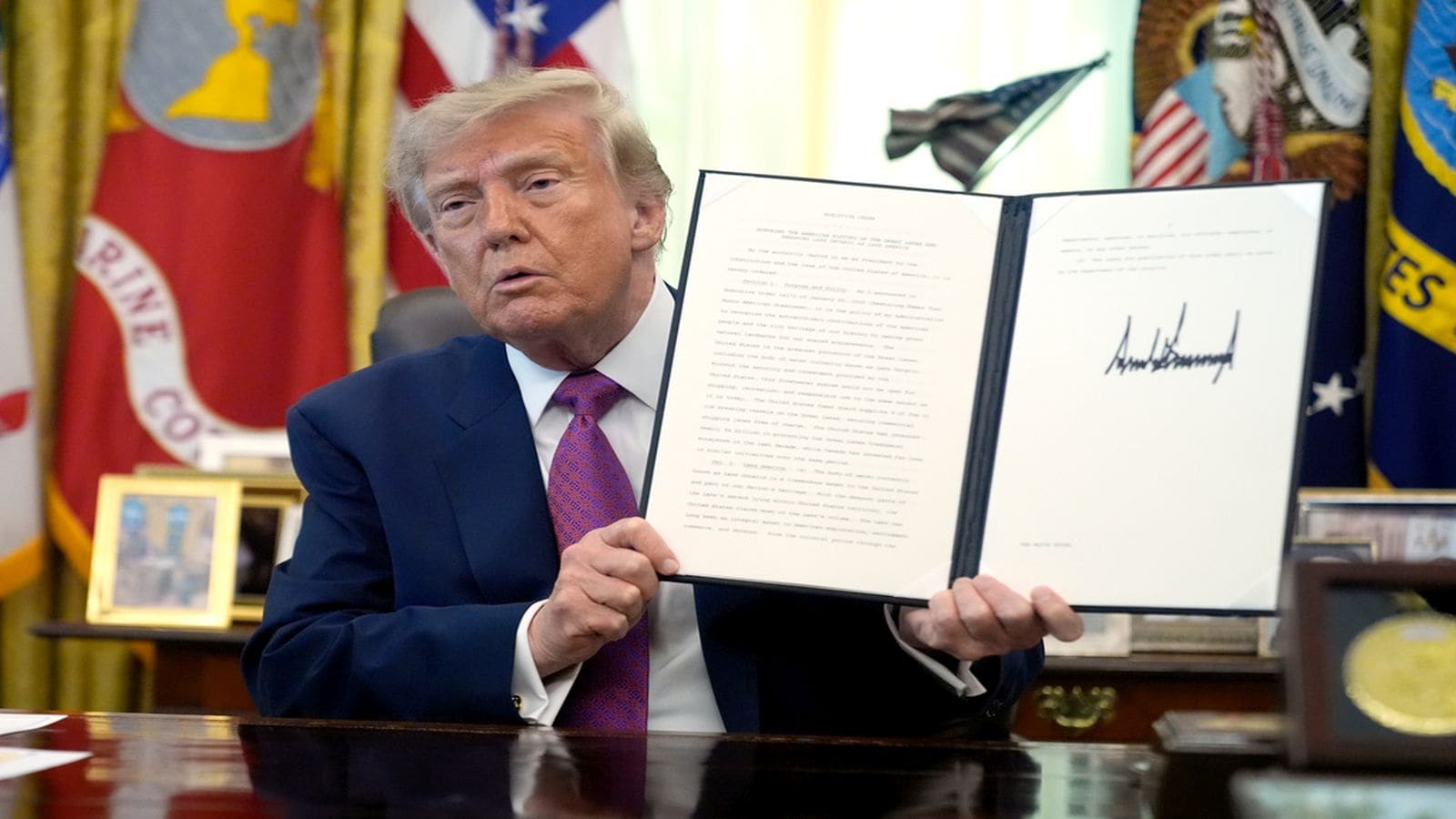
Trump signed an executive order on August 27 directing the US Interior Department to update the lake’s name in the US geographic naming service.
Although Trump said the change was “effective immediately”, the order states that the update is to be made within 30 days.
The decision applies to how the US federal government identifies the lake. Trump cannot compel Canada or other countries to adopt the name “Lake America”.
There is also no single international authority responsible for deciding the names of international bodies of water.
Lake Ontario renaming comes amid US-Canada trade tensions
The name change comes amid a broader dispute between Washington and Ottawa.
The US recently announced 50% tariffs on $20 billion worth of Canadian goods after trade talks between the two countries broke down. Canada has responded with retaliatory tariffs on $20 billion of US products, including steel, dairy products, appliances and farm equipment.
Trump has repeatedly criticised Canada over trade and defence issues and has suggested that the country should become the 51st US state.
His dispute with Ford has also become increasingly personal. Ford recently criticised Trump’s tariff policies, while Trump responded by calling the Ontario premier a “flunky” of Canadian Prime Minister Mark Carney.
Trump’s latest move follows his earlier push to rename the Gulf of Mexico as the “Gulf of America”. He has also suggested that other geographical names could potentially be changed.
For now, however, Canadian officials and Indigenous leaders are making clear that they will continue to call the shared Great Lake Lake Ontario.
Ontario Premier Doug Ford on Saturday, August 29, put up a large sign on the Canadian shoreline that read “Lake Ontario. Now and Always” in response to Trump’s order.
The move comes as tensions between the US and Canada have increased over trade, tariffs and Trump’s repeated suggestion that Canada could become the 51st US state.
Doug Ford responds to Trump with ‘Lake Ontario’ sign
Ford unveiled the large sign near Grimsby, Ontario, while wearing a Team Canada soccer jersey. The message was displayed in English and French.
Ford said Trump was attempting to rename the lake because Canada and Ontario were standing up for themselves.
“Long after President Trump is gone, it will still be called Lake Ontario,” Ford said in a video posted on social media.
It’s
Lake Ontario, now and always. pic.twitter.com/KNahtPAMeJ
— Doug Ford (@fordnation) August 29, 2026
Canadian Prime Minister Mark Carney has also rejected Trump’s move. He pointed to the lake’s Indigenous history and said its name predates both Canadian Confederation and the creation of the United States.
“Canadians also know that naming reality means calling it Lake Ontario — then, now and always,” Carney said.
Canadian premiers mock Trump’s Lake America name
The reaction from Canadian leaders has included ridicule rather than widespread outrage.
Manitoba Premier Wab Kinew compared Trump’s renaming efforts to an ageing rock band trying to revive an old hit. He referred to Trump’s earlier decision to rename the Gulf of Mexico as the “Gulf of America” and suggested the latest move was an attempt to appeal to his political base.
Nova Scotia Premier Tim Houston also dismissed the change, saying: “It’s Lake Ontario, buddy.”
New York Governor Kathy Hochul, whose state borders Lake Ontario, said New York would not use the new name.
Indigenous leaders oppose Lake Ontario renaming
The lake’s original name has Indigenous roots. Lake Ontario is derived from the Huron word “oniatarí”, meaning “lake of shining waters”. The Canadian province of Ontario later took its name from the lake.
Wendat Nation Grand Chief Pierre Picard said Trump’s decision was an attempt to erase Indigenous history, culture and identity.
Carney has also highlighted the lake’s Indigenous origins while opposing the US president’s decision.
The Seneca Nation, one of the six nations of the Haudenosaunee Confederacy, has separately objected to the renaming.
Seneca Nation President J. Conrad Seneca said Trump’s order showed “blatant disrespect” for the Indigenous people who have lived around the lake.
He also argued that the move violated the 1794 Treaty of Canandaigua, signed between the United States and the Haudenosaunee Confederacy. The treaty established peace and friendship between the parties.
Seneca said the US president could not claim ownership of Indigenous culture or erase its history through the renaming.
In the traditional Seneca language, the lake is known as “sga:nyodai”, meaning “beautiful lake”, according to Seneca.
What did Trump order on Lake Ontario?
Trump signed an executive order on August 27 directing the US Interior Department to update the lake’s name in the US geographic naming service.
Although Trump said the change was “effective immediately”, the order states that the update is to be made within 30 days.
President Donald Trump holds up a signed executive order in the Oval Office of the White House, Thursday, Aug. 27, 2026, in Washington. (AP Photo/Manuel Balce Ceneta)
The decision applies to how the US federal government identifies the lake. Trump cannot compel Canada or other countries to adopt the name “Lake America”.
There is also no single international authority responsible for deciding the names of international bodies of water.
Lake Ontario renaming comes amid US-Canada trade tensions
The name change comes amid a broader dispute between Washington and Ottawa.
The US recently announced 50% tariffs on $20 billion worth of Canadian goods after trade talks between the two countries broke down. Canada has responded with retaliatory tariffs on $20 billion of US products, including steel, dairy products, appliances and farm equipment.
Trump has repeatedly criticised Canada over trade and defence issues and has suggested that the country should become the 51st US state.
His dispute with Ford has also become increasingly personal. Ford recently criticised Trump’s tariff policies, while Trump responded by calling the Ontario premier a “flunky” of Canadian Prime Minister Mark Carney.
Trump’s latest move follows his earlier push to rename the Gulf of Mexico as the “Gulf of America”. He has also suggested that other geographical names could potentially be changed.
For now, however, Canadian officials and Indigenous leaders are making clear that they will continue to call the shared Great Lake Lake Ontario.

/images/ppid_59c68470-image-178785752891960278.webp)



/images/ppid_59c68470-image-178788253762940852.webp)
/images/ppid_59c68470-image-178803752825461396.webp)