

What is the story about?
The United States, Britain, France and Germany jointly urged Tehran at a meeting of the UN atomic watchdog’s board on Thursday (November 19) to allow inspectors to return to its nuclear sites bombed by the US and Israel last year, accusing Iran of “stonewalling”.
Iran has not granted the International Atomic Energy Agency (IAEA) access to these nuclear facilities since they were targeted in military strikes in June 2025.
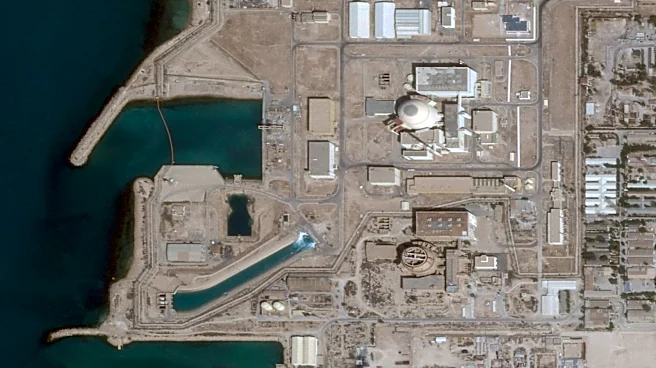
While the strikes destroyed or badly damaged Iran’s three uranium-enrichment plants known to have been operational at the time, Tehran has not said what happened to its stock of highly enriched uranium, which included material close to weapons grade and remains unaccounted for.
“It should be of concern to all Members of this Board that for a year and a half, the Agency has lost continuity of knowledge regarding Iran’s previously verified stockpile of high-enriched uranium,” the four Western powers said in a joint statement to the IAEA’s 35-nation Board of Governors.
Read Here | Trump says US will 'see what happens' in conflict with Iran after January 1
The board is holding its quarterly meeting this week. IAEA Director General Rafael Grossi informed the board that the only inspections conducted during the last quarter were at the undamaged Bushehr nuclear power plant.
“The DG has repeatedly made clear that there is no current technical reason preventing the Agency from accessing the affected nuclear facilities and that inspectors have been ready to return for a long time now,” the four countries said.
“It is up to Iran to seize this opportunity, change course, and address the international community’s long-standing concerns regarding its nuclear programme,” they added, referring to “Iran’s stonewalling strategy”.
The US and Israel have not launched major strikes on Iranian nuclear sites since their 12-day campaign last year. However, the US has been at war with Iran for nine months, and speculation about fresh strikes is mounting as talks on a negotiated solution remain deadlocked.
Iran says the US and Israeli attacks are responsible for the current standoff over inspections.
“The root causes of the impossibility of normal safeguards implementation in Iran are the acts of aggression and the continuing threats of renewed attacks at the highest political level of the United States and the Israeli regime against Iran,” Iran said in a statement sent to member states on Wednesday.
It also cited the US government's current offer of a reward of up to $20 million for information on Iran’s nuclear programme.
“There is no … solid guarantee that acquired information (from inspections), that the US as a member of the Board will inevitably be informed of, would not be used for further attacks,” it added.
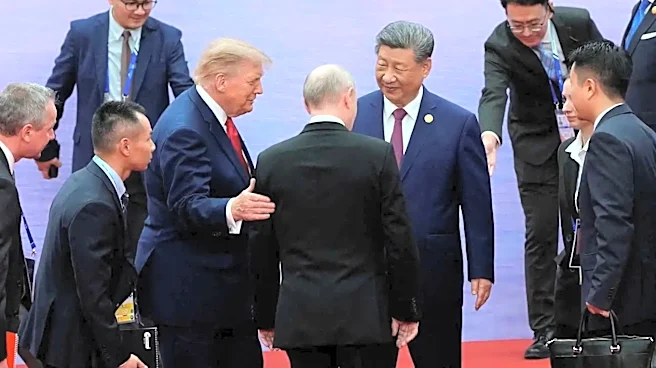
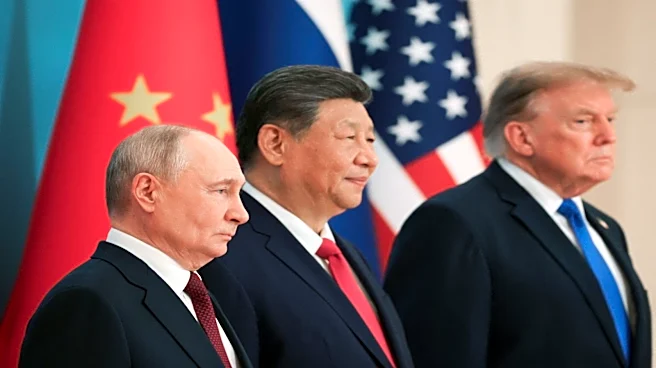
Also Read | Nuclear arms, ending wars in Iran and Ukraine will top agenda at Trump-Xi-Putin meeting
Iran has not granted the International Atomic Energy Agency (IAEA) access to these nuclear facilities since they were targeted in military strikes in June 2025.
While the strikes destroyed or badly damaged Iran’s three uranium-enrichment plants known to have been operational at the time, Tehran has not said what happened to its stock of highly enriched uranium, which included material close to weapons grade and remains unaccounted for.
“It should be of concern to all Members of this Board that for a year and a half, the Agency has lost continuity of knowledge regarding Iran’s previously verified stockpile of high-enriched uranium,” the four Western powers said in a joint statement to the IAEA’s 35-nation Board of Governors.
Read Here | Trump says US will 'see what happens' in conflict with Iran after January 1
The board is holding its quarterly meeting this week. IAEA Director General Rafael Grossi informed the board that the only inspections conducted during the last quarter were at the undamaged Bushehr nuclear power plant.
“The DG has repeatedly made clear that there is no current technical reason preventing the Agency from accessing the affected nuclear facilities and that inspectors have been ready to return for a long time now,” the four countries said.
“It is up to Iran to seize this opportunity, change course, and address the international community’s long-standing concerns regarding its nuclear programme,” they added, referring to “Iran’s stonewalling strategy”.
The US and Israel have not launched major strikes on Iranian nuclear sites since their 12-day campaign last year. However, the US has been at war with Iran for nine months, and speculation about fresh strikes is mounting as talks on a negotiated solution remain deadlocked.
Iran says the US and Israeli attacks are responsible for the current standoff over inspections.
“The root causes of the impossibility of normal safeguards implementation in Iran are the acts of aggression and the continuing threats of renewed attacks at the highest political level of the United States and the Israeli regime against Iran,” Iran said in a statement sent to member states on Wednesday.
It also cited the US government's current offer of a reward of up to $20 million for information on Iran’s nuclear programme.
“There is no … solid guarantee that acquired information (from inspections), that the US as a member of the Board will inevitably be informed of, would not be used for further attacks,” it added.
Also Read | Nuclear arms, ending wars in Iran and Ukraine will top agenda at Trump-Xi-Putin meeting

/images/ppid_59c68470-image-179510004350160569.webp)


/images/ppid_59c68470-image-179527254824990190.webp)
/images/ppid_59c68470-image-179523252084589774.webp)
/images/ppid_59c68470-image-179502002548594917.webp)

/images/ppid_59c68470-image-179501002048347897.webp)
/images/ppid_59c68470-image-179501752245160360.webp)


/images/ppid_59c68470-image-179513501788448364.webp)