/images/ppid_59c68470-image-177815506000998685.webp)

/images/ppid_59c68470-image-177820512189361916.webp)
/images/ppid_a911dc6a-image-177815406543422853.webp)
/images/ppid_a911dc6a-image-177812322923178262.webp)
What is the story about?
A suspected hantavirus outbreak aboard the Dutch-flagged expedition cruise ship MV Hondius has left at least three people dead, triggered an international public health response and stranded around 150 passengers and crew members off the coast of Cape Verde as authorities investigate the source of the infections and the possibility of rare human-to-human transmission.
The vessel, operated by Oceanwide Expeditions, had departed from Ushuaia in southern Argentina on an Antarctic and South Atlantic expedition voyage that included stops across Antarctica and remote islands in the South Atlantic Ocean, including South Georgia, Tristan da Cunha, Nightingale Island, St Helena and Ascension Island.
According to the World Health Organisation (WHO), eight hantavirus cases linked to the ship — three confirmed and five suspected — have so far been identified among passengers and crew members.
The first reported death associated with the outbreak occurred on April 11, when a passenger died aboard the ship after developing symptoms including fever, headache, abdominal pain and diarrhoea, according to reports citing South African authorities. At the time, passengers were reportedly informed that the death was due to "natural causes".
Travel blogger Ruhi Cenet later shared a video recorded on April 12 showing the ship’s captain telling passengers that a doctor had said the deceased passenger was "not infectious".
The body remained aboard until April 24, when it was disembarked at St Helena. The passenger’s wife left the ship at the same time and later travelled to South Africa, where she died on April 26 after her condition deteriorated during a flight to Johannesburg.
South African authorities later confirmed the Andes strain of hantavirus in her case. Her husband, however, has not been confirmed as a hantavirus case.
A third death involved a German passenger who died aboard the vessel. WHO said a 65-year-old German passenger evacuated from the ship was "closely associated" with the deceased passenger.
Authorities have confirmed hantavirus infection in at least one of the deceased passengers, while investigations into the remaining deaths are continuing.
The outbreak intensified after additional passengers and crew members developed symptoms consistent with hantavirus infection.
A British national, identified by several media outlets as former police officer Martin Anstee, was evacuated from the vessel and taken to a hospital in Johannesburg, South Africa, where authorities confirmed he tested positive for hantavirus.
His wife, Nicola Anstee, told the Daily Telegraph that his condition had fluctuated over several days before stabilising.
Three people were later evacuated from the ship to the Netherlands for treatment, according to Oceanwide Expeditions and WHO. They included the British national, a 41-year-old Dutch crew member, and a 65-year-old German passenger.
Spain’s health ministry also said the ship’s doctor, who had initially been expected to travel to the Canary Islands, was later evacuated directly to the Netherlands after his condition improved.
Authorities in Switzerland separately confirmed that a man who had travelled on the cruise ship tested positive for the Andes strain of hantavirus after returning from South America. Swiss officials said the man had disembarked earlier during the voyage at St Helena and was receiving treatment in Zurich, while his wife remained asymptomatic and self-isolating as a precaution.
Investigations into the source of the outbreak remain ongoing.
WHO officials said their working assumption was that the initial Dutch couple may have contracted the virus before boarding the vessel after travelling through Argentina and Chile. Officials are also examining whether passengers may have been exposed during bird-watching excursions on remote islands inhabited by rodents.
WHO officials additionally said they had been informed there were no rats aboard the ship.
What is Hantavirus?
Hantavirus is typically transmitted through exposure to infected rodents or their urine, droppings or saliva. However, health officials believe that limited human-to-human transmission may have occurred in this outbreak among passengers who were in very close contact.
South African and Swiss authorities confirmed the Andes strain in infected passengers. WHO officials said the Andes strain, found primarily in Argentina and Chile, has previously shown evidence of rare person-to-person transmission.
WHO epidemic preparedness director Maria Van Kerkhove said possible transmission may have occurred between close contacts sharing cabins or beds aboard the vessel.
As concerns grew, the ship became stranded off the coast of Cape Verde after authorities there did not permit passengers to disembark. WHO said passengers were isolating in their cabins while medical evacuations and repatriation efforts were coordinated.
Around 150 people from 23 countries remained aboard the vessel under what Oceanwide Expeditions described as “strict precautionary measures”.
The outbreak prompted a multinational public health response involving WHO, the UK Health Security Agency (UKHSA), the European Centre for Disease Prevention and Control, and authorities across several countries.
The UKHSA confirmed that two Britons who had disembarked earlier at St Helena had returned to the United Kingdom via Johannesburg and were self-isolating despite not showing symptoms.
UKHSA chief scientific officer Prof Robin May said authorities were tracing contacts, including family members, passengers who shared cabins and people seated near potentially exposed travellers on long-haul flights. Prof May also said current expert consensus suggested the virus may incubate for as long as six weeks.
The UK Foreign Office said it was “working urgently” to help British nationals return home safely.
The UKHSA also said it was coordinating with authorities in St Helena, Tristan da Cunha and Ascension Island on isolation and response protocols.
In the United States, authorities in Georgia and Arizona confirmed they were monitoring three passengers who had returned home after disembarking earlier during the voyage. Officials said none had shown symptoms.
The US State Department said it was in direct contact with affected passengers, while the Centers for Disease Control and Prevention (CDC) assessed the risk to the American public as “extremely low”.
Spanish authorities later agreed to allow the ship to dock at Granadilla port in Tenerife in the Canary Islands following requests from the WHO and European health authorities.
Spain’s health minister, Monica García, said all passengers would undergo medical assessments upon arrival and, if fit to travel, would be repatriated to their home countries. Spanish nationals would be quarantined in Madrid.
The decision prompted concern from Canary Islands regional president Fernando Clavijo, who publicly questioned the risks posed by allowing the vessel to dock.
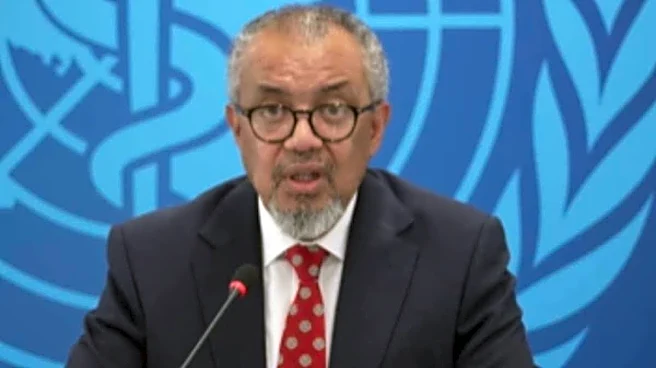
WHO Director-General Tedros Adhanom Ghebreyesus said the organisation was working closely with the ship’s operators and national authorities to monitor passengers and crew members, while reiterating that the overall public health risk remained low.
There is currently no specific cure for hantavirus infection. Treatment generally focuses on supportive medical care, including oxygen therapy, intensive care support, mechanical ventilation and dialysis where necessary.
WHO estimates there are between 10,000 and 100,000 hantavirus cases annually worldwide. Argentina records some of the highest numbers in the Americas region, with the WHO previously noting a lethality rate of around 32% for certain strains.
Also Read: Canary Islands leader rejects docking of cruise ship hit by hantavirus outbreak
The vessel, operated by Oceanwide Expeditions, had departed from Ushuaia in southern Argentina on an Antarctic and South Atlantic expedition voyage that included stops across Antarctica and remote islands in the South Atlantic Ocean, including South Georgia, Tristan da Cunha, Nightingale Island, St Helena and Ascension Island.
According to the World Health Organisation (WHO), eight hantavirus cases linked to the ship — three confirmed and five suspected — have so far been identified among passengers and crew members.
The first reported death associated with the outbreak occurred on April 11, when a passenger died aboard the ship after developing symptoms including fever, headache, abdominal pain and diarrhoea, according to reports citing South African authorities. At the time, passengers were reportedly informed that the death was due to "natural causes".
Travel blogger Ruhi Cenet later shared a video recorded on April 12 showing the ship’s captain telling passengers that a doctor had said the deceased passenger was "not infectious".
The body remained aboard until April 24, when it was disembarked at St Helena. The passenger’s wife left the ship at the same time and later travelled to South Africa, where she died on April 26 after her condition deteriorated during a flight to Johannesburg.
South African authorities later confirmed the Andes strain of hantavirus in her case. Her husband, however, has not been confirmed as a hantavirus case.
A third death involved a German passenger who died aboard the vessel. WHO said a 65-year-old German passenger evacuated from the ship was "closely associated" with the deceased passenger.
Authorities have confirmed hantavirus infection in at least one of the deceased passengers, while investigations into the remaining deaths are continuing.
The outbreak intensified after additional passengers and crew members developed symptoms consistent with hantavirus infection.
A British national, identified by several media outlets as former police officer Martin Anstee, was evacuated from the vessel and taken to a hospital in Johannesburg, South Africa, where authorities confirmed he tested positive for hantavirus.
His wife, Nicola Anstee, told the Daily Telegraph that his condition had fluctuated over several days before stabilising.
Three people were later evacuated from the ship to the Netherlands for treatment, according to Oceanwide Expeditions and WHO. They included the British national, a 41-year-old Dutch crew member, and a 65-year-old German passenger.
Spain’s health ministry also said the ship’s doctor, who had initially been expected to travel to the Canary Islands, was later evacuated directly to the Netherlands after his condition improved.
Authorities in Switzerland separately confirmed that a man who had travelled on the cruise ship tested positive for the Andes strain of hantavirus after returning from South America. Swiss officials said the man had disembarked earlier during the voyage at St Helena and was receiving treatment in Zurich, while his wife remained asymptomatic and self-isolating as a precaution.
Investigations into the source of the outbreak remain ongoing.
WHO officials said their working assumption was that the initial Dutch couple may have contracted the virus before boarding the vessel after travelling through Argentina and Chile. Officials are also examining whether passengers may have been exposed during bird-watching excursions on remote islands inhabited by rodents.
WHO officials additionally said they had been informed there were no rats aboard the ship.
What is Hantavirus?
Hantavirus is typically transmitted through exposure to infected rodents or their urine, droppings or saliva. However, health officials believe that limited human-to-human transmission may have occurred in this outbreak among passengers who were in very close contact.
South African and Swiss authorities confirmed the Andes strain in infected passengers. WHO officials said the Andes strain, found primarily in Argentina and Chile, has previously shown evidence of rare person-to-person transmission.
WHO epidemic preparedness director Maria Van Kerkhove said possible transmission may have occurred between close contacts sharing cabins or beds aboard the vessel.
As concerns grew, the ship became stranded off the coast of Cape Verde after authorities there did not permit passengers to disembark. WHO said passengers were isolating in their cabins while medical evacuations and repatriation efforts were coordinated.
Around 150 people from 23 countries remained aboard the vessel under what Oceanwide Expeditions described as “strict precautionary measures”.
The outbreak prompted a multinational public health response involving WHO, the UK Health Security Agency (UKHSA), the European Centre for Disease Prevention and Control, and authorities across several countries.
The UKHSA confirmed that two Britons who had disembarked earlier at St Helena had returned to the United Kingdom via Johannesburg and were self-isolating despite not showing symptoms.
UKHSA chief scientific officer Prof Robin May said authorities were tracing contacts, including family members, passengers who shared cabins and people seated near potentially exposed travellers on long-haul flights. Prof May also said current expert consensus suggested the virus may incubate for as long as six weeks.
The UK Foreign Office said it was “working urgently” to help British nationals return home safely.
The UKHSA also said it was coordinating with authorities in St Helena, Tristan da Cunha and Ascension Island on isolation and response protocols.
In the United States, authorities in Georgia and Arizona confirmed they were monitoring three passengers who had returned home after disembarking earlier during the voyage. Officials said none had shown symptoms.
The US State Department said it was in direct contact with affected passengers, while the Centers for Disease Control and Prevention (CDC) assessed the risk to the American public as “extremely low”.
Spanish authorities later agreed to allow the ship to dock at Granadilla port in Tenerife in the Canary Islands following requests from the WHO and European health authorities.
Spain’s health minister, Monica García, said all passengers would undergo medical assessments upon arrival and, if fit to travel, would be repatriated to their home countries. Spanish nationals would be quarantined in Madrid.
The decision prompted concern from Canary Islands regional president Fernando Clavijo, who publicly questioned the risks posed by allowing the vessel to dock.
WHO Director-General Tedros Adhanom Ghebreyesus said the organisation was working closely with the ship’s operators and national authorities to monitor passengers and crew members, while reiterating that the overall public health risk remained low.
There is currently no specific cure for hantavirus infection. Treatment generally focuses on supportive medical care, including oxygen therapy, intensive care support, mechanical ventilation and dialysis where necessary.
WHO estimates there are between 10,000 and 100,000 hantavirus cases annually worldwide. Argentina records some of the highest numbers in the Americas region, with the WHO previously noting a lethality rate of around 32% for certain strains.
Also Read: Canary Islands leader rejects docking of cruise ship hit by hantavirus outbreak

/images/ppid_59c68470-image-177838005932973474.webp)
/images/ppid_59c68470-image-177822256212341788.webp)
/images/ppid_59c68470-image-177829503461918533.webp)


/images/ppid_a911dc6a-image-177834442484455414.webp)


/images/ppid_a911dc6a-image-177821003249367978.webp)