/images/ppid_59c68470-image-177554503169116759.webp)



What is the story about?
The Strait of Hormuz is no longer just a geopolitical flashpoint, it has become the single biggest variable for global markets.
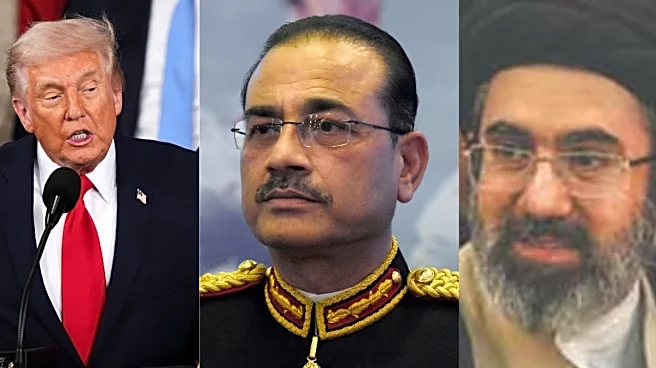
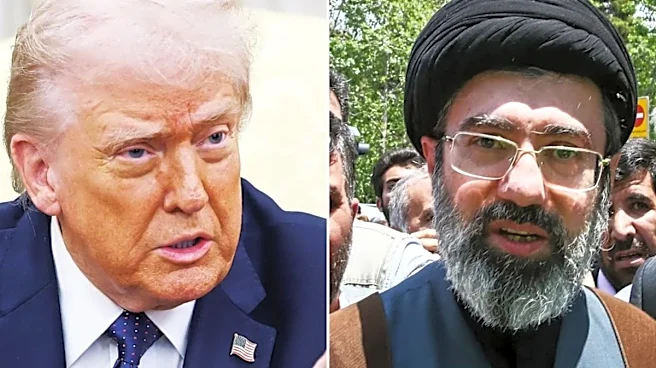
US President Donald Trump has warned Iran to restore normal shipping through the Strait or face an escalation in military action. Tehran hasn’t fully shut the route, but disruptions have slowed traffic to a trickle, enough to rattle energy traders and insurers alike.
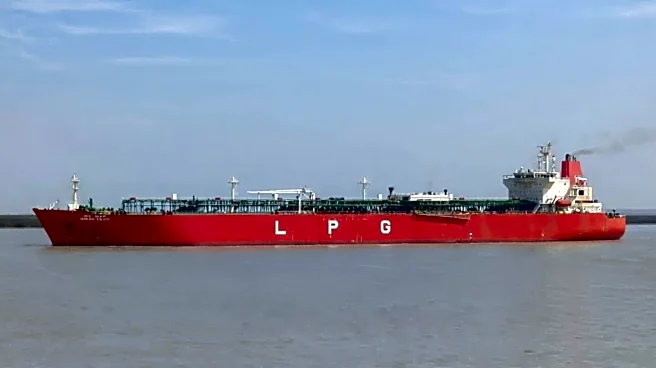
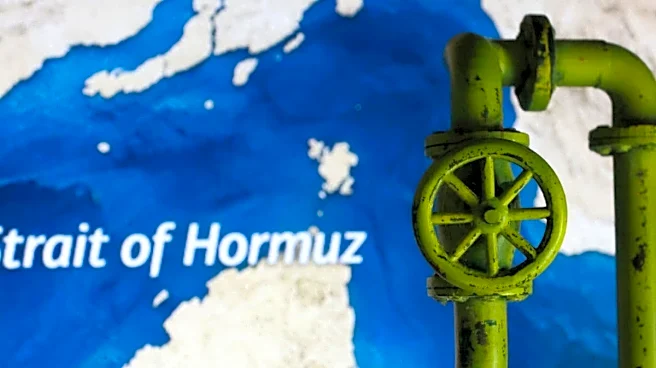
Hormuz is not easily replaceable. Nearly a quarter of the world’s seaborne oil, about 20 million barrels a day, moves through this narrow corridor linking the Persian Gulf to global markets. At its tightest, shipping lanes shrink to just a few kilometres across.
For markets, the question is no longer whether flows are at risk, but how they resume and at what cost.
THREE scenarios are now in play.
1. A ceasefire that comes with a price
The most likely outcome is also the most complicated: a reopening without a reset.
If Iran agrees to ease disruptions under diplomatic pressure, it will still retain effective control over the Strait. That raises the prospect of a new, informal cost of passage.
Such tolling would sit outside established international norms but markets may not wait for legal clarity. Shipping companies and insurers are likely to price in the risk immediately, pushing up freight and energy costs.
In this scenario, oil flows resume but at a structurally higher cost base. The impact would be gradual, but persistent.
2. A forceful reopening led by the US
The second scenario is more direct: a US-led effort to secure the Strait militarily.
Washington has already built up troop presence across the Gulf, but reopening Hormuz would require more than airstrikes. It would mean sustained naval operations—clearing mines, deterring attacks, and escorting commercial vessels through one of the world’s most vulnerable choke points.
That is both resource-intensive and politically fraught. Crucially, allies have shown limited appetite to join such an effort, raising the cost and risk of unilateral action.
For now, despite the rhetoric, this remains a lower-probability path. But if pursued, it would likely trigger sharp, short-term volatility in oil prices.
3. De-escalation first, stability later
The third path separates the war from the waterway.
Under this scenario, hostilities wind down, but secure passage through Hormuz is restored only gradually, likely through a multinational effort.
The United Nations Security Council has already taken steps on maritime security, and further action could authorise a coalition to safeguard shipping.
Countries including the UK, Australia and potentially China could participate but only once active conflict subsides. Few are willing to commit naval assets while tensions remain high.
This would delay a full recovery in shipping flows, prolonging uncertainty in energy markets even after the fighting stops.
Across all three scenarios, one shift stands out: The pre-crisis status quo is unlikely to return. Even in a de-escalation, Iran’s geographic position ensures it retains leverage over the Strait of Hormuz. That introduces a persistent risk premium that traders, insurers and governments will have to factor in.
(With inputs from PTI/AP)
Catch latest updates on the war LIVE here.
US President Donald Trump has warned Iran to restore normal shipping through the Strait or face an escalation in military action. Tehran hasn’t fully shut the route, but disruptions have slowed traffic to a trickle, enough to rattle energy traders and insurers alike.
Hormuz is not easily replaceable. Nearly a quarter of the world’s seaborne oil, about 20 million barrels a day, moves through this narrow corridor linking the Persian Gulf to global markets. At its tightest, shipping lanes shrink to just a few kilometres across.
For markets, the question is no longer whether flows are at risk, but how they resume and at what cost.
THREE scenarios are now in play.
1. A ceasefire that comes with a price
The most likely outcome is also the most complicated: a reopening without a reset.
If Iran agrees to ease disruptions under diplomatic pressure, it will still retain effective control over the Strait. That raises the prospect of a new, informal cost of passage.
There
are tentative indications that some vessels may be incurring additional payments to secure safe passage out of the Gulf, though most credible reporting, including from Reuters, points primarily to rising insurance and transit costs.
Such tolling would sit outside established international norms but markets may not wait for legal clarity. Shipping companies and insurers are likely to price in the risk immediately, pushing up freight and energy costs.
In this scenario, oil flows resume but at a structurally higher cost base. The impact would be gradual, but persistent.
2. A forceful reopening led by the US
The second scenario is more direct: a US-led effort to secure the Strait militarily.
Washington has already built up troop presence across the Gulf, but reopening Hormuz would require more than airstrikes. It would mean sustained naval operations—clearing mines, deterring attacks, and escorting commercial vessels through one of the world’s most vulnerable choke points.
That is both resource-intensive and politically fraught. Crucially, allies have shown limited appetite to join such an effort, raising the cost and risk of unilateral action.
For now, despite the rhetoric, this remains a lower-probability path. But if pursued, it would likely trigger sharp, short-term volatility in oil prices.
3. De-escalation first, stability later
The third path separates the war from the waterway.
Under this scenario, hostilities wind down, but secure passage through Hormuz is restored only gradually, likely through a multinational effort.
The United Nations Security Council has already taken steps on maritime security, and further action could authorise a coalition to safeguard shipping.
Countries including the UK, Australia and potentially China could participate but only once active conflict subsides. Few are willing to commit naval assets while tensions remain high.
This would delay a full recovery in shipping flows, prolonging uncertainty in energy markets even after the fighting stops.
Across all three scenarios, one shift stands out: The pre-crisis status quo is unlikely to return. Even in a de-escalation, Iran’s geographic position ensures it retains leverage over the Strait of Hormuz. That introduces a persistent risk premium that traders, insurers and governments will have to factor in.
(With inputs from PTI/AP)
Catch latest updates on the war LIVE here.
/images/ppid_a911dc6a-image-177552963554321784.webp)


/images/ppid_59c68470-image-177544505096960118.webp)
/images/ppid_59c68470-image-177552003368750954.webp)
/images/ppid_59c68470-image-177547757586634388.webp)