/images/ppid_59c68470-image-177584505670191727.webp)


/images/ppid_59c68470-image-177565753563236458.webp)

What is the story about?
The Strait of Hormuz could emerge as the central sticking point in the upcoming US-Iran ceasefire talks in Islamabad, with deep mistrust and sharply divergent positions threatening to derail negotiations, according to Ajay Bisaria, Corporate Strategic Advisor and Distinguished Fellow at the Observer Research Foundation.
Speaking to CNBC-TV18 ahead of the high-stakes talks, Bisaria said both sides are entering negotiations with “maximalist positions” and limited room for compromise. “We have both Iran and the US sticking to maximalist positions,” he said, adding that the situation remains “very difficult” and that he is “pessimistic, though I hope I am wrong”.
At the heart of the disagreement lies the Strait of Hormuz, a critical global energy chokepoint. Bisaria noted that Iran sees control over the strait as a strategic lever, while the US is likely to push for unrestricted access. “The Iranians now have a strong lever of deterrence… and they will not want to let it go,” he said, flagging it as a potential deal-breaker.
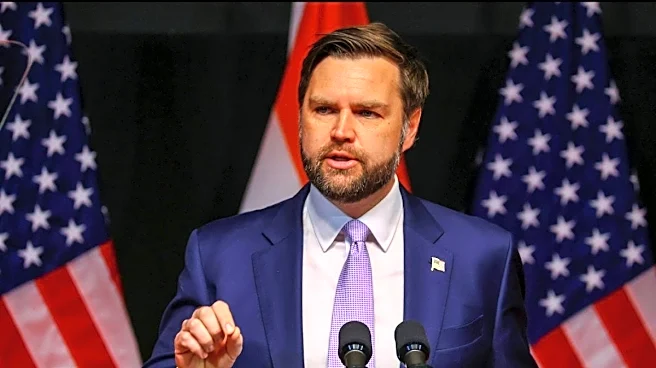
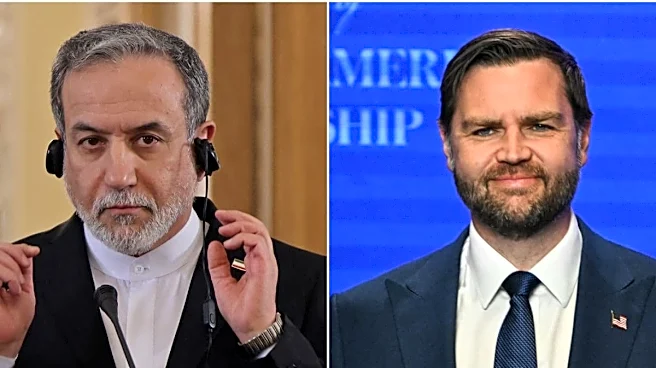
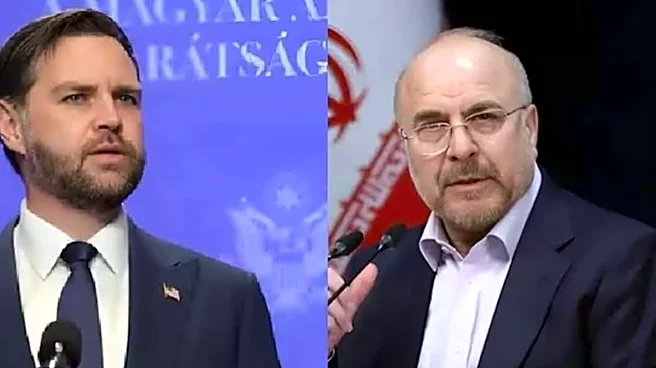
The talks come as Islamabad remains on high alert, with extensive security arrangements in place ahead of the arrival of senior officials from both sides. The US delegation will be led by Vice President JD Vance, along with Steve Witkoff and Jared Kushner. The Iranian delegation is expected to include senior political and possibly military figures, although details remain unclear.
Bisaria highlighted that the negotiations are taking place amid a backdrop of heightened tensions, with both sides signalling readiness for escalation. Referring to statements by Donald Trump, he said the US posture suggests it is “locked and loaded, ready to fight in case there is no deal”, with Iran issuing similar warnings.
Despite the parallel escalation in Lebanon, Bisaria believes the US has attempted to ring-fence the issue to prevent it from derailing the talks. “The Americans are trying to tell the Iranians that the Israel-Lebanon war has its own dynamics,” he said. While there is some divergence between US and Israeli strategic objectives, he added that this is “not likely to be a deal-breaker”.
Violence in Lebanon continues to intensify, with over 300 reported deaths in recent strikes, marking one of the deadliest episodes since the country’s civil war. Israeli Prime Minister Benjamin Netanyahu has indicated readiness for talks, even as military operations continue.
On Pakistan’s role, Bisaria described it as a conduit rather than a traditional mediator. “Pakistan is seen by the US as a controllable channel… a faithful conduit passing on messages,” he said, citing both historical precedent and geographical relevance.
Also Read | Iran's Lebanon demand likely negotiation tactic, not deal breaker for US talks: Ex-envoy
He also pointed to Iran’s deep distrust, shaped by previous failed negotiation attempts. Talks brokered earlier by regional players had collapsed amid ongoing hostilities, making Tehran cautious about current engagements.
Ultimately, Bisaria said the definition of success differs sharply for both sides. For Iran, “survival is success”, while the US is seeking a “credible declaration of victory”. The gap between these objectives, combined with disputes over the Strait of Hormuz, underscores the fragile nature of the negotiations set to unfold in Islamabad.
Speaking to CNBC-TV18 ahead of the high-stakes talks, Bisaria said both sides are entering negotiations with “maximalist positions” and limited room for compromise. “We have both Iran and the US sticking to maximalist positions,” he said, adding that the situation remains “very difficult” and that he is “pessimistic, though I hope I am wrong”.
At the heart of the disagreement lies the Strait of Hormuz, a critical global energy chokepoint. Bisaria noted that Iran sees control over the strait as a strategic lever, while the US is likely to push for unrestricted access. “The Iranians now have a strong lever of deterrence… and they will not want to let it go,” he said, flagging it as a potential deal-breaker.
The talks come as Islamabad remains on high alert, with extensive security arrangements in place ahead of the arrival of senior officials from both sides. The US delegation will be led by Vice President JD Vance, along with Steve Witkoff and Jared Kushner. The Iranian delegation is expected to include senior political and possibly military figures, although details remain unclear.
Bisaria highlighted that the negotiations are taking place amid a backdrop of heightened tensions, with both sides signalling readiness for escalation. Referring to statements by Donald Trump, he said the US posture suggests it is “locked and loaded, ready to fight in case there is no deal”, with Iran issuing similar warnings.
Despite the parallel escalation in Lebanon, Bisaria believes the US has attempted to ring-fence the issue to prevent it from derailing the talks. “The Americans are trying to tell the Iranians that the Israel-Lebanon war has its own dynamics,” he said. While there is some divergence between US and Israeli strategic objectives, he added that this is “not likely to be a deal-breaker”.
Violence in Lebanon continues to intensify, with over 300 reported deaths in recent strikes, marking one of the deadliest episodes since the country’s civil war. Israeli Prime Minister Benjamin Netanyahu has indicated readiness for talks, even as military operations continue.
On Pakistan’s role, Bisaria described it as a conduit rather than a traditional mediator. “Pakistan is seen by the US as a controllable channel… a faithful conduit passing on messages,” he said, citing both historical precedent and geographical relevance.
Also Read | Iran's Lebanon demand likely negotiation tactic, not deal breaker for US talks: Ex-envoy
He also pointed to Iran’s deep distrust, shaped by previous failed negotiation attempts. Talks brokered earlier by regional players had collapsed amid ongoing hostilities, making Tehran cautious about current engagements.
Ultimately, Bisaria said the definition of success differs sharply for both sides. For Iran, “survival is success”, while the US is seeking a “credible declaration of victory”. The gap between these objectives, combined with disputes over the Strait of Hormuz, underscores the fragile nature of the negotiations set to unfold in Islamabad.

/images/ppid_59c68470-image-177573261037066749.webp)
/images/ppid_59c68470-image-177574760457254768.webp)
/images/ppid_59c68470-image-177567507260858689.webp)