/images/ppid_59c68470-image-177567507260858689.webp)

/images/ppid_59c68470-image-177546252996877041.webp)
/images/ppid_59c68470-image-1775672532628398.webp)
What is the story about?
A two-week ceasefire between the United States and Iran has brought immediate relief to global markets and eased fears of a wider conflict, but experts warn that the situation remains fragile with significant risks of renewed escalation.
Speaking to CNBC-TV18, Victor Gao, Chair Professor at Soochow University, said the truce is “very good news for the whole world,” pointing to the sharp fall in crude oil prices below $100 per barrel and a rally in global equities following the announcement. However, he cautioned that uncertainty over Washington’s next move continues to weigh on the outlook. “Whether the United States will deliver what it has promised within the coming two weeks or so is still questionable,” Gao said, adding that the pause could either pave the way for peace or serve as preparation for further military action.
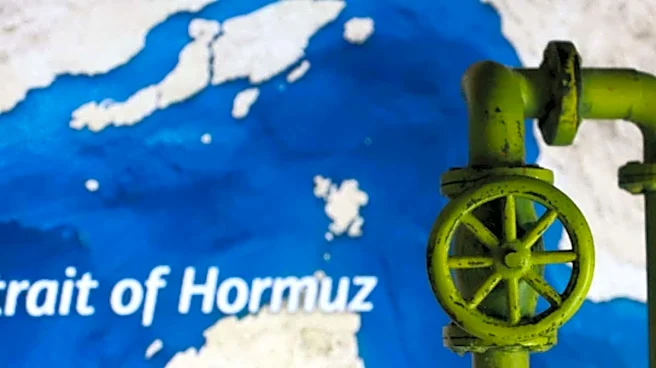
The ceasefire, announced just hours before US President Donald Trump’s deadline for potential strikes on Iranian infrastructure, is contingent on the full reopening of the Strait of Hormuz, a critical artery for global oil trade. Iran has assured safe passage through the strait during this period, while the US has offered support to ease shipping congestion, helping calm energy markets.
Gao noted that the conflict has imposed heavy costs on all sides, describing it as “completely insane, unwarranted and worthless,” with no clear winner despite significant losses in lives, infrastructure and economic stability. He added that diplomatic efforts, particularly by China and Pakistan, played an important role in bringing both sides to the negotiating table.
While the ceasefire has stabilised sentiment for now, concerns persist over its durability. Manpreet Sethi, Distinguished Fellow at CAPPS, said the agreement has eased immediate tensions but warned that maintaining it will be a challenge given the number of stakeholders involved. “The concern now is whether the ceasefire will hold, because there are three parties involved and any one of them could jeopardise it,” she said, adding that the next two weeks will be critical in determining whether the truce evolves into a lasting settlement.
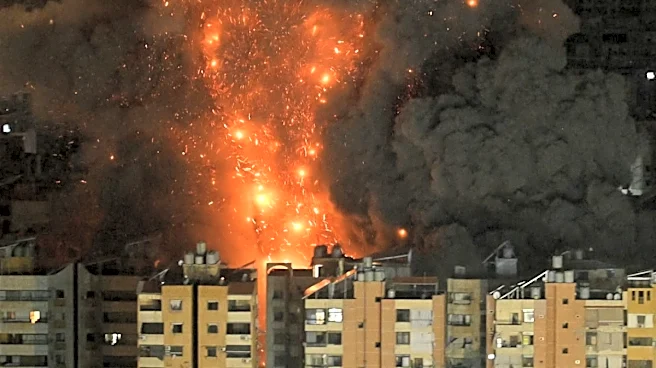
Geopolitical risks remain elevated on the ground. Israel has backed the ceasefire but indicated that operations linked to Lebanon will continue, even as Iran has issued fresh threats of retaliation. Reports of drone interceptions and attacks on infrastructure in the region underline the volatility despite the formal pause in hostilities.
At the same time, new economic dimensions are emerging from the conflict. Iran is considering imposing transit fees of up to $2 million per vessel through the Strait of Hormuz, a move that could potentially generate tens of billions of dollars annually and reshape global shipping costs. The proposal comes amid broader discussions, including a reported 10-point framework from Tehran covering issues such as sanctions relief, control over the strait and nuclear enrichment.
Also Read | US-Iran ceasefire fragile, deep distrust could derail talks: Former foreign secretary
Sethi also flagged lingering uncertainty around Iran’s nuclear programme, noting that limited visibility since recent strikes has raised fresh concerns. “We do not know where it is safe, or whether it is buried under debris,” she said, highlighting the risks associated with military action near nuclear facilities and the potential for wider regional consequences.
With Pakistan set to host high-level talks aimed at securing a more durable agreement, the coming days are expected to be decisive. For now, the ceasefire has offered a breather to markets and policymakers alike, but as both experts emphasised, the path ahead remains uncertain and the risk of escalation is far from over.
Speaking to CNBC-TV18, Victor Gao, Chair Professor at Soochow University, said the truce is “very good news for the whole world,” pointing to the sharp fall in crude oil prices below $100 per barrel and a rally in global equities following the announcement. However, he cautioned that uncertainty over Washington’s next move continues to weigh on the outlook. “Whether the United States will deliver what it has promised within the coming two weeks or so is still questionable,” Gao said, adding that the pause could either pave the way for peace or serve as preparation for further military action.
The ceasefire, announced just hours before US President Donald Trump’s deadline for potential strikes on Iranian infrastructure, is contingent on the full reopening of the Strait of Hormuz, a critical artery for global oil trade. Iran has assured safe passage through the strait during this period, while the US has offered support to ease shipping congestion, helping calm energy markets.
Gao noted that the conflict has imposed heavy costs on all sides, describing it as “completely insane, unwarranted and worthless,” with no clear winner despite significant losses in lives, infrastructure and economic stability. He added that diplomatic efforts, particularly by China and Pakistan, played an important role in bringing both sides to the negotiating table.
While the ceasefire has stabilised sentiment for now, concerns persist over its durability. Manpreet Sethi, Distinguished Fellow at CAPPS, said the agreement has eased immediate tensions but warned that maintaining it will be a challenge given the number of stakeholders involved. “The concern now is whether the ceasefire will hold, because there are three parties involved and any one of them could jeopardise it,” she said, adding that the next two weeks will be critical in determining whether the truce evolves into a lasting settlement.
Geopolitical risks remain elevated on the ground. Israel has backed the ceasefire but indicated that operations linked to Lebanon will continue, even as Iran has issued fresh threats of retaliation. Reports of drone interceptions and attacks on infrastructure in the region underline the volatility despite the formal pause in hostilities.
At the same time, new economic dimensions are emerging from the conflict. Iran is considering imposing transit fees of up to $2 million per vessel through the Strait of Hormuz, a move that could potentially generate tens of billions of dollars annually and reshape global shipping costs. The proposal comes amid broader discussions, including a reported 10-point framework from Tehran covering issues such as sanctions relief, control over the strait and nuclear enrichment.
Also Read | US-Iran ceasefire fragile, deep distrust could derail talks: Former foreign secretary
Sethi also flagged lingering uncertainty around Iran’s nuclear programme, noting that limited visibility since recent strikes has raised fresh concerns. “We do not know where it is safe, or whether it is buried under debris,” she said, highlighting the risks associated with military action near nuclear facilities and the potential for wider regional consequences.
With Pakistan set to host high-level talks aimed at securing a more durable agreement, the coming days are expected to be decisive. For now, the ceasefire has offered a breather to markets and policymakers alike, but as both experts emphasised, the path ahead remains uncertain and the risk of escalation is far from over.
/images/ppid_59c68470-image-177565753563236458.webp)
/images/ppid_59c68470-image-177558509783844672.webp)

/images/ppid_59c68470-image-177561502503962378.webp)
/images/ppid_59c68470-image-177558003445838883.webp)
/images/ppid_59c68470-image-177563002819132492.webp)