/images/ppid_59c68470-image-177555007178356313.webp)


/images/ppid_59c68470-image-177544505096960118.webp)

What is the story about?
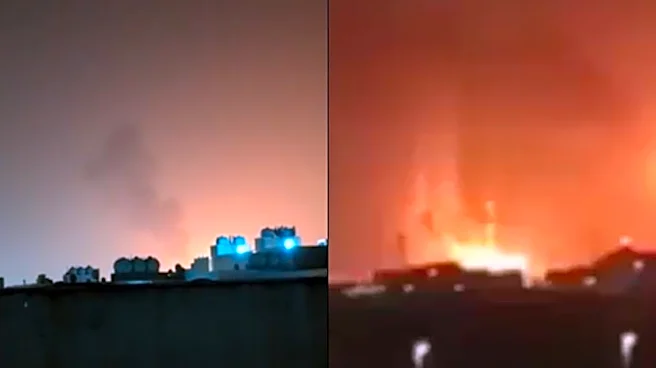
An Iranian missile has reported stuck Jubail, which is home to major production facilities operated by SABIC, one of the world’s largest petrochemical manufacturers, with total output estimated at 55.5 million tonnes per annum as of December 2025.
The industrial complex— a $20 billion venture between Saudi Aramco and Dow Chemical—is a cornerstone of Saudi Arabia’s petrochemical sector.
It produces large volumes of essential chemicals including ethylene, propylene, styrene, polyvinyl chloride (PVC), ethylene glycol, methanol, and methyl tert-butyl ether (MTBE), a widely used fuel additive.
According to a report by ICICI Securities, Saudi Arabia accounts for roughly 9% of global petrochemical supplies, with Jubail alone contributing an estimated 5–6%. The scale of operations at the complex means any disruption could have ripple effects across international supply chains.
Ethylene production at Jubail is particularly significant, with capacity estimated at 6–8 million tonnes per annum equivalent to, including ongoing expansions, around 3% of global capacity.
While the direct impact on global ethylene, polyethylene (PE), and polypropylene (PP) supply may be manageable in the short term, analysts warn that disruptions at such a large facility could still trigger localised shortages and price volatility.
Any return of production is “contingent on domestic and international factors,” Sadara Chemical Co, which has a unit in the Jubail complex, reportedly said in a statement to the agencies.
The risk is more pronounced in specialty chemicals and key intermediates. Jubail houses monoethylene glycol (MEG) capacity of approximately 2–3 million tonnes annually, out of a global market of around 40 million tonnes, making it a critical supplier.
MEG is a vital input for polyester production, widely used in textiles. Methanol production at the complex also plays a key role in multiple downstream chemical processes.
“An outage of this scale can create material supply shocks in the global value chain,” ICICI Securities noted, highlighting the systemic risks tied to disruptions in specialty chemicals and intermediates.
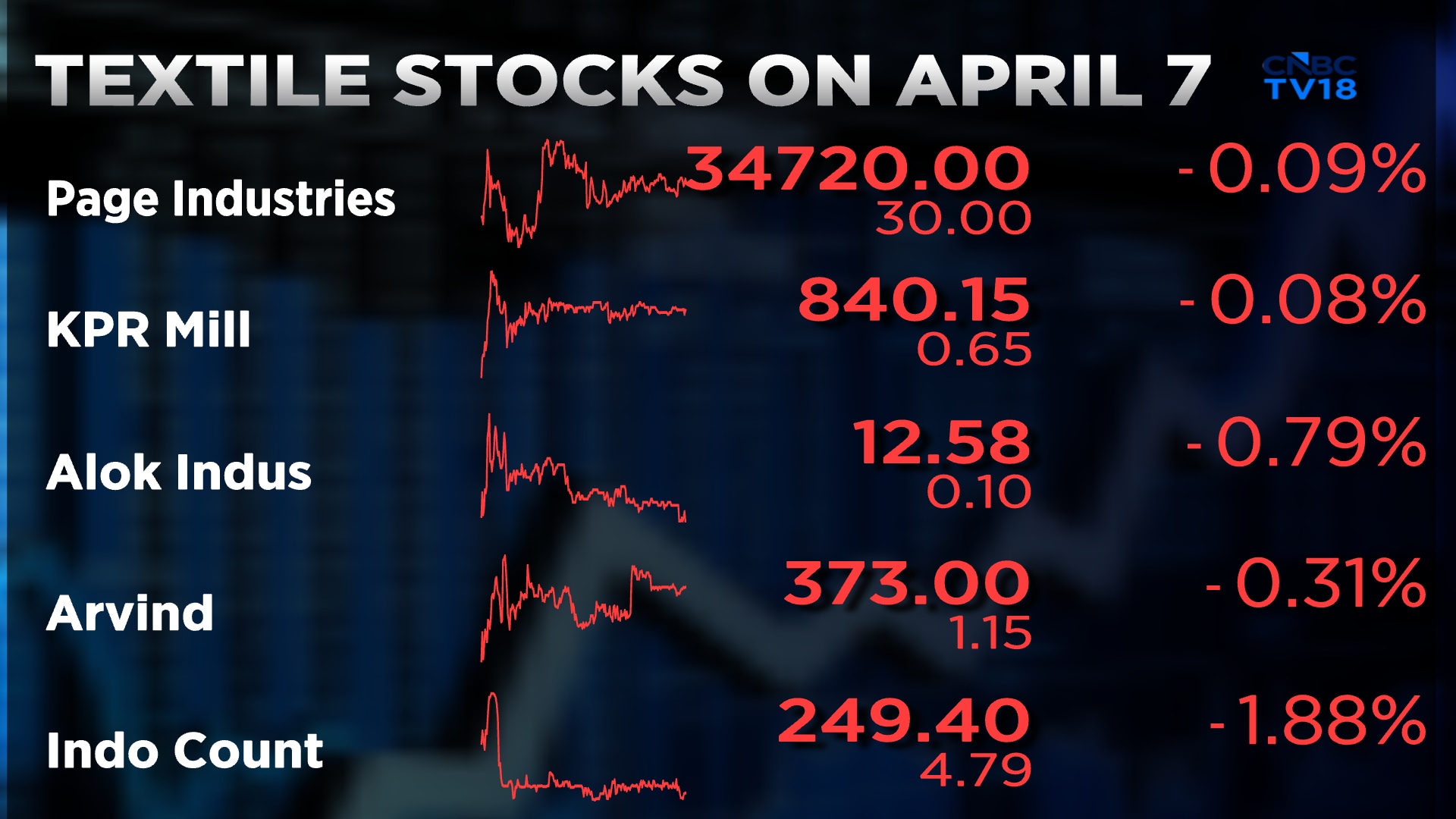
India, which relies heavily on imports of certain petrochemical intermediates and speciality chemicals, could face significant downstream effects. While dependence on PE and PP imports is relatively limited, sectors reliant on MEG and other intermediates are more vulnerable.
The textile industry, in particular, may face supply constraints due to its reliance on MEG for polyester production. Additionally, industries such as packaging, plastics, fast-moving consumer goods (FMCG), and pipes could face cost pressures from tighter global supplies and potential price spikes in polyethene and polypropylene.
A shortage of polypropylene may further impact industrial plastics and packaging applications.
Analysts suggest that while integrated petrochemical players such as Reliance Industries Limited could benefit from higher prices, the broader impact on downstream sectors in India is likely to be negative, with supply disruptions and increased input costs posing significant challenges.
As the situation develops, market participants are closely monitoring the extent of damage and the timeline for any restoration of production at Jubail, given its outsized influence on global petrochemical flows.
Read more: This Indian multi-bagger has weathered both Trump tariffs and the war so far
The industrial complex— a $20 billion venture between Saudi Aramco and Dow Chemical—is a cornerstone of Saudi Arabia’s petrochemical sector.
It produces large volumes of essential chemicals including ethylene, propylene, styrene, polyvinyl chloride (PVC), ethylene glycol, methanol, and methyl tert-butyl ether (MTBE), a widely used fuel additive.
According to a report by ICICI Securities, Saudi Arabia accounts for roughly 9% of global petrochemical supplies, with Jubail alone contributing an estimated 5–6%. The scale of operations at the complex means any disruption could have ripple effects across international supply chains.
Ethylene production at Jubail is particularly significant, with capacity estimated at 6–8 million tonnes per annum equivalent to, including ongoing expansions, around 3% of global capacity.
While the direct impact on global ethylene, polyethylene (PE), and polypropylene (PP) supply may be manageable in the short term, analysts warn that disruptions at such a large facility could still trigger localised shortages and price volatility.
Any return of production is “contingent on domestic and international factors,” Sadara Chemical Co, which has a unit in the Jubail complex, reportedly said in a statement to the agencies.
The risk is more pronounced in specialty chemicals and key intermediates. Jubail houses monoethylene glycol (MEG) capacity of approximately 2–3 million tonnes annually, out of a global market of around 40 million tonnes, making it a critical supplier.
MEG is a vital input for polyester production, widely used in textiles. Methanol production at the complex also plays a key role in multiple downstream chemical processes.
“An outage of this scale can create material supply shocks in the global value chain,” ICICI Securities noted, highlighting the systemic risks tied to disruptions in specialty chemicals and intermediates.
Share prices as at 1:10 pm on Tuesday
Impact on India
India, which relies heavily on imports of certain petrochemical intermediates and speciality chemicals, could face significant downstream effects. While dependence on PE and PP imports is relatively limited, sectors reliant on MEG and other intermediates are more vulnerable.
The textile industry, in particular, may face supply constraints due to its reliance on MEG for polyester production. Additionally, industries such as packaging, plastics, fast-moving consumer goods (FMCG), and pipes could face cost pressures from tighter global supplies and potential price spikes in polyethene and polypropylene.
A shortage of polypropylene may further impact industrial plastics and packaging applications.
Analysts suggest that while integrated petrochemical players such as Reliance Industries Limited could benefit from higher prices, the broader impact on downstream sectors in India is likely to be negative, with supply disruptions and increased input costs posing significant challenges.
As the situation develops, market participants are closely monitoring the extent of damage and the timeline for any restoration of production at Jubail, given its outsized influence on global petrochemical flows.
Read more: This Indian multi-bagger has weathered both Trump tariffs and the war so far
/images/ppid_59c68470-image-177549503029187736.webp)

/images/ppid_a911dc6a-image-177547247010740457.webp)

/images/ppid_a911dc6a-image-177552963554321784.webp)
/images/ppid_a911dc6a-image-177542043321115967.webp)