/images/ppid_59c68470-image-177989757327073571.webp)

/images/ppid_59c68470-image-177998008991430403.webp)
What is the story about?
The United States and Iran appeared to be moving closer to a preliminary peace understanding after Iranian state media on Wednesday released what it described as initial details of a draft memorandum of understanding aimed at ending the conflict and restoring commercial shipping through the Strait of Hormuz.
However, the White House later rejected the reports, saying the purported memorandum was “not true” and describing it as “a complete fabrication.”
Earlier in the day, Iranian state television and the Mizan news agency reported that the proposed framework would involve a phased US military pullback from the vicinity of Iran and the lifting of what Tehran described as a US naval blockade around the Strait of Hormuz.
In return, Iran would commit to restoring commercial shipping traffic through the strategically vital waterway to pre-war levels within one month.
Iranian media said military vessels are not covered under the current draft arrangement and that ship traffic through the Strait would be managed by Iran in coordination with Oman.
The reports stressed that the framework remained preliminary and unofficial, with negotiations and “tangible verification” still required before Tehran moves ahead with any final agreement.
According to the reported terms, if a final agreement is reached within 60 days, the deal could be formalised through a binding United Nations Security Council resolution.
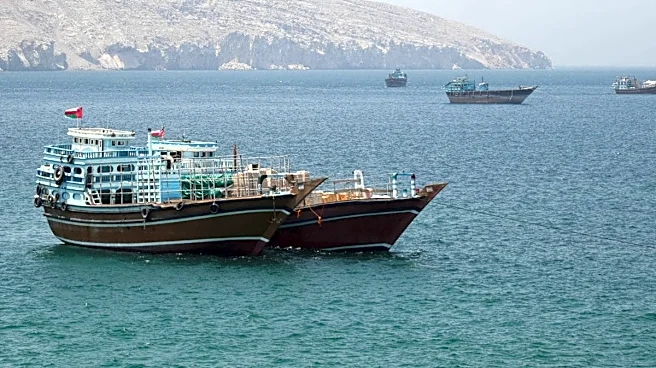
The Strait of Hormuz is one of the world’s most critical oil shipping routes, carrying a significant share of global crude exports. News of the reported framework initially pushed US crude oil prices lower, with prices falling below $89 per barrel amid hopes of easing supply disruptions and reduced geopolitical risk in West Asia.
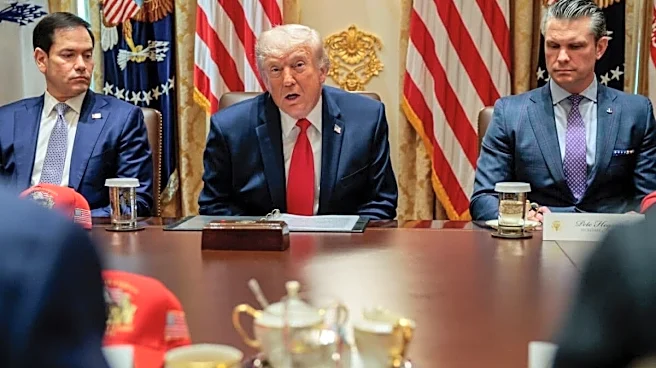
The developments come amid broader diplomatic efforts by US President Donald Trump to negotiate a wider regional settlement involving Iran and several Middle Eastern countries.
But the White House later pushed back strongly against the Iranian reports.
“This report from Iranian controlled media is not true and the MOU they ‘released’ is a complete fabrication,” a White House spokesperson said.
The conflicting statements underscore the uncertainty surrounding ongoing US-Iran negotiations and the fragile state of diplomacy in the region.
However, the White House later rejected the reports, saying the purported memorandum was “not true” and describing it as “a complete fabrication.”
Earlier in the day, Iranian state television and the Mizan news agency reported that the proposed framework would involve a phased US military pullback from the vicinity of Iran and the lifting of what Tehran described as a US naval blockade around the Strait of Hormuz.
In return, Iran would commit to restoring commercial shipping traffic through the strategically vital waterway to pre-war levels within one month.
Iranian media said military vessels are not covered under the current draft arrangement and that ship traffic through the Strait would be managed by Iran in coordination with Oman.
The reports stressed that the framework remained preliminary and unofficial, with negotiations and “tangible verification” still required before Tehran moves ahead with any final agreement.
According to the reported terms, if a final agreement is reached within 60 days, the deal could be formalised through a binding United Nations Security Council resolution.
The Strait of Hormuz is one of the world’s most critical oil shipping routes, carrying a significant share of global crude exports. News of the reported framework initially pushed US crude oil prices lower, with prices falling below $89 per barrel amid hopes of easing supply disruptions and reduced geopolitical risk in West Asia.
The developments come amid broader diplomatic efforts by US President Donald Trump to negotiate a wider regional settlement involving Iran and several Middle Eastern countries.
But the White House later pushed back strongly against the Iranian reports.
“This report from Iranian controlled media is not true and the MOU they ‘released’ is a complete fabrication,” a White House spokesperson said.
The conflicting statements underscore the uncertainty surrounding ongoing US-Iran negotiations and the fragile state of diplomacy in the region.
/images/ppid_59c68470-image-178007002879662237.webp)
/images/ppid_59c68470-image-177988753116639099.webp)


/images/ppid_59c68470-image-177995502908089695.webp)
/images/ppid_59c68470-image-177993252798975676.webp)
/images/ppid_59c68470-image-17799475971677979.webp)
/images/ppid_59c68470-image-178002021557599566.webp)