/images/ppid_59c68470-image-177885256778177956.webp)

/images/ppid_a911dc6a-image-177860284108364200.webp)
/images/ppid_59c68470-image-177857502624711574.webp)
What is the story about?
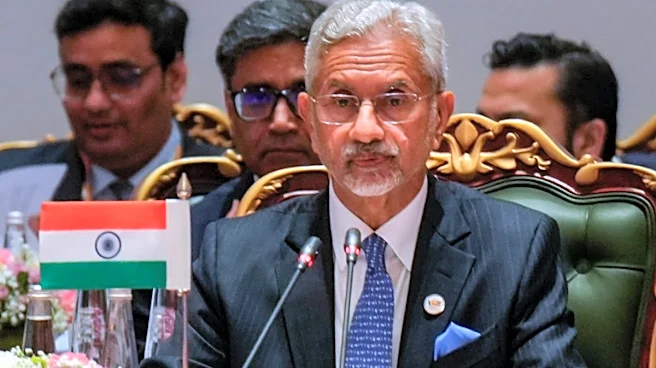
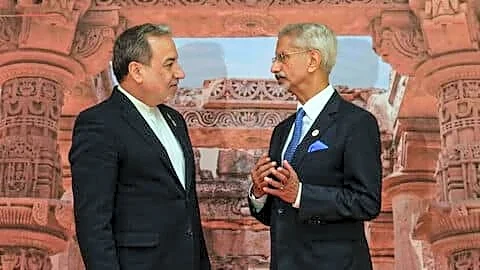
Top diplomats from BRICS nations failed to issue a joint statement after a two-day foreign ministers’ meeting in New Delhi, with India instead releasing a Chair’s Statement reflecting differing views among members on the West Asia crisis.
Speaking at a press coneference, MEA Secretary (Economic Relations) Sudhakar Dalela said “one member in the region had a different view” and, as Chair, India had incorporated those perspectives in the outcome document while facilitating dialogue among members.
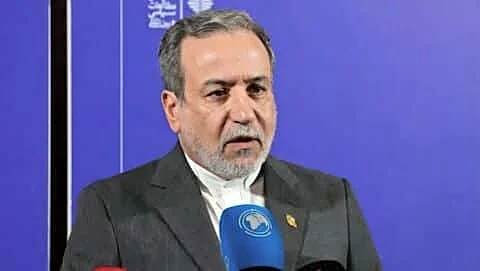
Sources told CNBC-TV18 that Iran was the sole dissenting voice on paragraphs related to free waterways and Palestine in the BRICS outcome statement.
According to the sources, Tehran had expressed reservations over the formulation of the paragraph concerning Palestine in the statement.
Dalela said the 63-paragraph outcome document reflected common positions on a wide range of global and regional issues, including reform of the United Nations Security Council, terrorism, biodiversity, health and supply chains.
He said BRICS foreign ministers underscored the need for “reformed multilateralism” and discussed the disproportionate impact of unilateral measures on countries, with a rules-based multilateral trading system and World Trade Organization reform also featuring prominently in deliberations.
On West Asia, Dalela said there was a frank and candid exchange of national positions among members, with discussions covering diplomacy, sovereignty, maritime security and protection of civilian lives.
He said, “On the situation in West Asia, I would say that there was a frank and candid exchange of assessments and national positions among all BRICS members. It is a fact that there were differing views among some members regarding the situation in West Asia."
He added, "The views articulated by members included the need for an early resolution of the current crisis, the importance of dialogue and diplomacy, respect for sovereignty and territorial integrity, upholding international law, ensuring the safe and unimpeded flow of maritime commerce through international waterways, and the protection of civilian infrastructure and civilian lives."
Despite the differences, India said the outcome document represented a “very positive outcome” and would help prepare the ground for the BRICS Summit later this year.
Also Read: Experts flag gap between Trump’s claims and China’s public stance after summit
Speaking at a press coneference, MEA Secretary (Economic Relations) Sudhakar Dalela said “one member in the region had a different view” and, as Chair, India had incorporated those perspectives in the outcome document while facilitating dialogue among members.
Sources told CNBC-TV18 that Iran was the sole dissenting voice on paragraphs related to free waterways and Palestine in the BRICS outcome statement.
According to the sources, Tehran had expressed reservations over the formulation of the paragraph concerning Palestine in the statement.
Dalela said the 63-paragraph outcome document reflected common positions on a wide range of global and regional issues, including reform of the United Nations Security Council, terrorism, biodiversity, health and supply chains.
He said BRICS foreign ministers underscored the need for “reformed multilateralism” and discussed the disproportionate impact of unilateral measures on countries, with a rules-based multilateral trading system and World Trade Organization reform also featuring prominently in deliberations.
On West Asia, Dalela said there was a frank and candid exchange of national positions among members, with discussions covering diplomacy, sovereignty, maritime security and protection of civilian lives.
He said, “On the situation in West Asia, I would say that there was a frank and candid exchange of assessments and national positions among all BRICS members. It is a fact that there were differing views among some members regarding the situation in West Asia."
He added, "The views articulated by members included the need for an early resolution of the current crisis, the importance of dialogue and diplomacy, respect for sovereignty and territorial integrity, upholding international law, ensuring the safe and unimpeded flow of maritime commerce through international waterways, and the protection of civilian infrastructure and civilian lives."
Despite the differences, India said the outcome document represented a “very positive outcome” and would help prepare the ground for the BRICS Summit later this year.
Also Read: Experts flag gap between Trump’s claims and China’s public stance after summit

/images/ppid_a911dc6a-image-177875362935251515.webp)


/images/ppid_59c68470-image-177876509788494134.webp)
/images/ppid_59c68470-image-177885260780727407.webp)