/images/ppid_59c68470-image-178947763704672172.webp)

What is the story about?
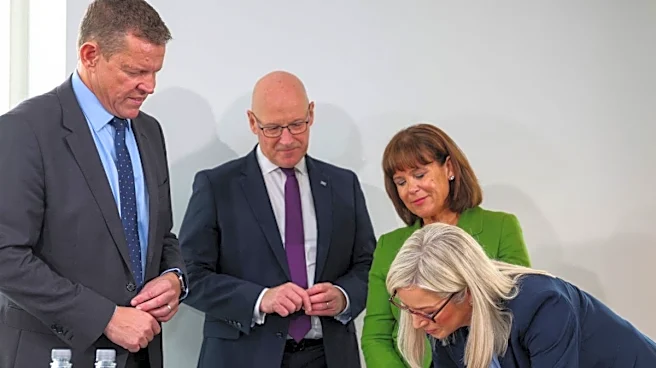
The United Kingdom’s constitutional future has returned to the spotlight after the leaders of Scotland, Wales and Northern Ireland signed a joint agreement backing their nations’ right to self-determination and arguing that their futures should be decided outside Westminster.
The memorandum of understanding was signed on September 14 by leaders of the Scottish National Party (SNP), Plaid Cymru and Sinn Féin. The parties said their nations had the right to determine their own futures and declared that those futures lay within the European Union.
“For people watching across these islands, for people watching around the world, there could be no clearer sign that Westminster’s time is coming to an end,” the leaders said in the agreement.
The pact does not trigger independence referendums or alter the constitutional status of any of the three nations. Instead, it represents a political declaration in favour of self-determination and greater cooperation between nationalist and pro-Irish-unification movements.
The agreement brings together leaders whose parties support major constitutional changes, but their ambitions and timelines differ considerably.
In Scotland, the SNP wants another independence referendum after voters rejected independence in 2014 by 55% to 45%. SNP leader John Swinney has argued that support for independence has grown since Brexit and that Scotland should be given another opportunity to vote.
Plaid Cymru supports Welsh independence, although it is not seeking an immediate referendum. Its leader Rhun ap Iorwerth has said the party's focus is on building support for independence over the longer term.
In Northern Ireland, Sinn Féin supports a referendum on reunification with the Republic of Ireland. Under the 1998 Good Friday Agreement, such a vote can be called if the UK government believes it is likely to result in a majority backing Irish unification.
The leaders said: “Our nations have the right to self-determination. No Westminster government has the right to block democracy or undermine the principle that our people will decide their own future.”
Also read: India calls Pakistan’s Masood Azhar bounty hike a ‘phony announcement’
The agreement itself cannot break up the United Kingdom.
Any move towards independence or reunification would require separate political and legal processes in Scotland, Wales and Northern Ireland. The memorandum has no direct legal force and does not compel the UK government to hold any referendum.
Nicola McEwen, director of the University of Glasgow Center for Public Policy, said the summit was symbolically important but did not have legal significance.
“I don’t see the threat to the union being bigger today than it was yesterday,” McEwen told ABC News.
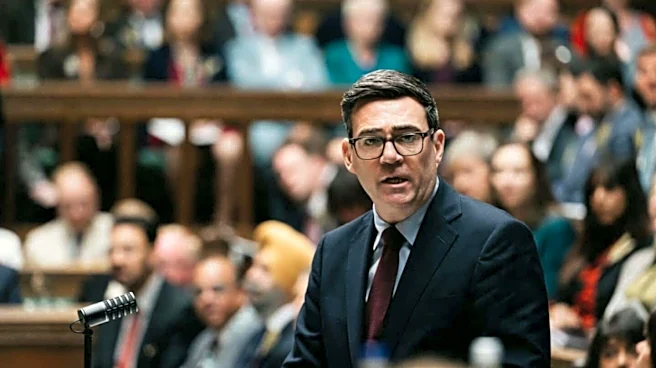
The UK government has also rejected the prospect of immediate independence votes. Prime Minister Andy Burnham has said he believes “strongly in the Union”, while his government has indicated that another Scottish independence referendum remains “off limits”, despite previous references to a vote if there were a “clear consensus”.
The pact is nevertheless politically significant because, for the first time, the three nations have leaders from parties committed to either independence or Irish reunification.
Also read: Iran's foreign minister Araghchi to visit China on September 16
The declaration comes amid renewed debate over the future of the UK and follows comments by US President Donald Trump that he would “love to see” a reunified Ireland.
It also marks closer cooperation between nationalist movements that have traditionally pursued separate constitutional objectives.
Northern Ireland’s Deputy First Minister Emma Little-Pengelly, of the pro-UK Democratic Unionist Party, criticised the agreement and accused Sinn Féin leader Michelle O’Neill of “weaponizing” her position.
O’Neill defended her participation, saying: “I am first minister in the north of Ireland. This is about historic change happening all around us.”
For now, the United Kingdom remains constitutionally intact and the new agreement does not set a timetable for its dissolution. But by putting Scottish independence, Welsh self-determination and Irish reunification into the same political conversation, the pact has brought a long-running question back to the centre of British politics: how long can the Union survive if its constituent nations increasingly want the right to choose their own futures?
The memorandum of understanding was signed on September 14 by leaders of the Scottish National Party (SNP), Plaid Cymru and Sinn Féin. The parties said their nations had the right to determine their own futures and declared that those futures lay within the European Union.
“For people watching across these islands, for people watching around the world, there could be no clearer sign that Westminster’s time is coming to an end,” the leaders said in the agreement.
The pact does not trigger independence referendums or alter the constitutional status of any of the three nations. Instead, it represents a political declaration in favour of self-determination and greater cooperation between nationalist and pro-Irish-unification movements.
Three nations, three different paths
The agreement brings together leaders whose parties support major constitutional changes, but their ambitions and timelines differ considerably.
In Scotland, the SNP wants another independence referendum after voters rejected independence in 2014 by 55% to 45%. SNP leader John Swinney has argued that support for independence has grown since Brexit and that Scotland should be given another opportunity to vote.
Plaid Cymru supports Welsh independence, although it is not seeking an immediate referendum. Its leader Rhun ap Iorwerth has said the party's focus is on building support for independence over the longer term.
In Northern Ireland, Sinn Féin supports a referendum on reunification with the Republic of Ireland. Under the 1998 Good Friday Agreement, such a vote can be called if the UK government believes it is likely to result in a majority backing Irish unification.
The leaders said: “Our nations have the right to self-determination. No Westminster government has the right to block democracy or undermine the principle that our people will decide their own future.”
Also read: India calls Pakistan’s Masood Azhar bounty hike a ‘phony announcement’
So, could the UK actually break up?
The agreement itself cannot break up the United Kingdom.
Any move towards independence or reunification would require separate political and legal processes in Scotland, Wales and Northern Ireland. The memorandum has no direct legal force and does not compel the UK government to hold any referendum.
Nicola McEwen, director of the University of Glasgow Center for Public Policy, said the summit was symbolically important but did not have legal significance.
“I don’t see the threat to the union being bigger today than it was yesterday,” McEwen told ABC News.
The UK government has also rejected the prospect of immediate independence votes. Prime Minister Andy Burnham has said he believes “strongly in the Union”, while his government has indicated that another Scottish independence referendum remains “off limits”, despite previous references to a vote if there were a “clear consensus”.
The pact is nevertheless politically significant because, for the first time, the three nations have leaders from parties committed to either independence or Irish reunification.
Also read: Iran's foreign minister Araghchi to visit China on September 16
Why the agreement matters now
The declaration comes amid renewed debate over the future of the UK and follows comments by US President Donald Trump that he would “love to see” a reunified Ireland.
It also marks closer cooperation between nationalist movements that have traditionally pursued separate constitutional objectives.
Northern Ireland’s Deputy First Minister Emma Little-Pengelly, of the pro-UK Democratic Unionist Party, criticised the agreement and accused Sinn Féin leader Michelle O’Neill of “weaponizing” her position.
O’Neill defended her participation, saying: “I am first minister in the north of Ireland. This is about historic change happening all around us.”
For now, the United Kingdom remains constitutionally intact and the new agreement does not set a timetable for its dissolution. But by putting Scottish independence, Welsh self-determination and Irish reunification into the same political conversation, the pact has brought a long-running question back to the centre of British politics: how long can the Union survive if its constituent nations increasingly want the right to choose their own futures?

/images/ppid_59c68470-image-17894500271839418.webp)