/images/ppid_59c68470-image-177606007555165829.webp)


/images/ppid_a911dc6a-image-177606790685682187.webp)
/images/ppid_59c68470-image-177600510203099913.webp)
What is the story about?
In the 45 days since the US and Israel launched their unilateral war on Iran, President Donald Trump has repeatedly shifted his stance on one of the world’s most critical maritime routes; the Strait of Hormuz. Over the past few weeks, he has changed goalposts from military threats and calls for global support to asking other countries to take responsibility before ending with a naval blockade order.
Calls for global military backing
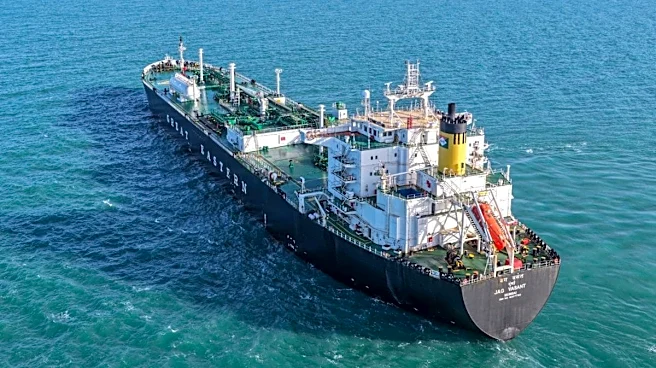
The Strait of Hormuz, a narrow passage through which nearly 20% of the world’s oil supply transits, became central to the crisis after Iran effectively shut it down. In response, Trump urged multiple countries to step in militarily and secure the route.
“Hopefully China, France, Japan, South Korea, the UK and others that are affected by this artificial constraint will send ships to the area so that the Hormuz Strait will no longer be a threat,” he had said.
But several countries declined to participate in what they said wasn’t their war to fight. The UK later made it clear that “it is not our war.” Following this, Trump also criticised NATO.
“I am not surprised by their actions… I always considered NATO to be a one-way street - We will protect them, but they will do nothing for us,” he said.
He added that NATO countries were supportive of the US-Israeli campaign but unwilling to take part. “I think NATO is making a very foolish mistake. Everyone agrees with us, but they don't want to help… we think it's pretty shocking,” he said.
Trump also told Reuters that he was ‘absolutely’ considering withdrawing the US from NATO after allies refused to join the campaign.
Shifts burden to other nations
Soon after, Trump’s position shifted again as he said countries dependent on oil passing through the Strait of Hormuz should take the lead in protecting it.
“The United States imports almost no oil through the Hormuz Strait… We don’t need it. The countries of the world that do receive oil through the Hormuz Strait must take care of that passage. They must cherish it. They must grab it and cherish it,” he had told reporters during a briefing.
He added that while the US would remain helpful, others should lead efforts. “They can do it easily. We will be helpful, but they should take the lead in protecting the oil that they so desperately depend on,” he said.
Suggests joint control with Iran
On March 23, Trump indicated a possible shift towards cooperation by suggesting that the Strait could be jointly controlled if talks with Tehran progressed.
“It'll be jointly controlled. Me and the Ayatollah, whoever the Ayatollah is,” he said and added that the route would be “open very soon” if negotiations were successful.
Returns to threats
The softer tone didn’t last long, as Trump soon returned to issuing strong warnings by threatening major military action if Iran did not meet his demands.
He said he would order an attack “the likes of which there is nothing like it,” and referred to a potential operation as “Power Plant Day and Bridges Day, all in one,” indicating possible strategic targets.
In one of his most aggressive remarks, he directly addressed Iranian authorities, saying: “Open the f*****g strait, you crazy bastards, or you're going to live in hell. Wait and see.”
He also warned shortly before a self-imposed deadline that “a whole civilization will die” if the situation was not resolved.
Ceasefire that wasn’t
Despite these warnings, the US did not carry out the threatened strikes and instead agreed to a two-week ceasefire with Iran later that day. But the pause remained as uncertain as Trump’s remarks as tensions resurfaced in the region after Israel launched attacks on Lebanon. This prompted Iran to warn that the Strait of Hormuz was closed again.
Orders naval blockade after failed talks
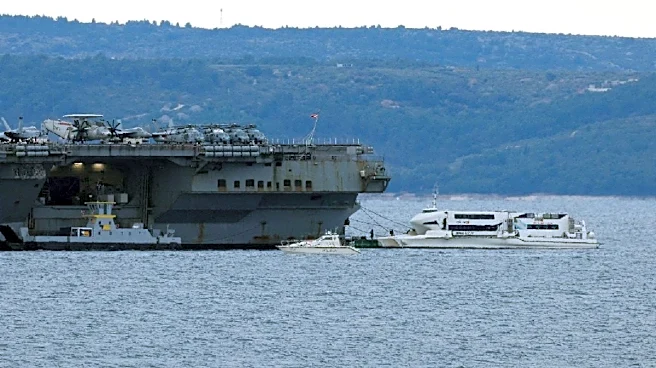
Following the breakdown of peace talks between US and Iran in Islamabad, Trump has now announced a sweeping naval operation targeting the strait.
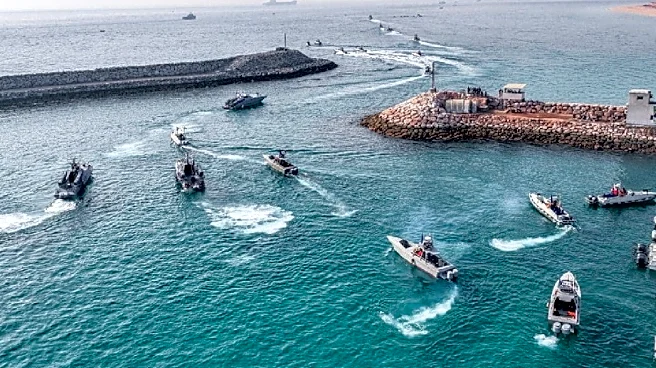
“Effective immediately, the United States Navy… will begin the process of BLOCKADING any and all ships trying to enter, or leave, the Strait of Hormuz,” he said in a social media post.
US Central Command later said American forces would begin implementing the blockade against “all maritime traffic entering and exiting Iranian ports” starting Monday.
Trump also said the move was aimed at vessels paying what he described as illegal tolls to Iran.
Calls for global military backing
The Strait of Hormuz, a narrow passage through which nearly 20% of the world’s oil supply transits, became central to the crisis after Iran effectively shut it down. In response, Trump urged multiple countries to step in militarily and secure the route.
“Hopefully China, France, Japan, South Korea, the UK and others that are affected by this artificial constraint will send ships to the area so that the Hormuz Strait will no longer be a threat,” he had said.
But several countries declined to participate in what they said wasn’t their war to fight. The UK later made it clear that “it is not our war.” Following this, Trump also criticised NATO.
“I am not surprised by their actions… I always considered NATO to be a one-way street - We will protect them, but they will do nothing for us,” he said.
He added that NATO countries were supportive of the US-Israeli campaign but unwilling to take part. “I think NATO is making a very foolish mistake. Everyone agrees with us, but they don't want to help… we think it's pretty shocking,” he said.
Trump also told Reuters that he was ‘absolutely’ considering withdrawing the US from NATO after allies refused to join the campaign.
Shifts burden to other nations
Soon after, Trump’s position shifted again as he said countries dependent on oil passing through the Strait of Hormuz should take the lead in protecting it.
“The United States imports almost no oil through the Hormuz Strait… We don’t need it. The countries of the world that do receive oil through the Hormuz Strait must take care of that passage. They must cherish it. They must grab it and cherish it,” he had told reporters during a briefing.
He added that while the US would remain helpful, others should lead efforts. “They can do it easily. We will be helpful, but they should take the lead in protecting the oil that they so desperately depend on,” he said.
Suggests joint control with Iran
On March 23, Trump indicated a possible shift towards cooperation by suggesting that the Strait could be jointly controlled if talks with Tehran progressed.
“It'll be jointly controlled. Me and the Ayatollah, whoever the Ayatollah is,” he said and added that the route would be “open very soon” if negotiations were successful.
Returns to threats
The softer tone didn’t last long, as Trump soon returned to issuing strong warnings by threatening major military action if Iran did not meet his demands.
He said he would order an attack “the likes of which there is nothing like it,” and referred to a potential operation as “Power Plant Day and Bridges Day, all in one,” indicating possible strategic targets.
In one of his most aggressive remarks, he directly addressed Iranian authorities, saying: “Open the f*****g strait, you crazy bastards, or you're going to live in hell. Wait and see.”
He also warned shortly before a self-imposed deadline that “a whole civilization will die” if the situation was not resolved.
Ceasefire that wasn’t
Despite these warnings, the US did not carry out the threatened strikes and instead agreed to a two-week ceasefire with Iran later that day. But the pause remained as uncertain as Trump’s remarks as tensions resurfaced in the region after Israel launched attacks on Lebanon. This prompted Iran to warn that the Strait of Hormuz was closed again.
Orders naval blockade after failed talks
Following the breakdown of peace talks between US and Iran in Islamabad, Trump has now announced a sweeping naval operation targeting the strait.
“Effective immediately, the United States Navy… will begin the process of BLOCKADING any and all ships trying to enter, or leave, the Strait of Hormuz,” he said in a social media post.
US Central Command later said American forces would begin implementing the blockade against “all maritime traffic entering and exiting Iranian ports” starting Monday.
Trump also said the move was aimed at vessels paying what he described as illegal tolls to Iran.


/images/ppid_a911dc6a-image-177621863516613488.webp)