/images/ppid_59c68470-image-179199505587225296.webp)

/images/ppid_59c68470-image-179194509828218679.webp)
What is the story about?
India’s National Security Adviser Ajit Doval raised concerns over the safety of Indian seafarers and tankers during a phone call with Iran’s Secretary of the Supreme National Security Council, Mohsen Rezaei, on October 12, the Ministry of External Affairs (MEA) said on October 14.
The two officials discussed bilateral ties, regional issues and international developments, MEA spokesperson Randhir Jaiswal said at a press briefing. Doval also raised the safety and security of Indian sailors and tankers, he added.
The conversation comes amid a series of attacks on commercial vessels in the Strait of Hormuz, a key global shipping route, and the Black Sea. Between October 1 and 11, at least four vessels carrying Indian seafarers were attacked in the Strait of Hormuz, while three others came under attack in the Black Sea.
On October 11, two Indian seafarers went missing after a drone struck the Nicaragua-flagged tanker MT Petro Dolphin in the Strait of Hormuz. The vessel had 11 crew members on board.
On the same day, the Marshall Islands-flagged tanker MT Valthera was hit by an unidentified projectile, triggering a fire. All 11 Indian seafarers on board were reported safe.
The Indian embassy in Muscat is coordinating with Omani authorities and the ship management companies to help rescue the missing sailors, the MEA said.
Earlier, on October 6, the Panama-flagged commercial vessel MT On Peace was struck by a projectile off the coast of Oman while passing through the Strait of Hormuz. Of its 19 crew members, 17 were Indian nationals. Twelve crew members were injured, including 11 Indians. The injured sailors were evacuated and were receiving medical treatment in Khasab, Oman, the MEA said.
India is one of the world's largest suppliers of seafarers, with one in every eight sailors globally being Indian. This has left a significant number of Indian nationals exposed to the growing conflict in West Asia and the Black Sea.
The Shipping Secretary has confirmed that 11 Indian seafarers have been killed in the Persian Gulf since February 28, while several others have been injured. More than 4,000 Indian nationals have been brought home from the Strait of Hormuz over the same period, according to the ministry.
India has also been pushing for greater protection of sailors and commercial ships at international forums, including the BRICS summit and the United Nations General Assembly. On the sidelines of the UNGA, India and Liberia launched the Group of Friends on Safety and Security of Shipping and Seafarers to promote international cooperation on protecting sailors and vessels.
India and Canada push to finalise trade deal
India and Canada are stepping up engagement across trade, investment, energy and defence, with both countries working towards a Comprehensive Economic Partnership Agreement (CEPA), the MEA said.
India is hosting a nearly 300-member Canadian business delegation led by International Trade Minister Maninder Sidhu. It is the largest Canadian trade delegation to visit India in 30 years.
The delegation, in India from October 12 to 17, includes companies from aerospace and space, clean technology, energy transition, information and communication technology, life sciences and agri-food. The visit also includes stops in Mumbai and Bengaluru.
Canadian Foreign Minister Anita Anand arrived in New Delhi on October 13. On October 14, she met External Affairs Minister S Jaishankar and Prime Minister Narendra Modi.
Anand said the two countries were making progress on trade negotiations and expanding cooperation in energy, innovation and security. She also highlighted opportunities for closer economic and strategic ties amid changes in the international order.
During her meeting with Modi, Anand discussed trade, investment and security. She said the renewed engagement between the two countries was aimed at turning shared priorities into long-term opportunities.
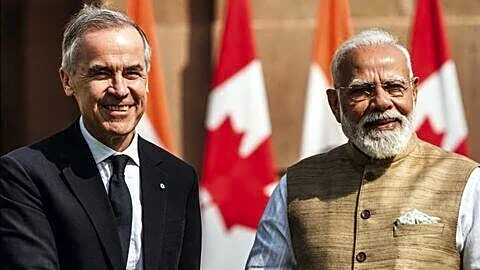
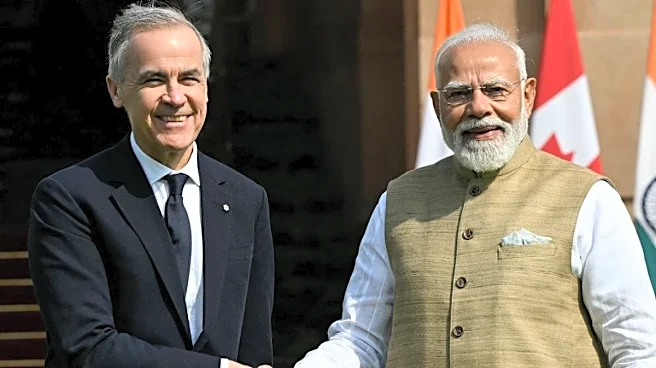
Modi also spoke with Canadian Prime Minister Mark Carney on October 13. The two leaders welcomed increased engagement over the past year and reaffirmed their commitment to concluding CEPA negotiations at the earliest opportunity.
The proposed agreement is expected to support efforts to double bilateral trade by 2030. Modi is expected to visit Canada in December for the signing of the agreement.
Bangladesh home minister skips first BIMSTEC security meeting
India hosted the first meeting of BIMSTEC home ministers on October 13, chaired by Union Home Minister Amit Shah. The meeting concluded with the adoption of the Delhi Declaration, which commits the grouping's seven members to closer cooperation on regional security.
The declaration focuses on tackling terrorism, drug trafficking, human trafficking, cybercrime and money laundering. It also calls for greater information-sharing, joint training and the implementation of existing regional agreements. Members will also work towards progress on agreements covering extradition and the transfer of convicted prisoners.
All seven BIMSTEC members participated in the meeting, but Bangladesh Home Minister Salahuddin Ahmed did not attend. Dhaka was instead represented by Home Affairs Senior Secretary Manzur Morshed Chowdhury.
MEA spokesperson Jaiswal said India expected the inaugural meeting to strengthen security cooperation among the member countries.
Ahmed's absence marks the second time a senior Bangladeshi leader has skipped a multilateral meeting in India under the government led by Tarique Rahman.
In September, Rahman skipped the outreach session of the BRICS summit in New Delhi, despite India inviting Bangladesh in its capacity as BIMSTEC chair.
India has also invited Rahman for a bilateral visit following his election. Bangladesh, however, has said a favourable environment must be created for the visit, linking the issue to the extradition of former Prime Minister Sheikh Hasina.
The two officials discussed bilateral ties, regional issues and international developments, MEA spokesperson Randhir Jaiswal said at a press briefing. Doval also raised the safety and security of Indian sailors and tankers, he added.
The conversation comes amid a series of attacks on commercial vessels in the Strait of Hormuz, a key global shipping route, and the Black Sea. Between October 1 and 11, at least four vessels carrying Indian seafarers were attacked in the Strait of Hormuz, while three others came under attack in the Black Sea.
On October 11, two Indian seafarers went missing after a drone struck the Nicaragua-flagged tanker MT Petro Dolphin in the Strait of Hormuz. The vessel had 11 crew members on board.
On the same day, the Marshall Islands-flagged tanker MT Valthera was hit by an unidentified projectile, triggering a fire. All 11 Indian seafarers on board were reported safe.
The Indian embassy in Muscat is coordinating with Omani authorities and the ship management companies to help rescue the missing sailors, the MEA said.
Earlier, on October 6, the Panama-flagged commercial vessel MT On Peace was struck by a projectile off the coast of Oman while passing through the Strait of Hormuz. Of its 19 crew members, 17 were Indian nationals. Twelve crew members were injured, including 11 Indians. The injured sailors were evacuated and were receiving medical treatment in Khasab, Oman, the MEA said.
India is one of the world's largest suppliers of seafarers, with one in every eight sailors globally being Indian. This has left a significant number of Indian nationals exposed to the growing conflict in West Asia and the Black Sea.
The Shipping Secretary has confirmed that 11 Indian seafarers have been killed in the Persian Gulf since February 28, while several others have been injured. More than 4,000 Indian nationals have been brought home from the Strait of Hormuz over the same period, according to the ministry.
India has also been pushing for greater protection of sailors and commercial ships at international forums, including the BRICS summit and the United Nations General Assembly. On the sidelines of the UNGA, India and Liberia launched the Group of Friends on Safety and Security of Shipping and Seafarers to promote international cooperation on protecting sailors and vessels.
India and Canada push to finalise trade deal
India and Canada are stepping up engagement across trade, investment, energy and defence, with both countries working towards a Comprehensive Economic Partnership Agreement (CEPA), the MEA said.
India is hosting a nearly 300-member Canadian business delegation led by International Trade Minister Maninder Sidhu. It is the largest Canadian trade delegation to visit India in 30 years.
The delegation, in India from October 12 to 17, includes companies from aerospace and space, clean technology, energy transition, information and communication technology, life sciences and agri-food. The visit also includes stops in Mumbai and Bengaluru.
Canadian Foreign Minister Anita Anand arrived in New Delhi on October 13. On October 14, she met External Affairs Minister S Jaishankar and Prime Minister Narendra Modi.
Anand said the two countries were making progress on trade negotiations and expanding cooperation in energy, innovation and security. She also highlighted opportunities for closer economic and strategic ties amid changes in the international order.
During her meeting with Modi, Anand discussed trade, investment and security. She said the renewed engagement between the two countries was aimed at turning shared priorities into long-term opportunities.
Modi also spoke with Canadian Prime Minister Mark Carney on October 13. The two leaders welcomed increased engagement over the past year and reaffirmed their commitment to concluding CEPA negotiations at the earliest opportunity.
The proposed agreement is expected to support efforts to double bilateral trade by 2030. Modi is expected to visit Canada in December for the signing of the agreement.
Bangladesh home minister skips first BIMSTEC security meeting
India hosted the first meeting of BIMSTEC home ministers on October 13, chaired by Union Home Minister Amit Shah. The meeting concluded with the adoption of the Delhi Declaration, which commits the grouping's seven members to closer cooperation on regional security.
The declaration focuses on tackling terrorism, drug trafficking, human trafficking, cybercrime and money laundering. It also calls for greater information-sharing, joint training and the implementation of existing regional agreements. Members will also work towards progress on agreements covering extradition and the transfer of convicted prisoners.
All seven BIMSTEC members participated in the meeting, but Bangladesh Home Minister Salahuddin Ahmed did not attend. Dhaka was instead represented by Home Affairs Senior Secretary Manzur Morshed Chowdhury.
MEA spokesperson Jaiswal said India expected the inaugural meeting to strengthen security cooperation among the member countries.
Ahmed's absence marks the second time a senior Bangladeshi leader has skipped a multilateral meeting in India under the government led by Tarique Rahman.
In September, Rahman skipped the outreach session of the BRICS summit in New Delhi, despite India inviting Bangladesh in its capacity as BIMSTEC chair.
India has also invited Rahman for a bilateral visit following his election. Bangladesh, however, has said a favourable environment must be created for the visit, linking the issue to the extradition of former Prime Minister Sheikh Hasina.



/images/ppid_59c68470-image-179207758206264481.webp)
/images/ppid_59c68470-image-179199509354211818.webp)