/images/ppid_59c68470-image-178887763301525968.webp)

What is the story about?
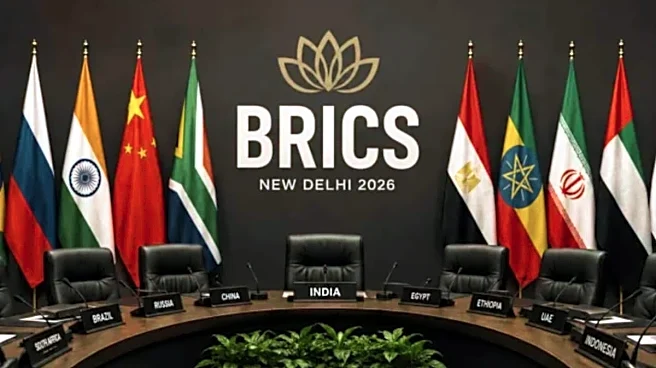
Prime Minister Narendra Modi and Russian President Vladimir Putin are set for a bilateral meet in New Delhi around the 18th BRICS Summit on September 12-13, as India and Russia seek to build on a longstanding strategic partnership spanning defence, energy, trade, nuclear cooperation, space and other areas. Modi said after meeting Putin in Bishkek on August 31 that he looked forward to welcoming the Russian president to India for the BRICS Summit.
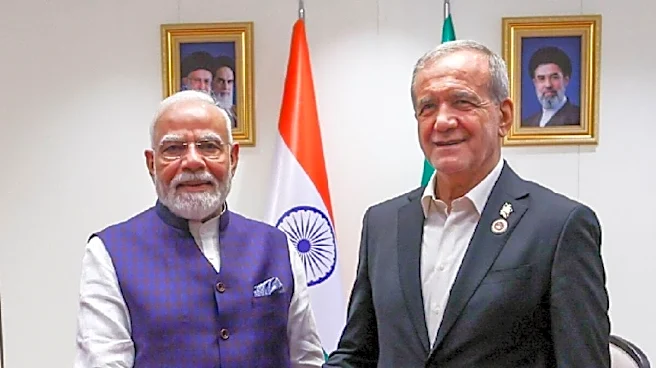
The two leaders last met on August 31 on the sidelines of the Shanghai Cooperation Organisation (SCO) summit in Kyrgyz capital Bishkek. The meeting was their first of 2026, according to the Indian government. They reviewed bilateral cooperation in political, economic, defence, energy, space, mobility and people-to-people ties, and discussed India-Russia engagement in BRICS under India's 2026 chairmanship.
The leaders also exchanged views on regional and global issues, including the conflicts in West Asia and the Black Sea region. The Indian government said the conflicts had affected maritime trade and the safety and security of Indian seafarers. Modi reiterated India's position that dialogue and diplomacy were the way forward in resolving conflicts.
Trade is likely to remain an important part of the broader India-Russia relationship. Bilateral trade reached $68.7 billion in 2024-25 before declining to $59.863 billion in 2025-26, according to the Ministry of External Affairs. The government has set a target of $100 billion in bilateral trade by 2030.
The trade relationship is heavily weighted towards Indian imports from Russia. In 2025-26, India's exports to Russia stood at $4.494 billion, while imports were $55.369 billion, according to the MEA's July 2026 bilateral brief. The major items imported by India include crude oil and petroleum products, fertilisers, coking coal and sunflower oil, while Indian exports include pharmaceuticals, chemicals, iron and steel, and marine products.
The two countries have identified several areas that need attention to help expand trade, including tariff and non-tariff barriers, logistical bottlenecks, connectivity, payment mechanisms, and insurance and reinsurance issues. They are also working on a proposed free trade agreement between India and the Eurasian Economic Union.
The 27th session of the India-Russia Inter-Governmental Commission on Trade, Economic, Scientific, Technological and Cultural Cooperation was held in Moscow on August 24. Modi and Putin welcomed its outcome when they met in Bishkek on August 31.
Defence remains a major component of the relationship. The two countries have been seeking to move beyond a traditional buyer-seller relationship towards greater joint research, development and production. The 2025 India-Russia Annual Summit statement said the two sides would work towards the joint manufacture of spare parts, components and other products in India for Russian-origin equipment, as well as the joint development and production of military equipment.
Energy is another major pillar. The India-Russia relationship covers cooperation in oil and gas as well as nuclear energy. The two countries are continuing cooperation on the Kudankulam nuclear power project, including work on the remaining units and the supply of equipment and nuclear fuel.
India and Russia established their Strategic Partnership in October 2000. During Putin's visit to India in December 2010, the relationship was elevated to a "Special and Privileged Strategic Partnership". The MEA describes the annual summit between the Indian prime minister and Russian president as the highest institutionalised dialogue mechanism in the bilateral relationship.
Putin's most recent state visit to India was on December 4-5, 2025, for the 23rd India-Russia Annual Summit. The summit's joint statement said the relationship spans political and strategic affairs, military and security cooperation, trade and investment, energy, science and technology, nuclear and space cooperation, as well as cultural, educational and humanitarian ties.
The 2025 summit also produced 21 announcements, including 16 memorandums of understanding and agreements covering areas such as mobility, fertilisers, health, food safety, maritime cooperation, customs, commerce, education and media, according to the MEA's bilateral brief.
Any Modi-Putin talks around the BRICS Summit would come shortly after their August 31 meeting in Bishkek, where the two leaders agreed to remain engaged to further strengthen the Special and Privileged Strategic Partnership. The Indian government has described the relationship as resilient despite geopolitical uncertainties.
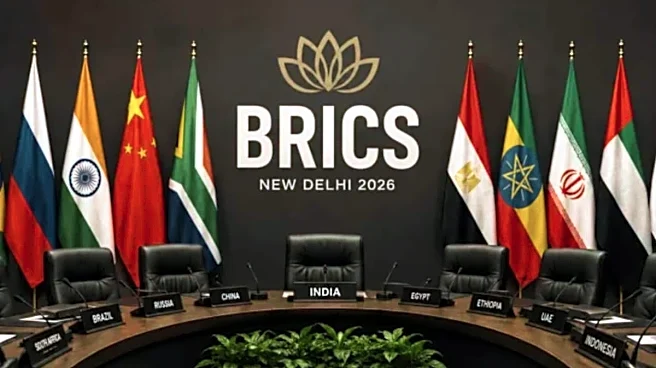
The immediate backdrop is also India's 2026 BRICS chairship. At their Bishkek meeting, Modi and Putin discussed India-Russia engagement in BRICS, while the two sides have separately identified trade, economic cooperation and other areas of bilateral engagement as priorities.
The two leaders last met on August 31 on the sidelines of the Shanghai Cooperation Organisation (SCO) summit in Kyrgyz capital Bishkek. The meeting was their first of 2026, according to the Indian government. They reviewed bilateral cooperation in political, economic, defence, energy, space, mobility and people-to-people ties, and discussed India-Russia engagement in BRICS under India's 2026 chairmanship.
The leaders also exchanged views on regional and global issues, including the conflicts in West Asia and the Black Sea region. The Indian government said the conflicts had affected maritime trade and the safety and security of Indian seafarers. Modi reiterated India's position that dialogue and diplomacy were the way forward in resolving conflicts.
Trade and payments
Trade is likely to remain an important part of the broader India-Russia relationship. Bilateral trade reached $68.7 billion in 2024-25 before declining to $59.863 billion in 2025-26, according to the Ministry of External Affairs. The government has set a target of $100 billion in bilateral trade by 2030.
The trade relationship is heavily weighted towards Indian imports from Russia. In 2025-26, India's exports to Russia stood at $4.494 billion, while imports were $55.369 billion, according to the MEA's July 2026 bilateral brief. The major items imported by India include crude oil and petroleum products, fertilisers, coking coal and sunflower oil, while Indian exports include pharmaceuticals, chemicals, iron and steel, and marine products.
The two countries have identified several areas that need attention to help expand trade, including tariff and non-tariff barriers, logistical bottlenecks, connectivity, payment mechanisms, and insurance and reinsurance issues. They are also working on a proposed free trade agreement between India and the Eurasian Economic Union.
The 27th session of the India-Russia Inter-Governmental Commission on Trade, Economic, Scientific, Technological and Cultural Cooperation was held in Moscow on August 24. Modi and Putin welcomed its outcome when they met in Bishkek on August 31.
Defence and energy
Defence remains a major component of the relationship. The two countries have been seeking to move beyond a traditional buyer-seller relationship towards greater joint research, development and production. The 2025 India-Russia Annual Summit statement said the two sides would work towards the joint manufacture of spare parts, components and other products in India for Russian-origin equipment, as well as the joint development and production of military equipment.
Energy is another major pillar. The India-Russia relationship covers cooperation in oil and gas as well as nuclear energy. The two countries are continuing cooperation on the Kudankulam nuclear power project, including work on the remaining units and the supply of equipment and nuclear fuel.
A relationship with a long institutional history
India and Russia established their Strategic Partnership in October 2000. During Putin's visit to India in December 2010, the relationship was elevated to a "Special and Privileged Strategic Partnership". The MEA describes the annual summit between the Indian prime minister and Russian president as the highest institutionalised dialogue mechanism in the bilateral relationship.
Putin's most recent state visit to India was on December 4-5, 2025, for the 23rd India-Russia Annual Summit. The summit's joint statement said the relationship spans political and strategic affairs, military and security cooperation, trade and investment, energy, science and technology, nuclear and space cooperation, as well as cultural, educational and humanitarian ties.
The 2025 summit also produced 21 announcements, including 16 memorandums of understanding and agreements covering areas such as mobility, fertilisers, health, food safety, maritime cooperation, customs, commerce, education and media, according to the MEA's bilateral brief.
What to watch for
Any Modi-Putin talks around the BRICS Summit would come shortly after their August 31 meeting in Bishkek, where the two leaders agreed to remain engaged to further strengthen the Special and Privileged Strategic Partnership. The Indian government has described the relationship as resilient despite geopolitical uncertainties.
The immediate backdrop is also India's 2026 BRICS chairship. At their Bishkek meeting, Modi and Putin discussed India-Russia engagement in BRICS, while the two sides have separately identified trade, economic cooperation and other areas of bilateral engagement as priorities.
/images/ppid_59c68470-image-178887503063364324.webp)
/images/ppid_59c68470-image-178886752915915227.webp)
/images/ppid_59c68470-image-178886256514393115.webp)

/images/ppid_59c68470-image-178887755886038417.webp)
/images/ppid_59c68470-image-17887475609955937.webp)

/images/ppid_59c68470-image-178877253322953873.webp)