/images/ppid_59c68470-image-178792753348623798.webp)


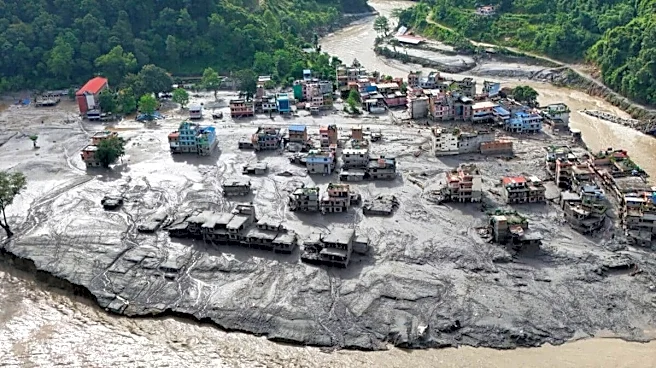
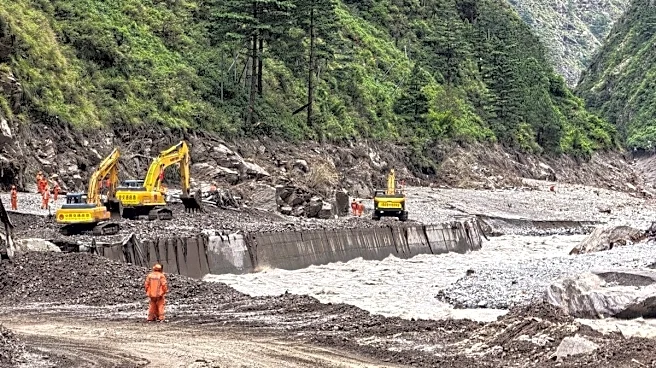
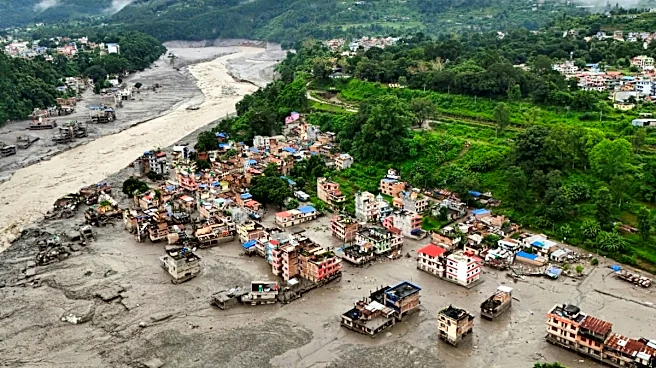
China is covering up the scale of the impact of flash floods in Tibet’s Kyirong County, where the disaster struck before surging downstream into Nepal, by keeping a tight rein on information from the region, the International Campaign for Tibet (ICT) has alleged.
The group has raised concerns over whether local Tibetans are receiving necessary aid, particularly as the threat of further flooding looms.
Tibetan spiritual leader the Dalai Lama offered prayers and condolences to those affected as the death
toll in Nepal climbed to 469. Chinese officials have said three people died in Tibet.
Information about the situation in Tibet remains sparse compared with the videos and accounts emerging from Nepal, which have dominated social media and news coverage around the world.
The Chinese government has not updated the number of casualties in Tibet since August 26. Footage and updates showing the aftermath of the devastation posted on Chinese social media are also being rapidly deleted, according to ICT Executive Director Ryan Fioresi.
Fioresi told BBC’s Asia Specific that ICT had been in contact with sources on the ground who said the situation was far worse than officially reported. While Chinese state media have confirmed only three deaths, those sources believe the actual toll is much higher, he said.
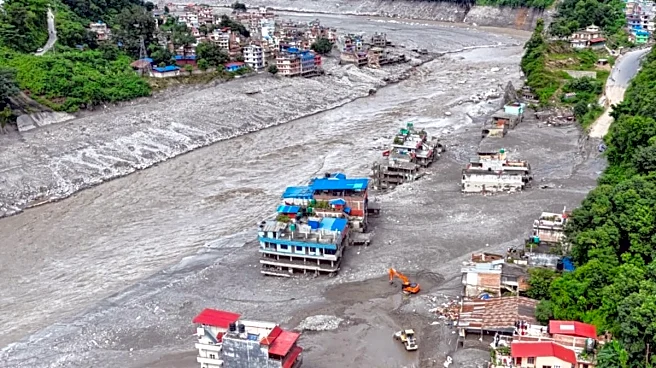
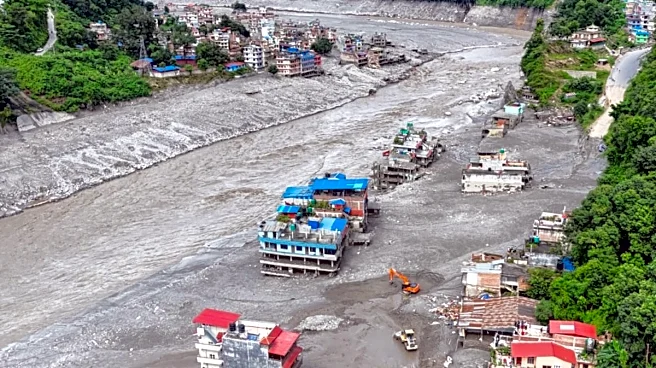
According to Fioresi, the floods caused numerous casualties and completely destroyed shops, restaurants and tea houses near the border.
He also cited a source at the disaster site as saying Chinese authorities had relocated local residents, barred people from entering the flooded area and prevented on-the-ground information from being released.
One video captured by a surveillance camera at the Kyirong port showed at least two dozen people trying to flee as a massive torrent of muddy water engulfed the area. The video is no longer available on Chinese social media platforms, according to The New York Times.
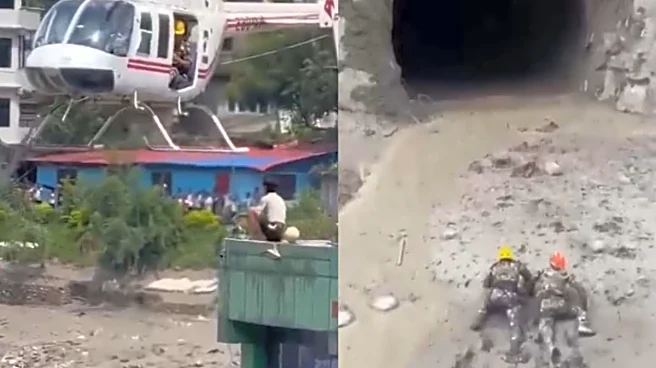
Little else is known about the well-being of the roughly 5,000 to 6,000 Tibetans living in the area, even as Chinese President Xi Jinping called for swift rescue operations and Premier Li Qiang visited the disaster site.
In Dharamshala in northern India, home to the Dalai Lama and the Tibetan government-in-exile, around 2,000 Tibetans gathered for a special prayer meeting.
Casualty transparency a persistent concern
Chinese state media have highlighted rescue and relief operations on the ground, and Fioresi acknowledged that Beijing’s disaster response has improved over the years.
Even so, ICT’s concerns stem from what it says is Beijing’s record of restricting relief efforts in disaster-hit Tibetan areas. The most recent example cited by the group was the Dingri earthquake in January 2025.
Fioresi said authorities had restricted grassroots relief efforts by Tibetans through checkpoints and vehicle permits, harassed local communities and blocked international rescue teams and assistance. ICT is concerned that a similar pattern may now be unfolding in Kyirong County, he said.
Dalai Lama calls for underlying cause to be addressed
The Dalai Lama also urged authorities to examine the underlying causes of the disaster.
He said the region had witnessed similar calamities in the past and that they could be symptoms of deeper problems, including climate change or other factors. He called for appropriate follow-up measures to help prevent similar disasters from recurring.
Tempa Gyaltsen Zamlha, a Tibet environment researcher and Joint Secretary at the Department of Information and International Relations of the Central Tibetan Administration, said China’s extensive dam and construction activity in Tibet should also serve as a warning, even if the current floods cannot be directly linked to such projects.
He told CNBC-TV18 that large-scale construction in the Himalayas could heighten the risk of natural disasters for Tibet as well as downstream countries.
China has built at least 193 hydropower dams in Tibet since 2000, according to ICT. Its most ambitious project yet — set to become the world’s largest hydropower project — is under development on the Yarlung Tsangpo river in Tibet.


/images/ppid_59c68470-image-178791253661980644.webp)

/images/ppid_59c68470-image-178790752923351718.webp)