


What is the story about?
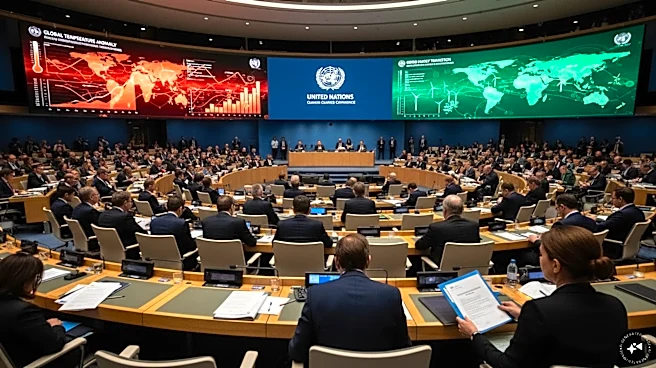
Climate adaptation will be one of the major issues under discussion at the 31st Conference of Parties (COP31) to be held in Turkiye this month. Representatives from over 190 countries will aim to create consensus on matters such as climate finance, emissions reductions and adaptation.
COP31 is being held against the backdrop of catastrophic natural disasters such as floods, droughts and heatwaves.
As the world faces a powerful El Nino that is expected to intensify climate impacts, the concept of adaptation will be increasingly under the spotlight.
What is climate adaptation?
Climate adaptation means implementing measures to prepare for, and adjust to, the current and future effects of climate change. As global warming results in more frequent and intense extreme weather events, putting adaptation measures in place can reduce vulnerability to disasters among individuals and communities.
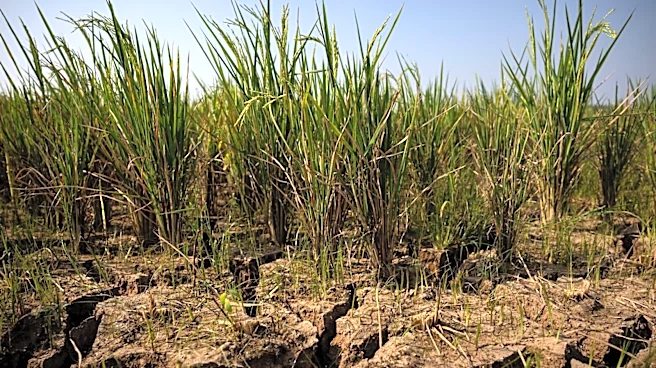
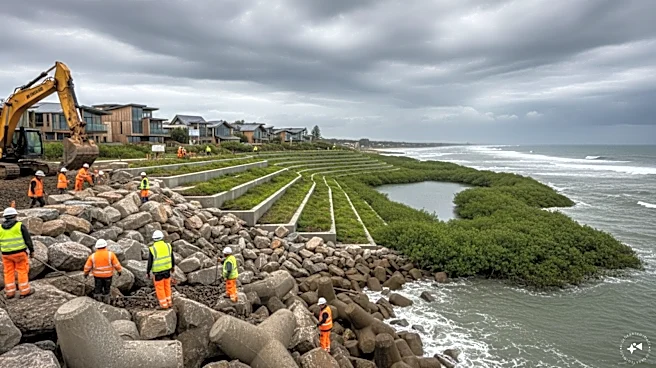
Adaptation can include initiatives such as setting up early warning systems for cyclones, building flood defences, growing drought-resistant crops and redesigning communication systems. These measures can be implemented at multiple levels to increase resilience to disasters.
Adaptation is one of the main policy responses to climate change, alongside mitigation. The Paris Agreement of 2015 stressed the importance of supporting adaptation and increasing resilience to climate change.
Why does the world need adaptation now?
Without significant climate action, average global temperatures may rise 2.5 to 2.9°C above pre-industrial levels this century, overshooting the safety limits established by scientists.
Every incremental degree of increase in global warming will lead to more frequent and intense impacts of climate change. This means adaptation will become harder and more expensive.
Developing countries remain particularly vulnerable to events like weather extremes, a rise in sea levels, biodiversity loss or food and water insecurity. The increased risk is due to a combination of factors such as lack of access to adequate finance, increased dependence on natural resources and geographical and climatic conditions.
More investment in adaptation will be a key challenge for nations going ahead. Adaptation finance needs of developing countries are projected to be 10 to 18 times larger than the amount currently available from public sources, as per the UN Emissions Gap report.
As global warming continues to remain a problem, COP31 can serve as a forum to bring about consensus on adaptation.