



What is the story about?
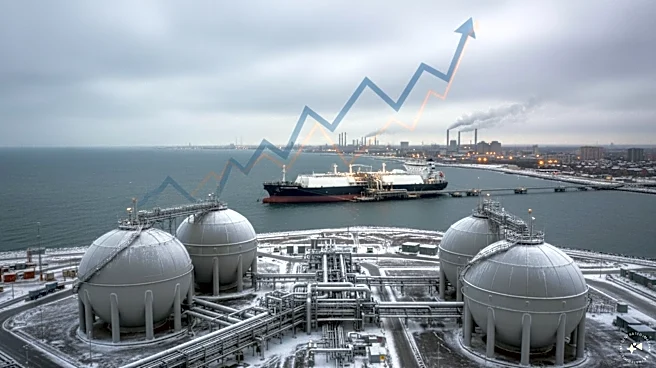
European natural gas prices surged through 100 euros a megawatt-hour for the first time since the 2022 energy crisis, reviving fears of another damaging price shock as the region headed into its peak demand season.
Low stockpiles, colder weather and the risk of a wider Iran war pushed prices higher, squeezing households, businesses and governments.
Also Read: 'Nobody heard us' – why Gen Z are leading protests across Europe
Benchmark futures jumped more than 5% to their highest level since December 2022, a threshold last seen after Russia invaded Ukraine. Traders also reacted to a Wall Street Journal report, which said that the United States had told several West Asian countries to prepare for a short, intense military campaign after the midterm elections.
Prices have more than tripled since before the Iran war, wiping out years of progress in bringing Europe’s energy costs under control. Supply disruptions linked to the conflict have already added more than 100 billion euros to the region’s fossil-fuel import bill.
Qatar, a top supplier of liquefied natural gas (LNG), extended force majeure, a clause that excuses it from meeting contracts, on deliveries to Italy’s Edison SpA and some Asian buyers through the end of the year.
Inventories remained unusually low for the time of year, so Europe had to outbid rival buyers for spot cargoes.
The impact extended beyond gas, as rising oil, diesel and electricity prices added to energy inflation. This further triggered cost-of-living protests in parts of the region and put pressure on manufacturers.
The European Union (EU) urged member states to consider measures to reduce energy demand, but options for immediate relief remained limited.
The EU moved to delay new methane-emissions rules that could have restricted gas imports, though the move was unlikely to bring down prices in the near term. A full ban on Russian liquefied natural gas remained scheduled to take effect in January, while some parties called on the bloc to reconsider the measure to ease energy costs.
Oil prices fell on Thursday as Brent crude slipped towards $114 a barrel, and US West Texas Intermediate dropped 0.8% to $101.99, as traders weighed fresh diplomatic efforts in West Asia to avert renewed US strikes on Iran.