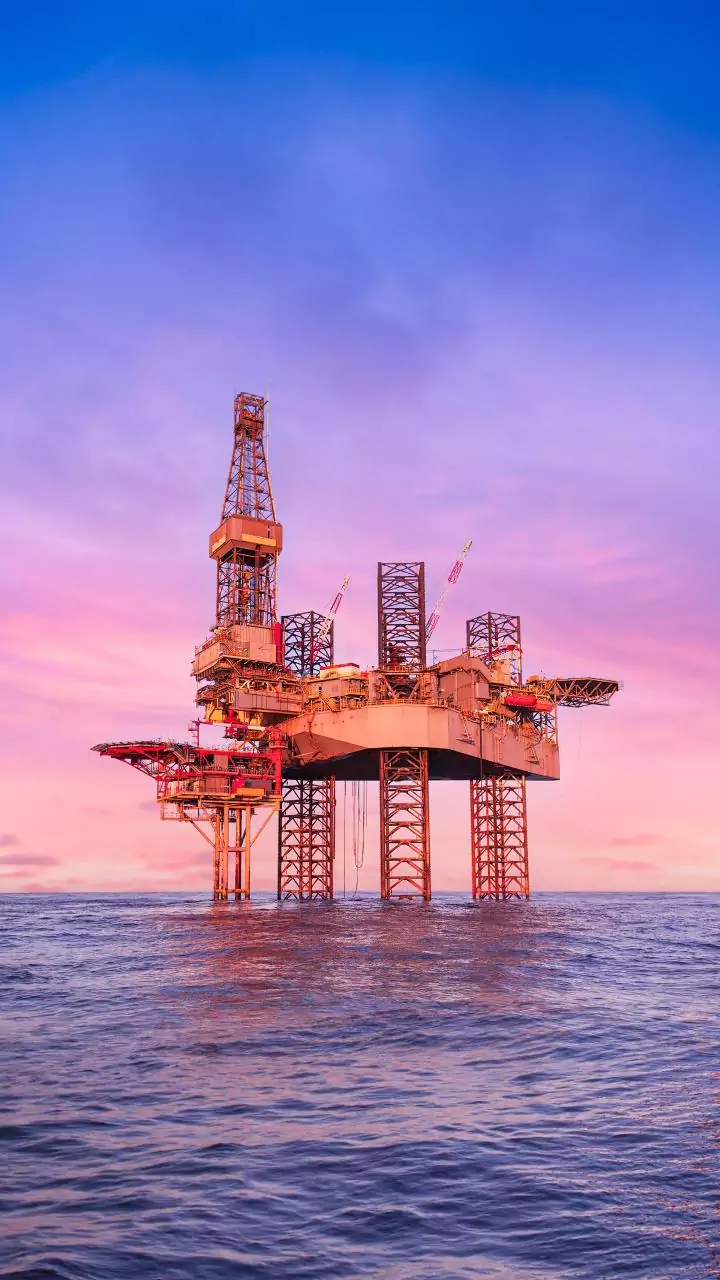








Betul (Goa), Jan 27 (PTI) Global oil production would decline by around 8 per cent annually - equivalent combined annual output of Brazil and Norway - over the next decade if investment in existing oil and gas
production were to stop today, Oil Minister Hardeep Singh Puri said on Tuesday, underscoring the continued importance of conventional energy even as clean energy scales up.
Speaking at the inaugural ceremony of India Energy Week 2026, Puri said that while renewable energy has expanded rapidly and now accounts for nearly one-third of global electricity generation, the global energy transition cannot be built on replacement alone.
"The history of energy has never been about replacement alone. It has always been about addition," he said, adding that energy transition, energy security and system resilience must advance together to meet rising global demand.
Stating that over the past decade, renewables have grown rapidly, he said the share of clean energy in global electricity generation has increased from around one-fifth to nearly one-third, supported by falling costs and policy momentum.
"Yet conventional energy continues to play a critical role," he said. "If investment in existing oil and gas production were to stop today, global oil output would decline by around 8 per cent annually over the next decade, equivalent to losing more than the combined annual production of Brazil and Norway each year."
He said new sources have consistently complemented existing ones, allowing systems to expand and adapt. This remains the defining reality of the global energy transition.
"These trends underline a clear truth. While renewable and alternative energy sources are expanding at pace, conventional energy will remain essential to meet growing demand," he said. "Energy transition, energy security, and system resilience must advance together, and energy addition has emerged as a practical pathway to balance these priorities."
Puri said the pressure on the global energy system has intensified in the last one year, and the energy order continues to evolve in complex ways.
Nearly 80 per cent of incremental global energy demand came from emerging and developing economies, with close to 60 per cent originating in Developing Asia. As these regions grow and gain wider access to mobility, cooling, and digital services, energy demand will rise further, both in scale and complexity, he said.
Stating that globally around 730 million people still live without access to electricity, and nearly 2 billion continue to rely on cooking methods that are harmful to human health and well-being, he said the situation highlights the need for ensuring universal, affordable, and clean energy access remains a central development and equity challenge for the global community.
"Despite prolonged global volatility, India has shielded its citizens from sharp price shocks. While fuel prices rose significantly in many major economies after 2021, prices in Delhi in 2025 remained lower than in 2021.
For over 100 million PMUY beneficiaries, LPG prices have been maintained at around USD 5.5 -6 per cylinder, among the lowest globally," he said.
As the world's third-largest energy consumer and one of the fastest-growing major economies, India stands at the centre of this transformation, Puri said. By 2050, India's share of global energy demand is projected to rise by 30-35 per cent, reaching around 10 per cent of total global demand, even as per capita consumption remains at about 40 per cent of the global average.
"The Government of India is enabling this growth by building capacity, improving market conditions, and supporting the full energy mix," he said, citing recent reforms in the sector.
He highlighted the passage of the Oilfields (Regulation and Development) Amendment Act, 2025, which provides for single petroleum leases for all forms of hydrocarbons, time-bound approvals, and long-term lease stability.
At the same time, India remains firmly committed to clean energy. It has achieved nearly 20 per cent ethanol blending in 2025, resulting in foreign exchange savings of around USD 19.3 billion and direct payments exceeding USD 15 billion to farmers over the past decade. India also remains on track to meet its compressed biogas targets, reflecting rapid progress in bioenergy.
Stating that shipbuilding represents another powerful growth avenue in India, he said there is an immediate requirement for around 60 vessels in the oil and gas trade, presenting a near term investment opportunity of around USD 5 billion.
"India's reforms, investments, and programmes reflect a clear commitment - to build an energy system that supports growth, strengthens the economy, and improves the lives of our citizens. As the global energy landscape continues to evolve, the choices we make today will shape resilience, prosperity, and sustainability for decades to come," he added. PTI ANZ DR
DR