








Lucknow, Jan 9 (PTI) Union Heavy Industries Minister H D Kumaraswamy on Friday said electric mobility lies at the core of India's commitment to achieving net-zero emissions by 2070 and is a key pillar
of the country's transition towards clean, sustainable and self-reliant transportation.
Addressing the inauguration of Ashok Leyland's electric vehicle (EV) manufacturing plant in Lucknow, Kumaraswamy said that, under the leadership of Prime Minister Narendra Modi, India has adopted a clear, ambitious roadmap for climate action.
"Electric mobility is central to India's goal of achieving net-zero emissions by 2070, as it significantly reduces dependence on fossil fuels, cuts carbon emissions from the transport sector and forms a key pillar of the country's transition towards clean, sustainable and self-reliant mobility," Kumaraswamy said, adding that his ministry has also taken several measures in line with this target.
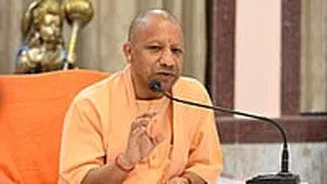
The inaugural event of Ashok Leyland's first manufacturing facility in Lucknow was attended by Defence Minister Rajnath Singh, Uttar Pradesh Chief Minister Yogi Adityanath, and senior representatives of Ashok Leyland and the Hinduja Group.
Kumaraswamy said electric mobility also opens up new opportunities for Indian industries, innovators and the youth, while strengthening the vision of an "Aatmanirbhar Bharat", especially in advanced manufacturing sectors that will shape India's future.
He said the government, through the Ministry of Heavy Industries, has taken several steps to accelerate the adoption of electric vehicles.
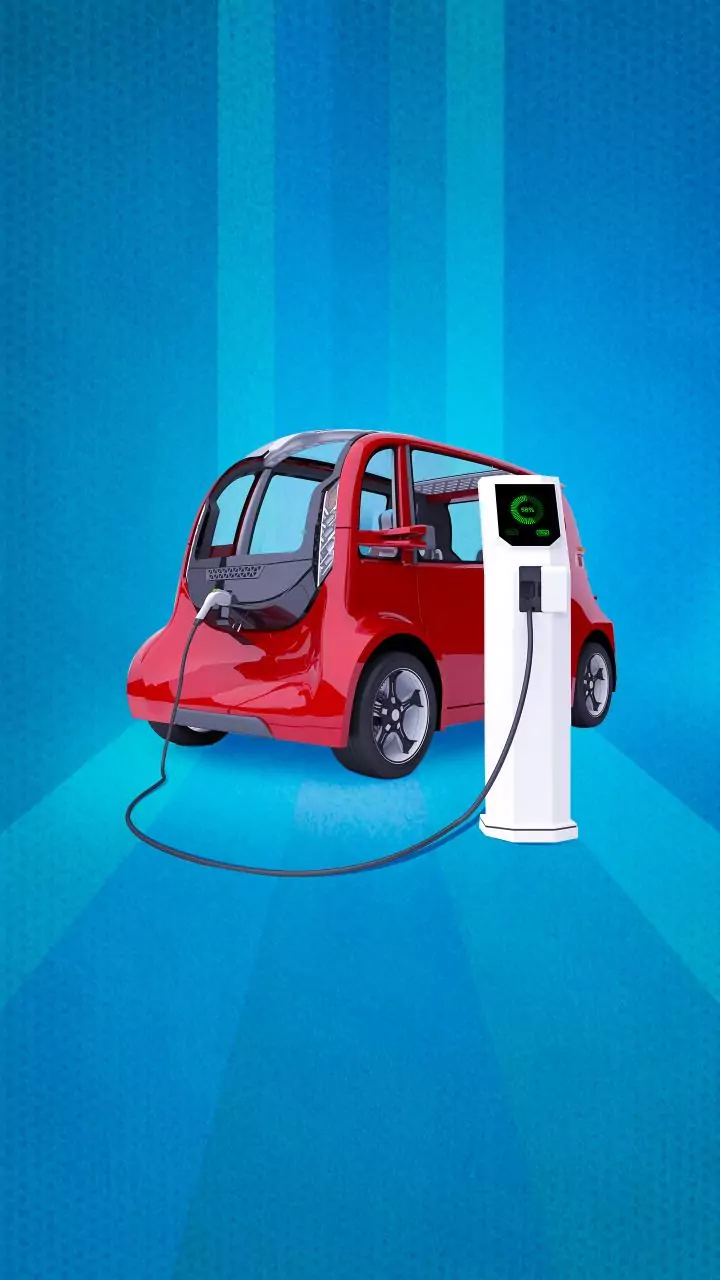
The Faster Adoption and Manufacturing of Electric Vehicles (FAME-II) scheme, with an outlay of Rs 11,500 crore, has supported over 16.71 lakh electric vehicles and sanctioned more than 9,000 public EV charging stations across the country.
Building on this progress, the Prime Minister's Electric Drive Revolution in Innovative Vehicle Enhancement (PM e-Drive) scheme, with an outlay of around Rs 10,900 crore, is further promoting EV adoption through demand incentives, expanding charging infrastructure, deploying electric buses, and supporting e-ambulances.
More than 20 lakh electric vehicles have been sold under the scheme so far, he said.
The minister noted that electric mobility is equally important for strengthening domestic manufacturing. He said the Production Linked Incentive (PLI) scheme for the automobile sector, with an outlay of Rs 25,958 crore, mandates domestic value addition, while the PLI Advanced Chemistry Cell (ACC) scheme, with an outlay of Rs 18,100 crore, aims to create 15 gigawatt hours of advanced battery manufacturing capacity in India, a crucial step towards long-term energy security.
Kumaraswamy said the Centre is promoting policies that encourage the manufacturing of critical components for electric vehicles, wind turbines, defence applications and electronics.
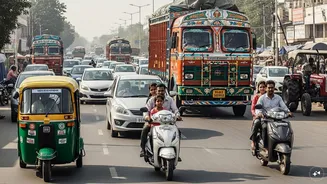
Highlighting that commercial vehicles account for over 40 per cent of transport-related pollution, he said that the electrification of this segment is especially crucial. To address this, the Ministry of Heavy Industries has earmarked Rs 2,000 crore under the PM e-Drive scheme to set up more than 70,000 EV charging stations across the country.
Congratulating Ashok Leyland, Kumaraswamy said the company completed the Lucknow facility in a record 18 months and noted that the plant will focus on manufacturing electric buses.
He also commended the company for taking bold steps towards localisation and building a self-reliant battery supply chain. PTI KIS DRR