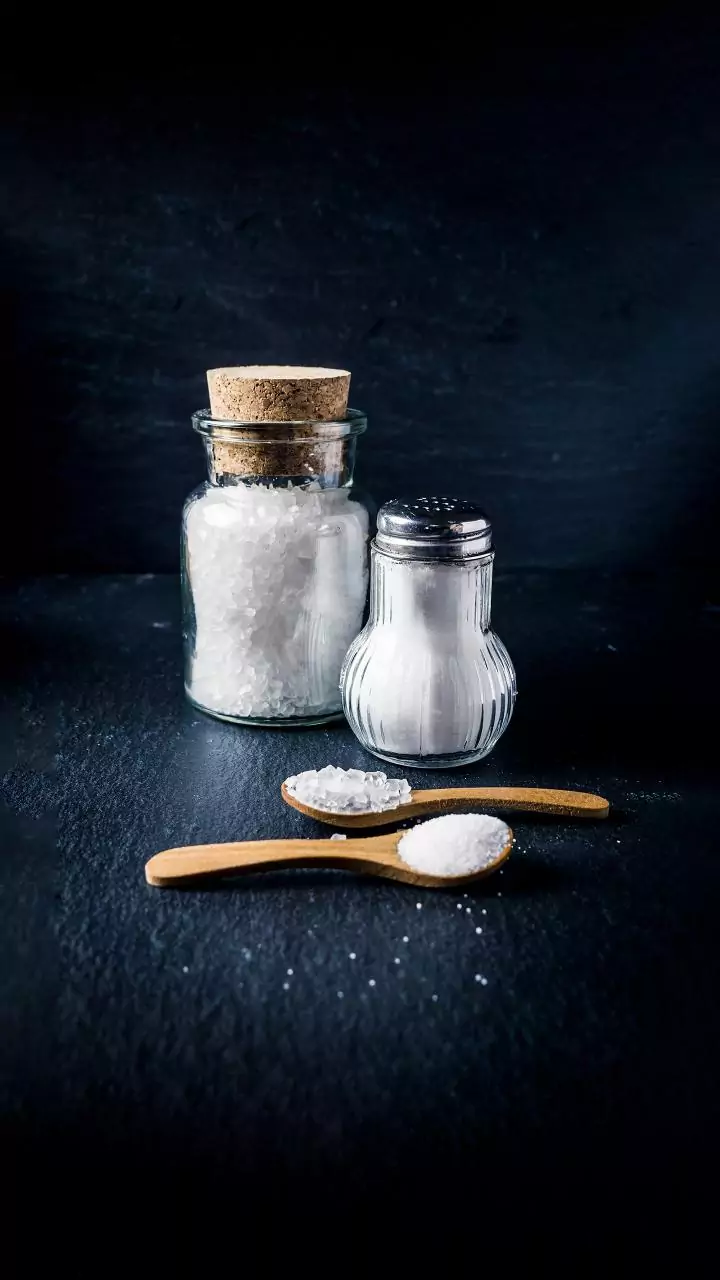

New Delhi, Feb 3 (PTI) The Indian Council of Medical Research has found that excessive salt consumption is contributing to the growing burden of hypertension and cardiovascular diseases in the country,
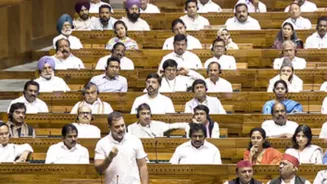
Union Health Minister J P Nadda told the Rajya Sabha on Tuesday.
The government, through the Food Safety and Standards Authority of India (FSSAI), is implementing the Eat Right India movement to promote healthy eating practices and awareness about the harmful effects of excessive salt consumption, he said responding to a question.
Under this movement, key activities include mass media and social media campaigns such as "Aaj Se Thoda Kam" to encourage gradual reduction in salt, sugar and fat intake in daily diet and development and dissemination of the Eat Right Toolkit for frontline health workers to counsel communities on limiting high fat, sugar and salt (HFSS) foods.
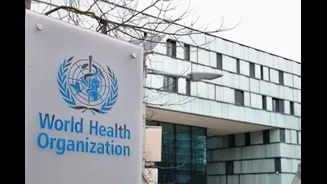
Based on a review of the available evidence on effects and safety, and consideration of additional contextual factors, the WHO has recommended to reduce sodium intake to less than 2 gm per day.
In this context, using less regular table salt is an important part of an overall sodium reduction strategy, Nadda stated.
If choosing to use table salt, the WHO suggests replacing regular table salt with lower-sodium substitutes that contain potassium (conditional recommendation).
This recommendation is intended for adults (not pregnant women or children) in general populations, excluding individuals with kidney impairments or with other circumstances or conditions that might compromise potassium excretion, the minister said. PTI PLB DV
DV